
Vor Memmo waren meine Notizen überall in PDFs verstreut. Jetzt sammelt ein Arbeitsbereich alles an einem Ort – ich sehe genau, was noch zu lernen ist.
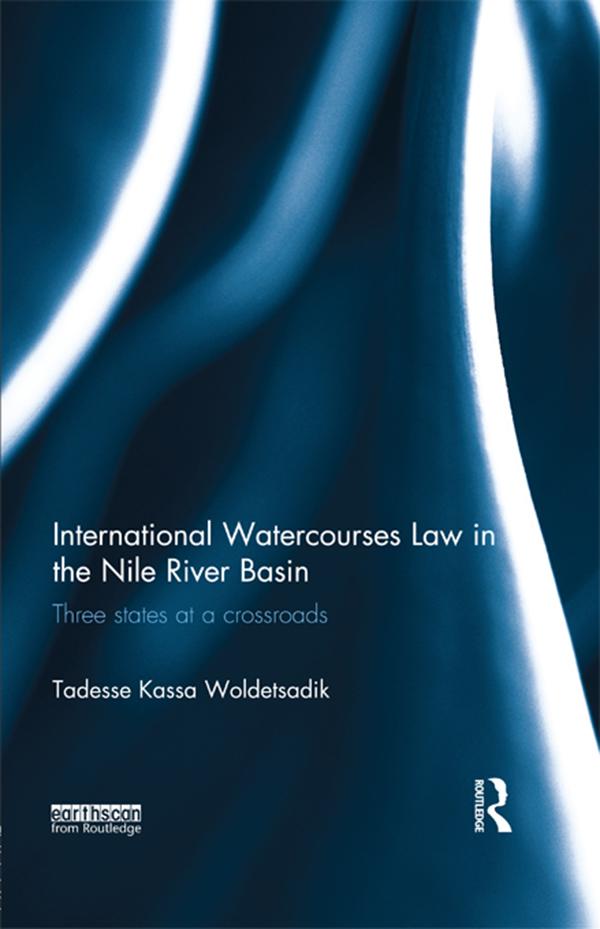
The Nile River and its basin extend over a distinctive geophysical cord connecting eleven sovereign states from Egypt to Tanzania, which are home to an estimated population of 422.2 million people. The Nile is an essential source of water for domestic, industrial and agricultural uses throughout the basin, yet for more than a century it has been at the centre of continuous and conflicting claims and counter-claims to rights of utilization of the resource.
In this book the author examines the multifaceted legal regulation of the Nile. He re-constructs the legal and historical origin and functioning of the British Nile policies in Ethiopia by examining the composition of the Anglo-Ethiopian Treaty of 1902, and analyses its ramifications on contemporary riparian discourse involving Ethiopia and Sudan. The book also reflects on two fairly established legal idioms - the natural and historical rights expressions – which constitute central pillars of the claims of downstream rights in the Nile basin; the origin, essence and legal authority of the notions has been assessed on the basis of the normative dictates of contemporary international watercourses law. Likewise, the book examines the non-treaty based claims of rights of the basin states to the Nile waters, setting out what the equitable uses principle entails as a means of reconciling competing riparian interests, and most importantly, how its functioning affects contemporary legal settings.
The author then presents the concentrated diplomatic movements of the basin states in negotiations on the Transitional Institutional Mechanism of the Nile Basin Initiative (NBI) - pursued since the 1990’s, and explains why the substance of water use rights still continued to be perceived diversely among basin states. Finally, the specific legal impediments that held back progress in negotiations on the Nile Basin Cooperative Framework are presented in context.
Vor Memmo waren meine Notizen überall in PDFs verstreut. Jetzt sammelt ein Arbeitsbereich alles an einem Ort – ich sehe genau, was noch zu lernen ist.
Memmos Zusammenfassungen sind Gold wert vor Prüfungen. Ich muss nicht zwei Wochen vorher 800 Seiten neu lesen – nur die wichtigsten Teile.
Der KI-Chat hat mich schon mehr als einmal am Abend vor einer Prüfung gerettet. Ich frage einfach so lange, bis ich es kapiere – ohne auf eine Antwort in einer Lerngruppe warten zu müssen.
Die Quizzes treffen genau das, was ich wissen muss. Memmo merkt sich, wo ich Schwierigkeiten habe – so übe ich nur das, was sich lohnt.
Lernkarten mit Spaced Repetition sind Magie. Memmo weiß, wann ich etwas vergessen könnte und zeigt es mir wieder.
Die KI-Podcasts sind mein Favorit. Ich höre sie auf dem Weg zur Uni und bekomme eine Wiederholung, ohne am Computer sitzen zu müssen.

Handbok i kvalitativa metoder
281 kr

Hållbar utveckling: en introduktion för ingenjörer och andra problemlösare
334 kr

Brymans Samhällsvetenskapliga metoder
390 kr

Projektledning
491 kr

Den orättvisa hälsan: om socioekonomiska skillnader i hälsa och livslängd
326 kr

Organizational Leadership
429 kr

Vetenskapsteori för nybörjare
196 kr

På väg mot läraryrket
172 kr

Det sociala livet i skolan: Socialpsykologiska perspektiv
253 kr

Betygsättningens didaktik
151 kr

Personality
402 kr

Studying Leadership
404 kr

Managing Innovation
477 kr

Introduktion till samhällsvetenskaplig metod
347 kr

The Psychology of Sex and Gender
698 kr

Introduction to Leadership
605 kr

Evidens och kunskap för socialt arbete
207 kr