
Vor Memmo waren meine Notizen überall in PDFs verstreut. Jetzt sammelt ein Arbeitsbereich alles an einem Ort – ich sehe genau, was noch zu lernen ist.
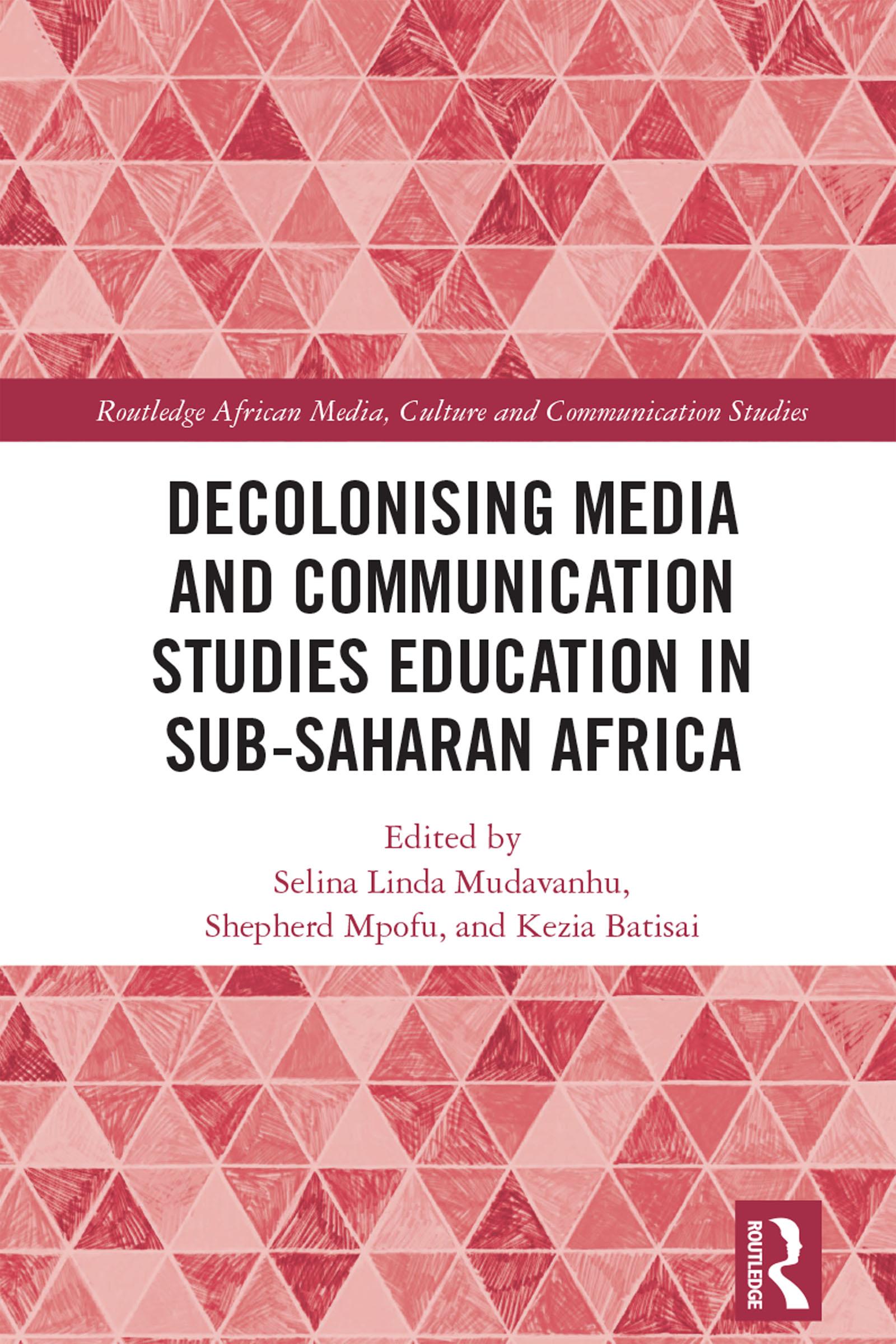
The book provides insights on decolonising media and communication studies education from diverse African scholars at different stages of their careers. These academics, located on the continent and in the diaspora, share an interest in decolonising higher education broadly and media and communication studies teaching and learning in particular.
Although many African countries gained flag independence from different European colonial powers between the 1950s and the 1970s, this book argues that former colonies remain ensnared in a colonial power matrix. Many African universities did not jettison ways of teaching and learning established during colonialism, and even those journalism, communication, and media studies training programmes which were established after the attainment of flag independence did not place decolonial agendas at the front and centre when setting them up. Starting with big picture thematic questions around decolonisation, the book goes on to consider what the implications of change would be for students and instructors, before reflecting on how far it is possible to decolonise curricula and syllabi and what this might look like in practice across a range of subject areas and country contexts. Overall, this book presents a nuanced picture of what a decolonised media and communication studies education could look like in sub-Saharan Africa.
This book is essential for researchers in Africa in disciplines such as media and communication studies, journalism, film studies, cultural studies, and higher education studies. More broadly, the concepts and ideas on decolonising teaching and learning discussed in the book are relevant to instructors in any discipline who are interested in doing the decolonial work of contesting coloniality.
Vor Memmo waren meine Notizen überall in PDFs verstreut. Jetzt sammelt ein Arbeitsbereich alles an einem Ort – ich sehe genau, was noch zu lernen ist.
Memmos Zusammenfassungen sind Gold wert vor Prüfungen. Ich muss nicht zwei Wochen vorher 800 Seiten neu lesen – nur die wichtigsten Teile.
Der KI-Chat hat mich schon mehr als einmal am Abend vor einer Prüfung gerettet. Ich frage einfach so lange, bis ich es kapiere – ohne auf eine Antwort in einer Lerngruppe warten zu müssen.
Die Quizzes treffen genau das, was ich wissen muss. Memmo merkt sich, wo ich Schwierigkeiten habe – so übe ich nur das, was sich lohnt.
Lernkarten mit Spaced Repetition sind Magie. Memmo weiß, wann ich etwas vergessen könnte und zeigt es mir wieder.
Die KI-Podcasts sind mein Favorit. Ich höre sie auf dem Weg zur Uni und bekomme eine Wiederholung, ohne am Computer sitzen zu müssen.

Handbok i kvalitativa metoder
281 kr

Hållbar utveckling: en introduktion för ingenjörer och andra problemlösare
334 kr

Brymans Samhällsvetenskapliga metoder
390 kr

Projektledning
491 kr

Den orättvisa hälsan: om socioekonomiska skillnader i hälsa och livslängd
326 kr

Organizational Leadership
429 kr

Vetenskapsteori för nybörjare
196 kr

På väg mot läraryrket
172 kr

Det sociala livet i skolan: Socialpsykologiska perspektiv
253 kr

Betygsättningens didaktik
151 kr

Personality
402 kr

Studying Leadership
404 kr

Managing Innovation
477 kr

Introduktion till samhällsvetenskaplig metod
347 kr

The Psychology of Sex and Gender
698 kr

Evidens och kunskap för socialt arbete
207 kr

Introduction to Leadership
605 kr