
Vor Memmo waren meine Notizen überall in PDFs verstreut. Jetzt sammelt ein Arbeitsbereich alles an einem Ort – ich sehe genau, was noch zu lernen ist.
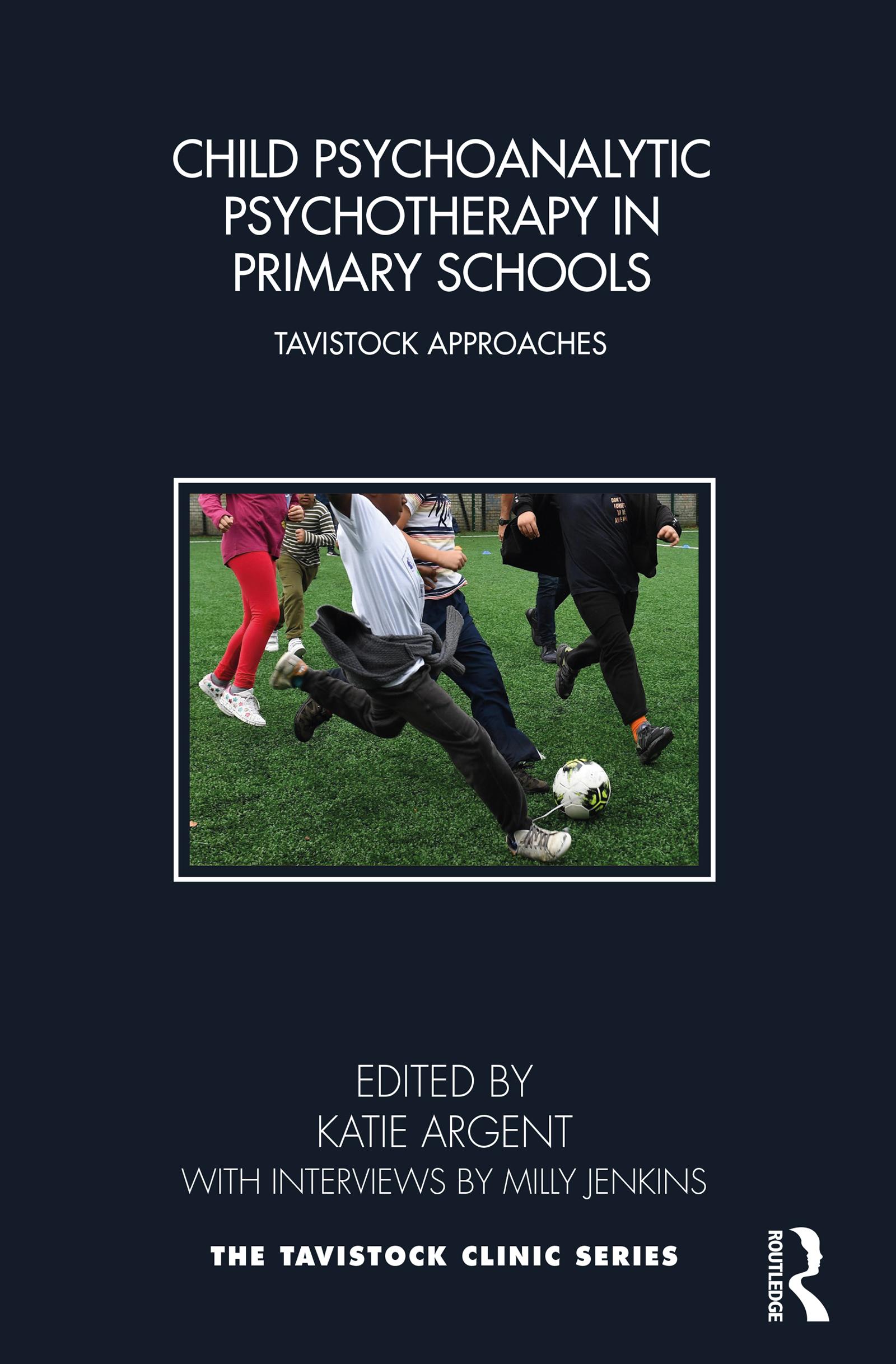
This book investigates the experiences of severely troubled children and their families, teachers, and child psychoanalytic psychotherapists working together in primary schools.
The book begins by looking at children’s emotional life during the primary school years and what can disrupt ordinary, helpful social development and learning. It examines what child psychoanalytic psychotherapy is, how it works, and why it is offered in primary schools. The following chapters intersperse accounts of creative child psychoanalytic approaches with interviews with parents, carers, teachers, and clinicians. A section focusing on mainstream primary schools presents parent–child interventions for a nursery class; child group psychotherapy with children from traumatized families; and consultation to school staff, with personal accounts from parents, a kinship carer, a family support worker, a deputy head, and a child psychotherapist. Chapters then focus on alternative educational settings, featuring a school for children with severe physical and cognitive disabilities; a primary pupil referral unit; and a therapeutic school. These chapters show psychotherapy with a non-verbal boy with autism; therapy groups with children who have missed out on the building blocks of development alongside reflective groups for school staff; and child psychotherapy approaches at lunchtime and in breaks, with insights from a parent, a clinical lead nurse, a head teacher, and a child psychotherapist. Finally, there is an evaluation of evidence about the impact of child psychotherapy within primary schools.
Recognizing the increasing importance of attending to the emotional difficulties of children whose relationships and learning are in jeopardy, this book will be invaluable to all those working in primary schools, to commissioners of child mental health services, to parents and carers, and to experienced and training clinicians.
Vor Memmo waren meine Notizen überall in PDFs verstreut. Jetzt sammelt ein Arbeitsbereich alles an einem Ort – ich sehe genau, was noch zu lernen ist.
Memmos Zusammenfassungen sind Gold wert vor Prüfungen. Ich muss nicht zwei Wochen vorher 800 Seiten neu lesen – nur die wichtigsten Teile.
Der KI-Chat hat mich schon mehr als einmal am Abend vor einer Prüfung gerettet. Ich frage einfach so lange, bis ich es kapiere – ohne auf eine Antwort in einer Lerngruppe warten zu müssen.
Die Quizzes treffen genau das, was ich wissen muss. Memmo merkt sich, wo ich Schwierigkeiten habe – so übe ich nur das, was sich lohnt.
Lernkarten mit Spaced Repetition sind Magie. Memmo weiß, wann ich etwas vergessen könnte und zeigt es mir wieder.
Die KI-Podcasts sind mein Favorit. Ich höre sie auf dem Weg zur Uni und bekomme eine Wiederholung, ohne am Computer sitzen zu müssen.

Handbok i kvalitativa metoder
281 kr

Hållbar utveckling: en introduktion för ingenjörer och andra problemlösare
334 kr

Brymans Samhällsvetenskapliga metoder
390 kr

Projektledning
491 kr

Den orättvisa hälsan: om socioekonomiska skillnader i hälsa och livslängd
326 kr

Organizational Leadership
429 kr

Vetenskapsteori för nybörjare
196 kr

På väg mot läraryrket
172 kr

Det sociala livet i skolan: Socialpsykologiska perspektiv
253 kr

Betygsättningens didaktik
151 kr

Personality
402 kr

Studying Leadership
404 kr

Managing Innovation
477 kr

Introduktion till samhällsvetenskaplig metod
347 kr

The Psychology of Sex and Gender
698 kr

Evidens och kunskap för socialt arbete
207 kr

Introduction to Leadership
605 kr