
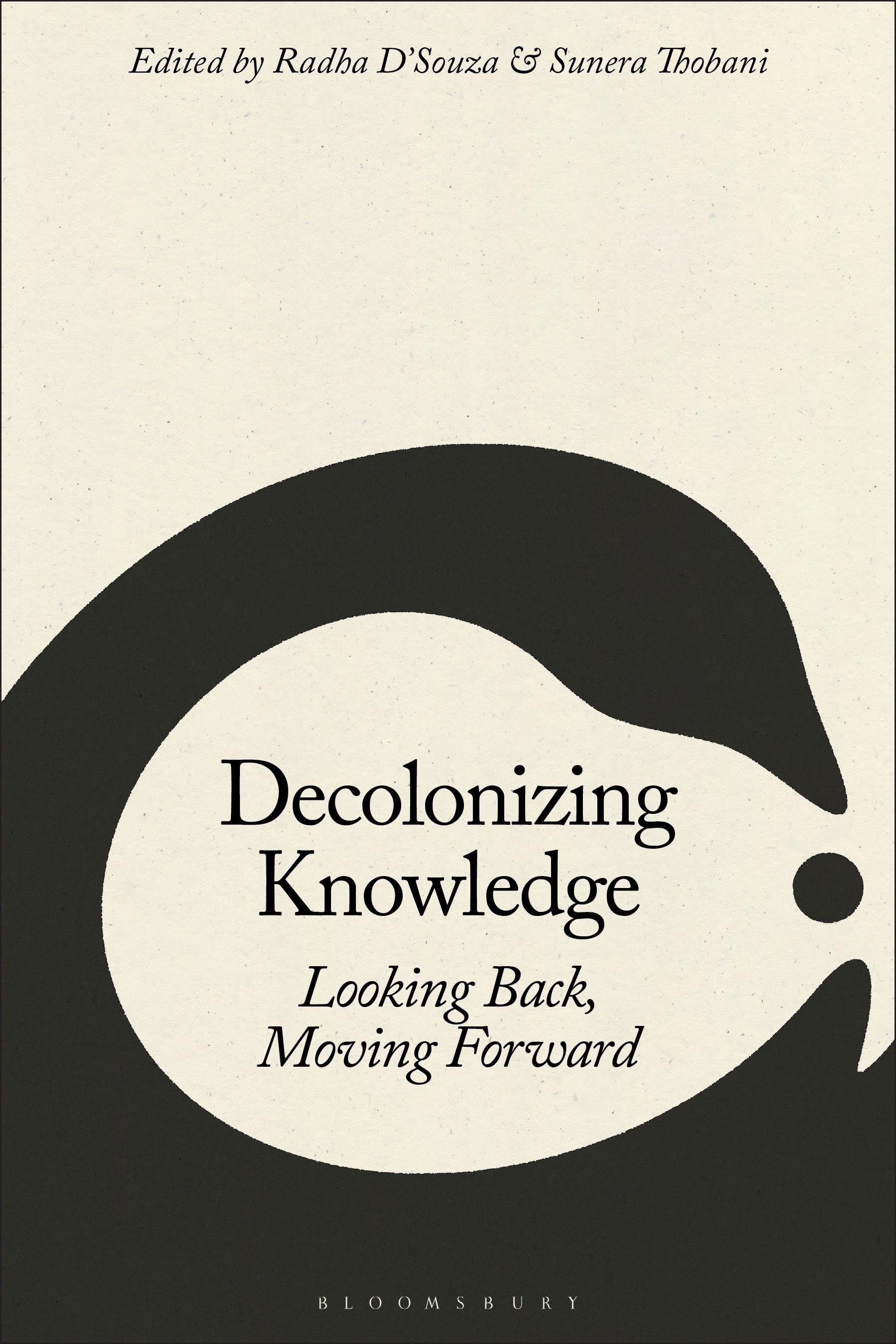
Interdisciplinary scholars rethink strategies for moving contemporary decolonization politics forward by revisiting the writings of the mid-20th century anti-colonial movements' leading intellectuals.
Decolonizing Knowledge draws on intellectual histories of anti-colonial thinkers who developed their ideas of decolonization through practical engagement with struggles for freedom from colonialism. Reading works by J.P.S. Uberoi, Frantz Fanon, Aimé Césaire, C.L.R. James and Andaiye, among others, interdisciplinary activist scholars reflect on the meaning of decolonization that emerged from anti-colonial struggles of the past and its relevance today.
Each chapter in the volume reflects on one or more texts from anti-colonial thinkers of the past to draw out the meaning of decolonization as conceptualized by earlier generations, providing key insights from their thinking and examining their relevance for contemporary struggles for racial, gender and class justice. With authors writing from multiple disciplines, these essays straddle a range of themes from theory and practice, art and literature, gender and violence, and political economy, to address a subject that is preoccupying academia and activists in the 21st century.
Decolonizing Knowledge is an intervention into contemporary debates on decolonizing curricula and universities, arguing that these calls need to be firmly engaged in wider social practices for justice, and that they can learn much from those who wrote on the topic amid the 20th century's many struggles for freedom.
Decolonizing Knowledge draws on intellectual histories of anti-colonial thinkers who developed their ideas of decolonization through practical engagement with struggles for freedom from colonialism. Reading works by J.P.S. Uberoi, Frantz Fanon, Aimé Césaire, C.L.R. James and Andaiye, among others, interdisciplinary activist scholars reflect on the meaning of decolonization that emerged from anti-colonial struggles of the past and its relevance today.
Each chapter in the volume reflects on one or more texts from anti-colonial thinkers of the past to draw out the meaning of decolonization as conceptualized by earlier generations, providing key insights from their thinking and examining their relevance for contemporary struggles for racial, gender and class justice. With authors writing from multiple disciplines, these essays straddle a range of themes from theory and practice, art and literature, gender and violence, and political economy, to address a subject that is preoccupying academia and activists in the 21st century.
Decolonizing Knowledge is an intervention into contemporary debates on decolonizing curricula and universities, arguing that these calls need to be firmly engaged in wider social practices for justice, and that they can learn much from those who wrote on the topic amid the 20th century's many struggles for freedom.
Sider: 296
Kategori: Kultur-, Genus- & Postkoloniala studier
e-ISBN: 9798765125472
Forsendelsesvægt: 1.2 kg
Sendes inden for: 1-2 dage
Betal nemt med kort, Klarna, Apple Pay eller Google Pay. Ikke tilfreds? Du har altid 14 dages fortrydelsesret. Læs mere i vores vilkår. Har du spørgsmål, så send os en mail på hello@memmo.org.
Memmo gør det nemmere at studere – uanset hvor du er i verden. Hos os samler du dine kursusbøger og smarte studieværktøjer ét sted: resuméer, quizzer, podcasts og flashcards. Og så er der Ted, din studieven, der svarer på alt, du undrer dig over. Over 50 000 studerende studerer allerede her – bygget til at hjælpe dig med at lære hurtigere og stresse mindre.