
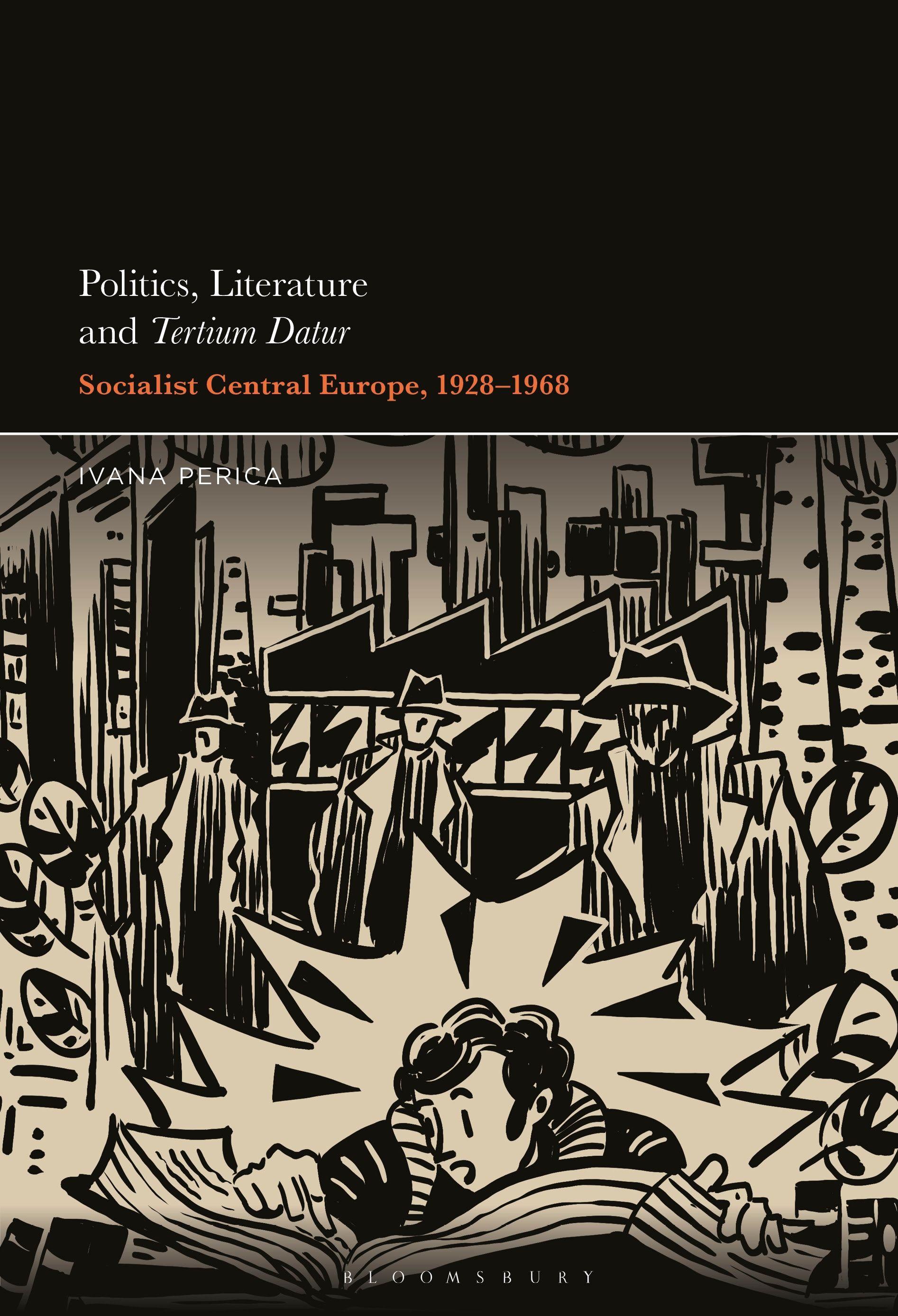
Offers an alternate framing of the literary and political afterlives of revolution between 1928-1968 in Eastern and Western Europe.
Politics, Literature and Tertium Datur combines the transfer of ideas between historical turning points with a comparative reading of political literatures in the European East and West to address the disparity between the abundance of scholarly accounts of 1968 and the simultaneous forgetting of developments in the interwar period that peaked around 1928. It deepens scholarly awareness of the transnational spaces of interwar literature and explores their afterlives in the post-World War II period.
The book troubles and corrects Western European theories of 1968 by tracing the post-war afterlives of shared interwar experiences that point towards a socialist third way, or Georg Lukács' tertium datur, and thus out of the conventionally understood East-West binary. It testifies to the existence of a literature that throughout the last century self-consciously oscillated between the exigencies of organized politics and the aesthetic task of helping to shape the humanity of tomorrow.
Examining case studies of works by Bertolt Brecht, Ivan Olbracht and August Cesarec among others, Politics, Literature and Tertium Datur excavates a series of problems, optics and styles characteristic of the forgotten episodes of 20th-century literary history. It shows that the proverbial Iron Curtain was not impenetrable, and that the walls and borders erected in the post-war period could not completely suppress the reverberations and revival of projects that flourished in the political-literary metropolises of the interwar period.
Politics, Literature and Tertium Datur combines the transfer of ideas between historical turning points with a comparative reading of political literatures in the European East and West to address the disparity between the abundance of scholarly accounts of 1968 and the simultaneous forgetting of developments in the interwar period that peaked around 1928. It deepens scholarly awareness of the transnational spaces of interwar literature and explores their afterlives in the post-World War II period.
The book troubles and corrects Western European theories of 1968 by tracing the post-war afterlives of shared interwar experiences that point towards a socialist third way, or Georg Lukács' tertium datur, and thus out of the conventionally understood East-West binary. It testifies to the existence of a literature that throughout the last century self-consciously oscillated between the exigencies of organized politics and the aesthetic task of helping to shape the humanity of tomorrow.
Examining case studies of works by Bertolt Brecht, Ivan Olbracht and August Cesarec among others, Politics, Literature and Tertium Datur excavates a series of problems, optics and styles characteristic of the forgotten episodes of 20th-century literary history. It shows that the proverbial Iron Curtain was not impenetrable, and that the walls and borders erected in the post-war period could not completely suppress the reverberations and revival of projects that flourished in the political-literary metropolises of the interwar period.
Betal nemt med kort, Klarna, Apple Pay eller Google Pay. Ikke tilfreds? Du har altid 14 dages fortrydelsesret. Læs mere i vores vilkår. Har du spørgsmål, så send os en mail på hello@memmo.org.
Memmo gør det nemmere at studere – uanset hvor du er i verden. Hos os samler du dine kursusbøger og smarte studieværktøjer ét sted: resuméer, quizzer, podcasts og flashcards. Og så er der Ted, din studieven, der svarer på alt, du undrer dig over. Over 50 000 studerende studerer allerede her – bygget til at hjælpe dig med at lære hurtigere og stresse mindre.