
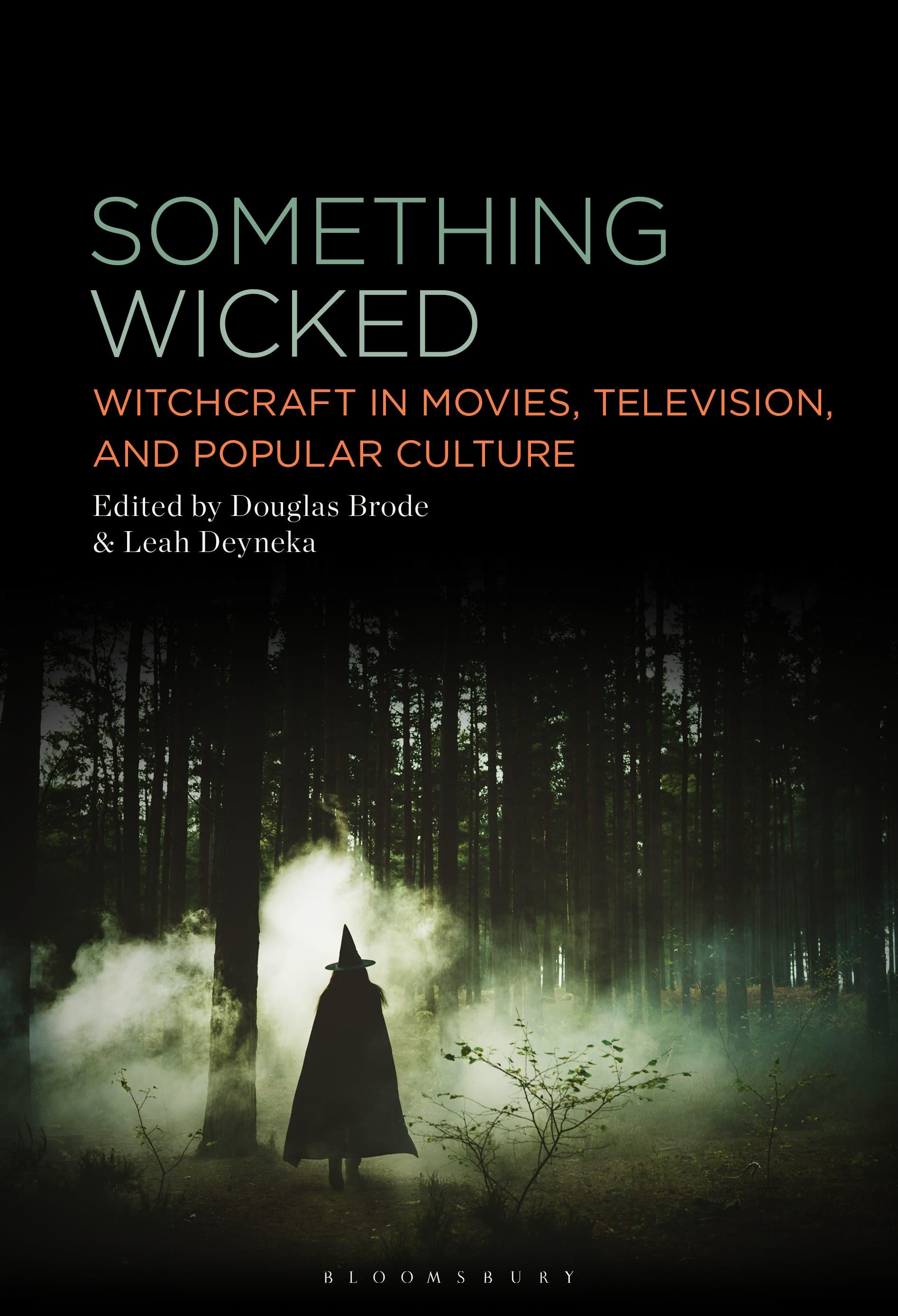
An anthology of essays that deal with Witchcraft and the figure of the Witch, as they have been presented in motion pictures, television, and popular culture, in order to understand how, why, and when the common anti-Witchcraft/ anti-Witch attitude evolved.
Mainstream tales of Witchcraft, including modern movies, novels, TV series, and other examples of our popular culture, more often than not express the traditional notion of a Witch as a wild, dangerous, untamable, “nasty” woman, obsessed with a desire for power to control all around her, in most narratives such a hunger presented as a negative. In truth, The Witch is a symbol of 'threatening evil' only to those men and women who accept a conservative sensibility. For members of either gender who do not, The Witch is perceived as hero and role model.
This collection begins with the Biblical figure of Lilith, followed by Morgan le Fey from Arthurian legend/ myth in literature as well as in popular culture, followed by the more contemporary depictions of the Witch that start to appear in the 1960s; for example, in the Bewitched sitcom, the Star Wars franchise, Harry Potter, and even the television show Scooby-Doo. International depictions of the Witch are discussed, including Italy's Dario Argento's films, Suspiria and Inferno. The final section of this collection focuses on the most iconic depictions of the Witch produced during the 21st century, including A Discovery of Witches, Penny Dreadful, Game of Thrones and the history of the Witch in films by the Walt Disney studio, from its origins more than a century ago to the latest releases, arguing that here, if perhaps surprisingly, we discover the most fair and balanced portraits of Witches in the history of film and TV.
Mainstream tales of Witchcraft, including modern movies, novels, TV series, and other examples of our popular culture, more often than not express the traditional notion of a Witch as a wild, dangerous, untamable, “nasty” woman, obsessed with a desire for power to control all around her, in most narratives such a hunger presented as a negative. In truth, The Witch is a symbol of 'threatening evil' only to those men and women who accept a conservative sensibility. For members of either gender who do not, The Witch is perceived as hero and role model.
This collection begins with the Biblical figure of Lilith, followed by Morgan le Fey from Arthurian legend/ myth in literature as well as in popular culture, followed by the more contemporary depictions of the Witch that start to appear in the 1960s; for example, in the Bewitched sitcom, the Star Wars franchise, Harry Potter, and even the television show Scooby-Doo. International depictions of the Witch are discussed, including Italy's Dario Argento's films, Suspiria and Inferno. The final section of this collection focuses on the most iconic depictions of the Witch produced during the 21st century, including A Discovery of Witches, Penny Dreadful, Game of Thrones and the history of the Witch in films by the Walt Disney studio, from its origins more than a century ago to the latest releases, arguing that here, if perhaps surprisingly, we discover the most fair and balanced portraits of Witches in the history of film and TV.
Sider: 328
Kategori: Film- & Medievetenskap
e-ISBN: 9798765122334
Forsendelsesvægt: 1.2 kg
Sendes inden for: 1-2 dage
Betal nemt med kort, Klarna, Apple Pay eller Google Pay. Ikke tilfreds? Du har altid 14 dages fortrydelsesret. Læs mere i vores vilkår. Har du spørgsmål, så send os en mail på hello@memmo.org.
Memmo gør det nemmere at studere – uanset hvor du er i verden. Hos os samler du dine kursusbøger og smarte studieværktøjer ét sted: resuméer, quizzer, podcasts og flashcards. Og så er der Ted, din studieven, der svarer på alt, du undrer dig over. Over 50 000 studerende studerer allerede her – bygget til at hjælpe dig med at lære hurtigere og stresse mindre.