
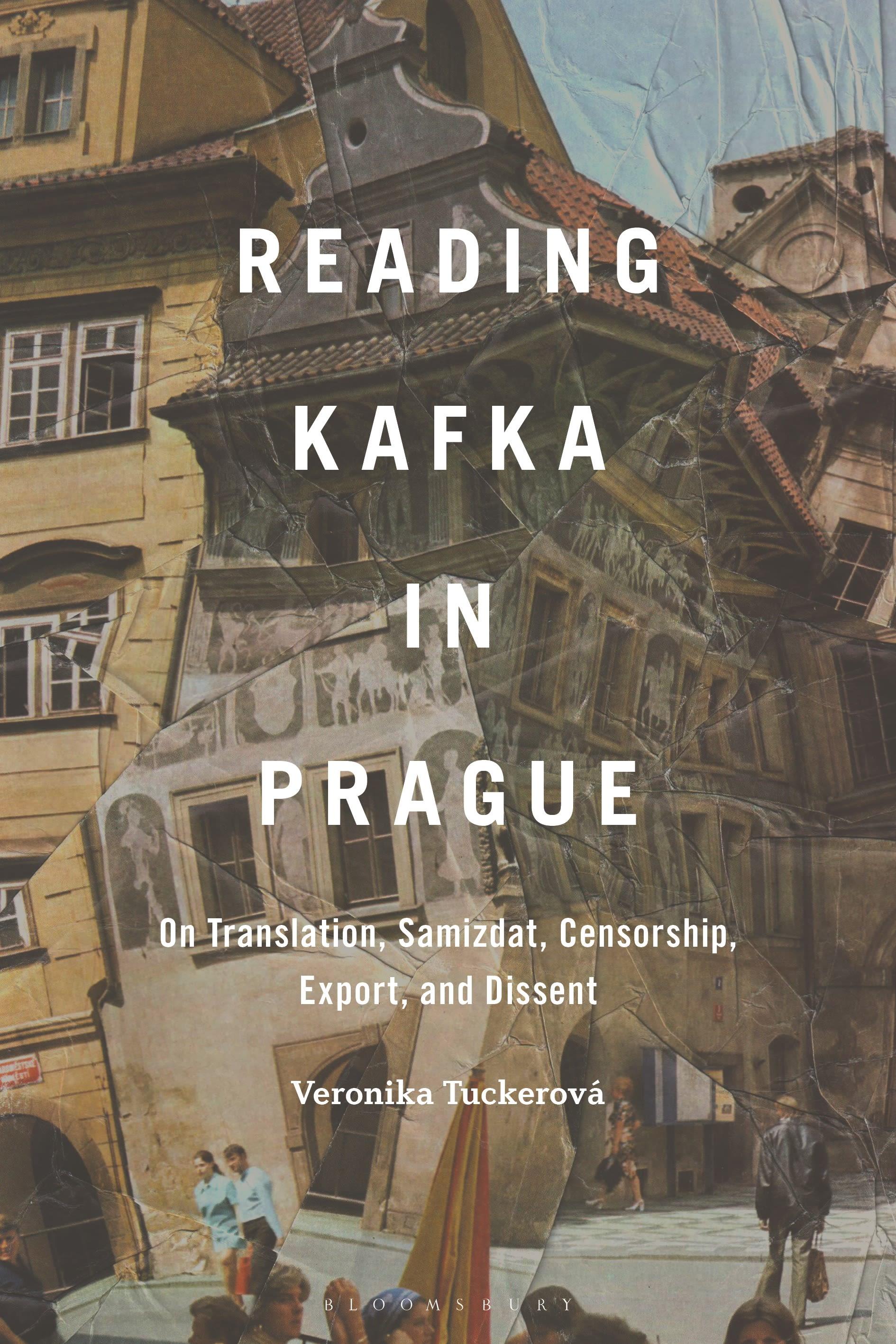
An untold history of Franz Kafka's reception in his homeland under two totalitarian regimes, from his death in 1924 to the end of communism 1989.
In the first book-length study of the reception of Kafka in his homeland, Czechoslovakia, Veronika Tuckerová offers a contextualized understanding of the author by focusing on the period from his death to the end of the communist era in 1989. Using a broad comparative framework with a focus on translation and intercultural transmission, as well as archival materials and interviews with Czech intellectuals, Reading Kafka in Prague shows definitively how Kafka shaped the lives and perspective of his Czech readers, from one-time Communists to émigrés to dissidents, scholars, and artists.
Tuckerová tells the story of five distinct readings of Kafka's works in 20th-century Czech lands: The initial ”triple ghetto” reception that survived the Second World War and the Communist takeover. The surrealist and existentialist embrace of Kafka by Czech artists, mediated by the French reception in the 1930s. The reformed-Marxist reception of Kafka as a critic of socialist alienation and totalitarianism that led to Kafka's rehabilitation at the 1963 Liblice conference. Official state reception “for export” that started in the late 1950s, reacting to the Western interest in Kafka's Prague. And finally, the dissident and underground reception of Kafka, which started in the 1950s and reached fruition in the years after the 1968 Soviet invasion.
This previously unknown story of Kafka in 20th-century Czechoslovakia offers 21st-century readers new insights into his oeuvre.
In the first book-length study of the reception of Kafka in his homeland, Czechoslovakia, Veronika Tuckerová offers a contextualized understanding of the author by focusing on the period from his death to the end of the communist era in 1989. Using a broad comparative framework with a focus on translation and intercultural transmission, as well as archival materials and interviews with Czech intellectuals, Reading Kafka in Prague shows definitively how Kafka shaped the lives and perspective of his Czech readers, from one-time Communists to émigrés to dissidents, scholars, and artists.
Tuckerová tells the story of five distinct readings of Kafka's works in 20th-century Czech lands: The initial ”triple ghetto” reception that survived the Second World War and the Communist takeover. The surrealist and existentialist embrace of Kafka by Czech artists, mediated by the French reception in the 1930s. The reformed-Marxist reception of Kafka as a critic of socialist alienation and totalitarianism that led to Kafka's rehabilitation at the 1963 Liblice conference. Official state reception “for export” that started in the late 1950s, reacting to the Western interest in Kafka's Prague. And finally, the dissident and underground reception of Kafka, which started in the 1950s and reached fruition in the years after the 1968 Soviet invasion.
This previously unknown story of Kafka in 20th-century Czechoslovakia offers 21st-century readers new insights into his oeuvre.
Betal nemt med kort, Klarna, Apple Pay eller Google Pay. Ikke tilfreds? Du har altid 14 dages fortrydelsesret. Læs mere i vores vilkår. Har du spørgsmål, så send os en mail på hello@memmo.org.
Memmo gør det nemmere at studere – uanset hvor du er i verden. Hos os samler du dine kursusbøger og smarte studieværktøjer ét sted: resuméer, quizzer, podcasts og flashcards. Og så er der Ted, din studieven, der svarer på alt, du undrer dig over. Over 50 000 studerende studerer allerede her – bygget til at hjælpe dig med at lære hurtigere og stresse mindre.