
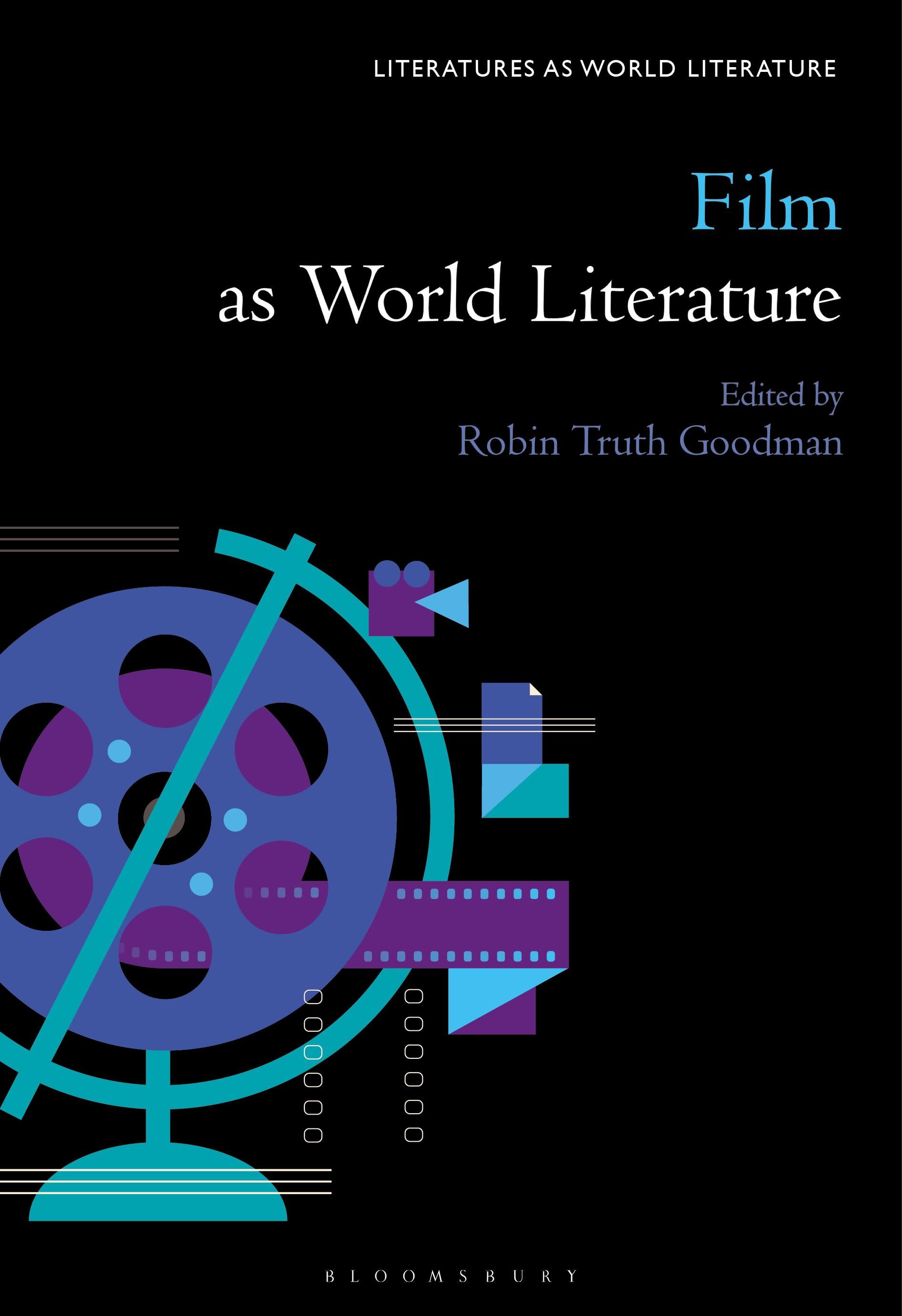
Redefines the theoretical and thematic contents of world literature by considering it in connection with film.
What gets lost when we understand film as essentially different from literature? What gets lost when we think them essentially the same? Does the constructed difference between literature and film also create social and political exclusions, exclusions that may exacerbate class struggle or exclusions of certain ways of thinking the future as different? Film as World Literature seeks to undo disciplines and disciplinarity: the division between film and literature, indeed, conceals the possibilities of “world” by bracketing out “undisciplined” parts.
Contributors apply ideas of “translatability” and “untranslatability” not just as a linguistic exercise of transfers between language groups, cultures, and national origins but also as an approach to media and transfers between media. Is film a visual acknowledgement that literary language is, by definition, multilingual – that is, is film a place where political conflicts, as Bakhtin observed, can be rendered visible? Chapters discuss film's relation to world literature not only by considering literary adaptations across nations, regions, languages, ideologies, and contexts but also by exploring film's intersections with literary theory, narrative, history, genre, and experimentation.
Film as World Literature calls for recognition that while the category of “world” demands a radical defense in the face of risks to democracy, the world that literature and film combined bring forth must interrogate the conditions for a future politics of interaction, engagement, belonging, and difference.
What gets lost when we understand film as essentially different from literature? What gets lost when we think them essentially the same? Does the constructed difference between literature and film also create social and political exclusions, exclusions that may exacerbate class struggle or exclusions of certain ways of thinking the future as different? Film as World Literature seeks to undo disciplines and disciplinarity: the division between film and literature, indeed, conceals the possibilities of “world” by bracketing out “undisciplined” parts.
Contributors apply ideas of “translatability” and “untranslatability” not just as a linguistic exercise of transfers between language groups, cultures, and national origins but also as an approach to media and transfers between media. Is film a visual acknowledgement that literary language is, by definition, multilingual – that is, is film a place where political conflicts, as Bakhtin observed, can be rendered visible? Chapters discuss film's relation to world literature not only by considering literary adaptations across nations, regions, languages, ideologies, and contexts but also by exploring film's intersections with literary theory, narrative, history, genre, and experimentation.
Film as World Literature calls for recognition that while the category of “world” demands a radical defense in the face of risks to democracy, the world that literature and film combined bring forth must interrogate the conditions for a future politics of interaction, engagement, belonging, and difference.
Sider: 312
Kategori: Film- & Medievetenskap
e-ISBN: 9798765113424
Forsendelsesvægt: 1.2 kg
Sendes inden for: 1-2 dage
Betal nemt med kort, Klarna, Apple Pay eller Google Pay. Ikke tilfreds? Du har altid 14 dages fortrydelsesret. Læs mere i vores vilkår. Har du spørgsmål, så send os en mail på hello@memmo.org.
Memmo gør det nemmere at studere – uanset hvor du er i verden. Hos os samler du dine kursusbøger og smarte studieværktøjer ét sted: resuméer, quizzer, podcasts og flashcards. Og så er der Ted, din studieven, der svarer på alt, du undrer dig over. Over 50 000 studerende studerer allerede her – bygget til at hjælpe dig med at lære hurtigere og stresse mindre.