
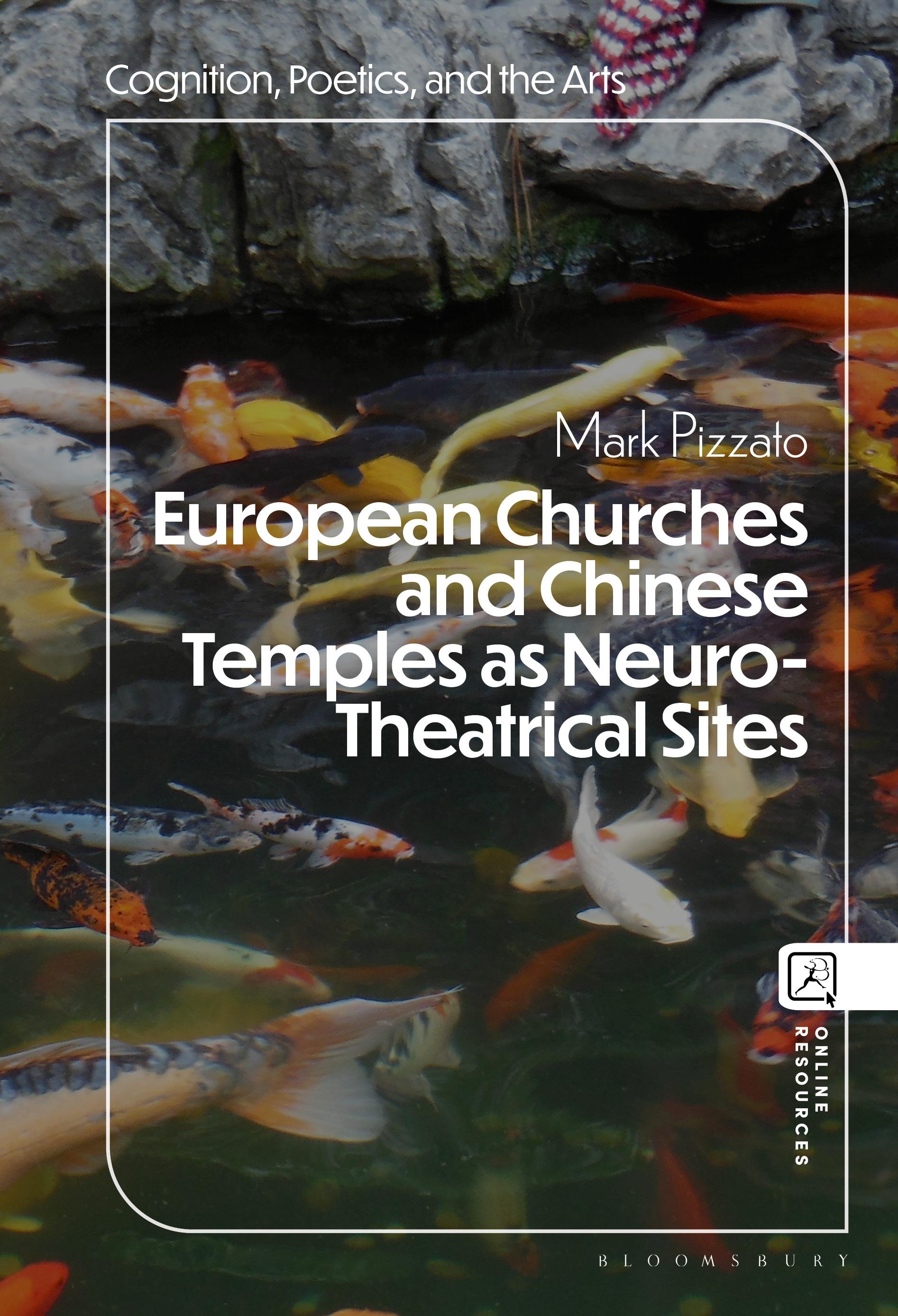
Compares monumental designs and performance spaces of Christian, Buddhist, and related sanctuaries, exploring how brain networks, animal-human emotions, and cultural ideals are reflected historically and affected today as "inner theatre" elements.
Integrating research across the humanities and sciences, this book explores how traditional designs of outer theatrical spaces left cultural imprints for the inner staging of Self and Other consciousness, which each of us performs daily based on how we think others view us. But believers also perform in a cosmic theatre. Ancestral spirits and gods (or God) watch and interact with them in awe-inspiring spaces, grooming affects toward in-group identification and sacrifice, or out-group rivalry and scapegoating.
In a study of over 80 buildings – shown by 40 images in the book, plus thousands of photos and videos online – Pizzato demonstrates how they reflect meta-theatrical projections from prior generations. They also affect the embodied, embedded, enacted, and extended (4E) cognition of current visitors, who bring performance frameworks of belief, hope, and doubt to the sacred site. This involves neuro-social, inner/outer theatre networks with patriarchal, maternal, and trickster paradigms.
European Churches and Chinese Temples as Neuro-Theatrical Sites investigates performative material cultures, creating dialogs between theatre, philosophy, history, and various (cognitive, affective, social, biological) sciences. It applies them to the architecture of religious buildings: from Catholic, Orthodox, and Protestant in Europe, plus key sites in Jerusalem and prior “pagan” temples, to Buddhist, Daoist, Confucian, and imperial in China. It thus reveals individualist/collectivist, focal/holistic, analytical/dialectical, and melodramatic/tragicomic trajectories, with cathartic poetics for the future.
Integrating research across the humanities and sciences, this book explores how traditional designs of outer theatrical spaces left cultural imprints for the inner staging of Self and Other consciousness, which each of us performs daily based on how we think others view us. But believers also perform in a cosmic theatre. Ancestral spirits and gods (or God) watch and interact with them in awe-inspiring spaces, grooming affects toward in-group identification and sacrifice, or out-group rivalry and scapegoating.
In a study of over 80 buildings – shown by 40 images in the book, plus thousands of photos and videos online – Pizzato demonstrates how they reflect meta-theatrical projections from prior generations. They also affect the embodied, embedded, enacted, and extended (4E) cognition of current visitors, who bring performance frameworks of belief, hope, and doubt to the sacred site. This involves neuro-social, inner/outer theatre networks with patriarchal, maternal, and trickster paradigms.
European Churches and Chinese Temples as Neuro-Theatrical Sites investigates performative material cultures, creating dialogs between theatre, philosophy, history, and various (cognitive, affective, social, biological) sciences. It applies them to the architecture of religious buildings: from Catholic, Orthodox, and Protestant in Europe, plus key sites in Jerusalem and prior “pagan” temples, to Buddhist, Daoist, Confucian, and imperial in China. It thus reveals individualist/collectivist, focal/holistic, analytical/dialectical, and melodramatic/tragicomic trajectories, with cathartic poetics for the future.
Sider: 328
Kategori: Drama, Teater & Scenkonst
e-ISBN: 9798765109120
Forsendelsesvægt: 1.2 kg
Sendes inden for: 1-2 dage
Betal nemt med kort, Klarna, Apple Pay eller Google Pay. Ikke tilfreds? Du har altid 14 dages fortrydelsesret. Læs mere i vores vilkår. Har du spørgsmål, så send os en mail på hello@memmo.org.
Memmo gør det nemmere at studere – uanset hvor du er i verden. Hos os samler du dine kursusbøger og smarte studieværktøjer ét sted: resuméer, quizzer, podcasts og flashcards. Og så er der Ted, din studieven, der svarer på alt, du undrer dig over. Over 50 000 studerende studerer allerede her – bygget til at hjælpe dig med at lære hurtigere og stresse mindre.