
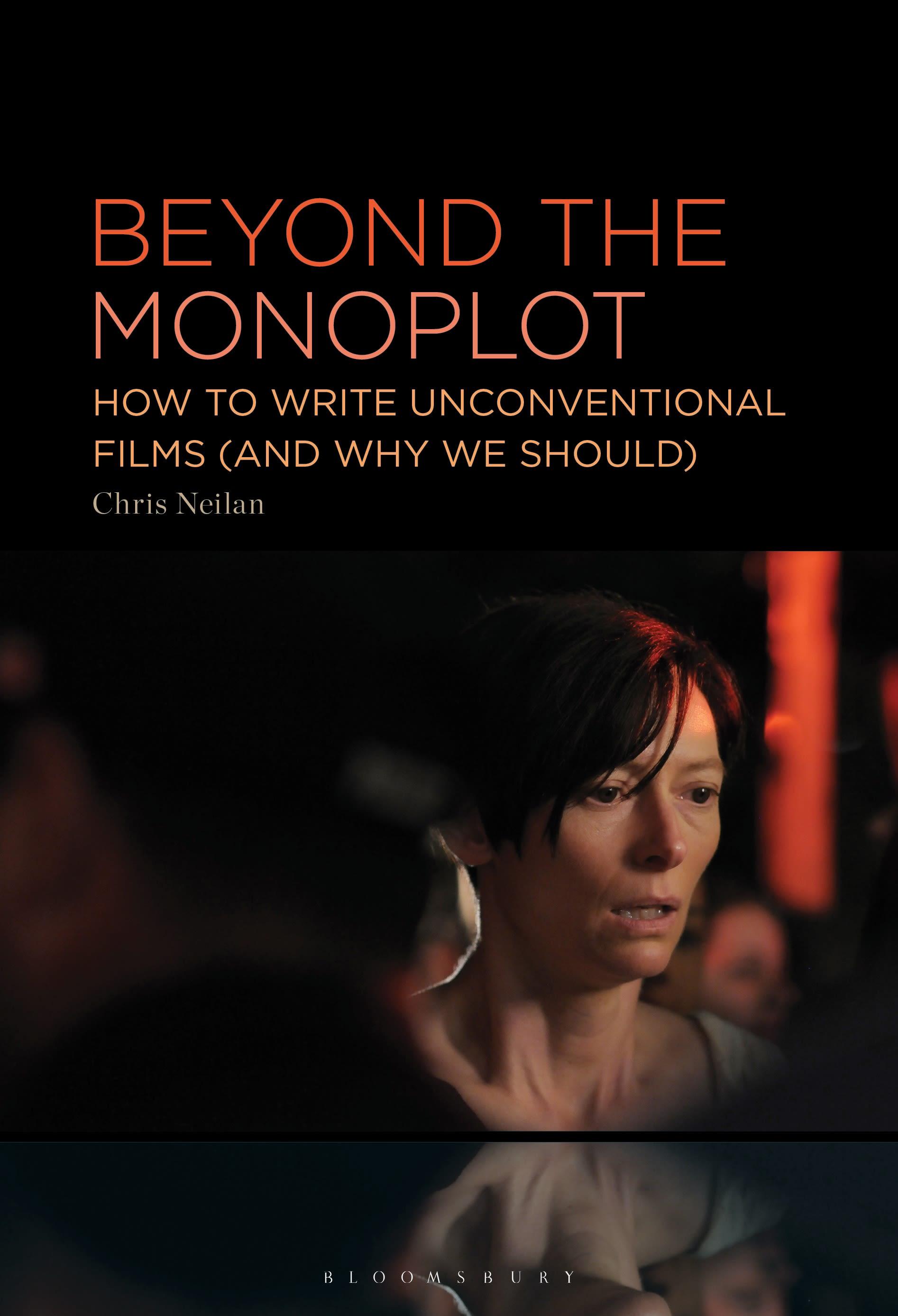
This book provides a toolkit for unconventional practice-a comprehensive list of unconventional story shapes and the meanings they create, with accompanying case studies, including: one-act structure; two-act structure; passive protagonists; untimely death of the protagonist, and more.
Formed from Aristotelian principles and a three-act shape brought to Hollywood by Broadway playwrights after the advent of sync sound, Conventional Monoplot has come to dominate screen storytelling practice throughout the Western world. For the experimental, rule-suspicious, unconventional screenwriter, alternative storytelling models are available. Beyond the Monoplot offers screenwriters and screenwriting students a new way of approaching and quantifying conventional practice, whilst equipping them with the skills and tools to subvert convention and expectation in dynamic and innovative ways.
Where the revolutionary New Hollywood period of the '60s and '70s saw strikingly iconoclastic, original, rule-breaking narratives attracting enormous audiences and making indelible cultural imprints, today's most widely seen films stick rigidly to the Conventional Monoplot model. Shaped and solidified by best-selling screenwriting handbooks of the '80s and 90s, this model proved incredibly useful for a rapidly industrialising consumerist approach to screen entertainment, pushing unconventional and innovative storytelling practices to the cultural fringe. Whilst bold, daring films are still made, their impact is muted: Moonlight, despite winning Best Picture, was only the 92nd highest grossing film of its year. And whilst great strides are made towards diversity and representation, story shapes remain cloistered within a consumerist and highly conventionalised form, against which this book pushes back.
Formed from Aristotelian principles and a three-act shape brought to Hollywood by Broadway playwrights after the advent of sync sound, Conventional Monoplot has come to dominate screen storytelling practice throughout the Western world. For the experimental, rule-suspicious, unconventional screenwriter, alternative storytelling models are available. Beyond the Monoplot offers screenwriters and screenwriting students a new way of approaching and quantifying conventional practice, whilst equipping them with the skills and tools to subvert convention and expectation in dynamic and innovative ways.
Where the revolutionary New Hollywood period of the '60s and '70s saw strikingly iconoclastic, original, rule-breaking narratives attracting enormous audiences and making indelible cultural imprints, today's most widely seen films stick rigidly to the Conventional Monoplot model. Shaped and solidified by best-selling screenwriting handbooks of the '80s and 90s, this model proved incredibly useful for a rapidly industrialising consumerist approach to screen entertainment, pushing unconventional and innovative storytelling practices to the cultural fringe. Whilst bold, daring films are still made, their impact is muted: Moonlight, despite winning Best Picture, was only the 92nd highest grossing film of its year. And whilst great strides are made towards diversity and representation, story shapes remain cloistered within a consumerist and highly conventionalised form, against which this book pushes back.
Sider: 288
Kategori: Film- & Medievetenskap
e-ISBN: 9798765107577
Forsendelsesvægt: 1.2 kg
Sendes inden for: 1-2 dage
Betal nemt med kort, Klarna, Apple Pay eller Google Pay. Ikke tilfreds? Du har altid 14 dages fortrydelsesret. Læs mere i vores vilkår. Har du spørgsmål, så send os en mail på hello@memmo.org.
Memmo gør det nemmere at studere – uanset hvor du er i verden. Hos os samler du dine kursusbøger og smarte studieværktøjer ét sted: resuméer, quizzer, podcasts og flashcards. Og så er der Ted, din studieven, der svarer på alt, du undrer dig over. Over 50 000 studerende studerer allerede her – bygget til at hjælpe dig med at lære hurtigere og stresse mindre.