
Runner-up Best Monograph, BAFTSS Publication Awards 2025
Operating between film theory, media philosophy, archival practice, and audiovisual research, Jiri Anger focuses on the relationship between figuration and materiality in early films, experimental found footage cinema, and video essays.
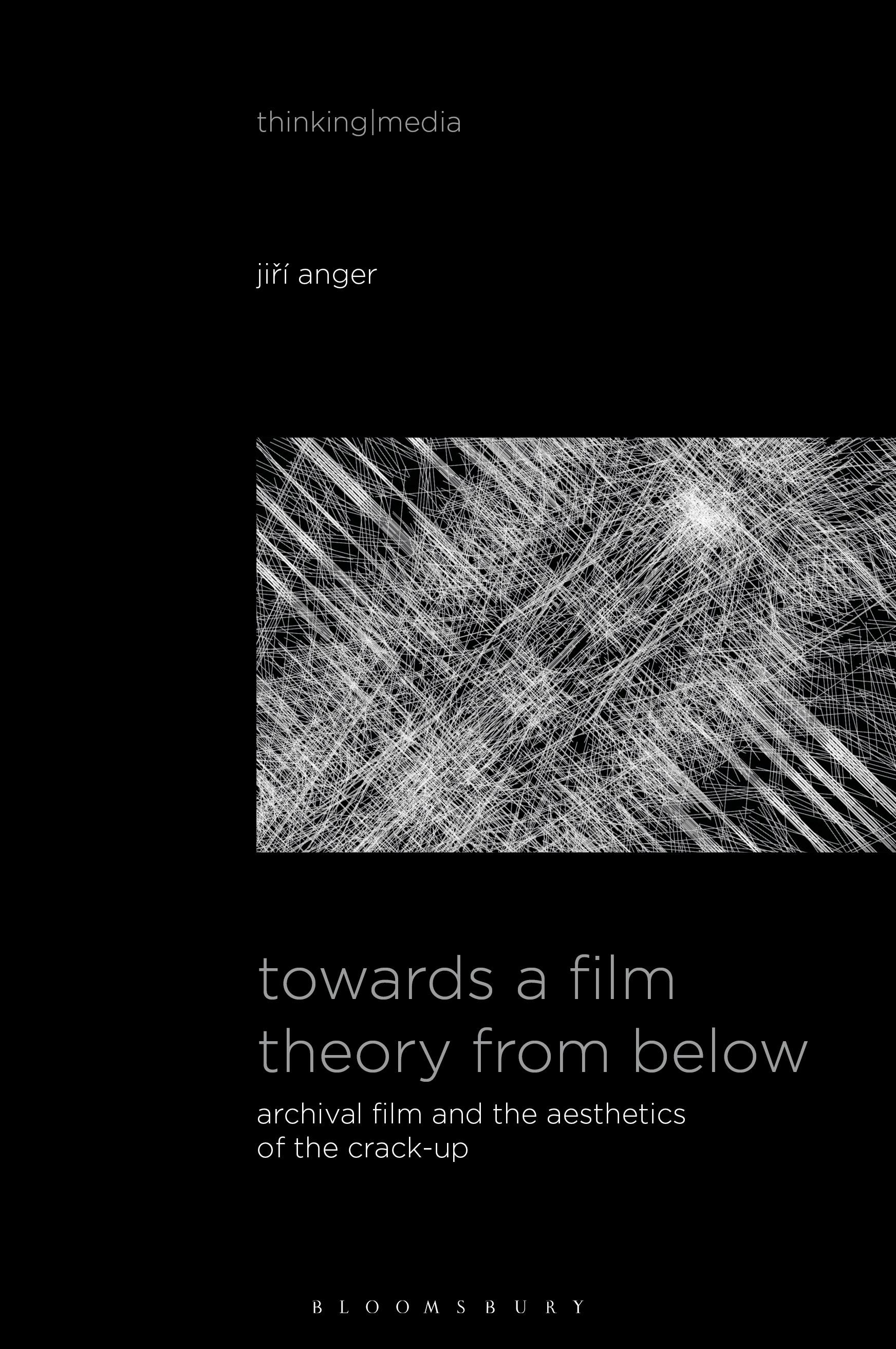
Would it be possible to do film theory from below, through the perspective of moving-image objects, of their multifarious details and facets, however marginal, unintentional, or aleatory they might be? Could we treat scratches, stains, and shakes in archival footage as speculatively and aesthetically generative features? Do these material actors have the capacity to create “weird shapes” within the figurative image that decenter, distort, and transform the existing conceptual and methodological frameworks?
Building on his theoretical as well as practical experience with the recently digitized corpus of the first Czech films, created by Jan Kríženecký between 1898 and 1911, the author demonstrates how technological defects and accidents in archival films shape their aesthetic function and our understanding of the materiality of film in the digital age. The specific clashes between the figurative and material spheres are understood through the concept of a “crack-up.” This term, developed by Francis Scott Fitzgerald and theoretically reimagined by Gilles Deleuze, allows us to capture the convoluted relationship between figuration and materiality as inherent to the medium of film, containing negativity and productivity, difference and simultaneity, contingency and fate, at the same time, even within the tiniest cinematic units.
Operating between film theory, media philosophy, archival practice, and audiovisual research, Jiri Anger focuses on the relationship between figuration and materiality in early films, experimental found footage cinema, and video essays.
Would it be possible to do film theory from below, through the perspective of moving-image objects, of their multifarious details and facets, however marginal, unintentional, or aleatory they might be? Could we treat scratches, stains, and shakes in archival footage as speculatively and aesthetically generative features? Do these material actors have the capacity to create “weird shapes” within the figurative image that decenter, distort, and transform the existing conceptual and methodological frameworks?
Building on his theoretical as well as practical experience with the recently digitized corpus of the first Czech films, created by Jan Kríženecký between 1898 and 1911, the author demonstrates how technological defects and accidents in archival films shape their aesthetic function and our understanding of the materiality of film in the digital age. The specific clashes between the figurative and material spheres are understood through the concept of a “crack-up.” This term, developed by Francis Scott Fitzgerald and theoretically reimagined by Gilles Deleuze, allows us to capture the convoluted relationship between figuration and materiality as inherent to the medium of film, containing negativity and productivity, difference and simultaneity, contingency and fate, at the same time, even within the tiniest cinematic units.
Sider: 232
Kategori: Film- & Medievetenskap
e-ISBN: 9798765107287
Forsendelsesvægt: 1.2 kg
Sendes inden for: 1-2 dage
Betal nemt med kort, Klarna, Apple Pay eller Google Pay. Ikke tilfreds? Du har altid 14 dages fortrydelsesret. Læs mere i vores vilkår. Har du spørgsmål, så send os en mail på hello@memmo.org.
Memmo gør det nemmere at studere – uanset hvor du er i verden. Hos os samler du dine kursusbøger og smarte studieværktøjer ét sted: resuméer, quizzer, podcasts og flashcards. Og så er der Ted, din studieven, der svarer på alt, du undrer dig over. Over 50 000 studerende studerer allerede her – bygget til at hjælpe dig med at lære hurtigere og stresse mindre.