
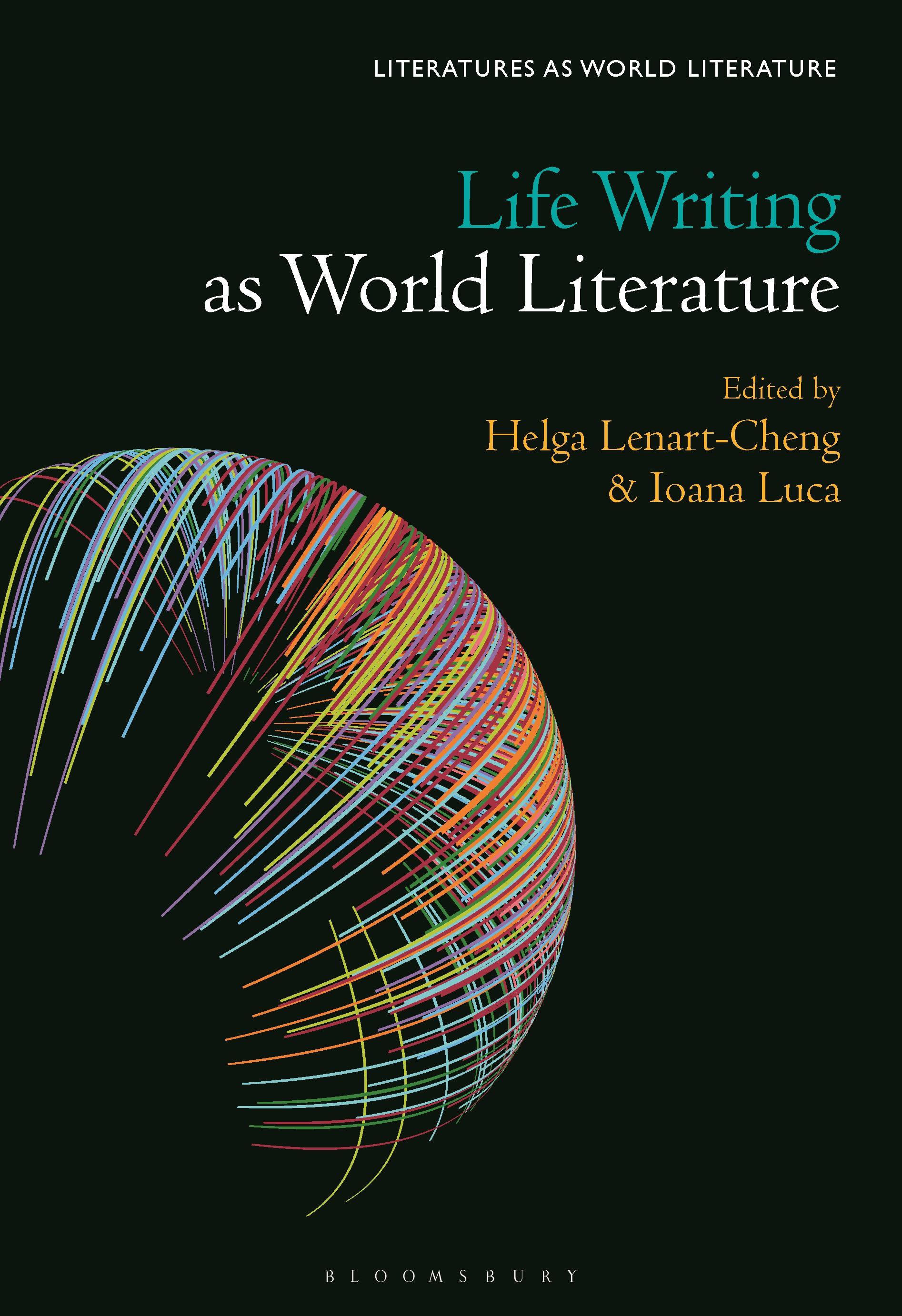
A global array of contributors explore the interplay between translation and circulation, mediums and materialities, and aesthetics and politics in how life writing is shaped by and becomes world literature.
We live in the age of popular self-representation in that most people around the globe either produce or consume autobiographical material: memoirs, selfies, blogs, etc. The current volume investigates this global phenomenon and examines how life writing and world literature converge. Why do some personal stories get “picked up,” translated, circulated, and taught in classrooms, while others remain moored in local waters? Do autobiographical stories that travel widely have something in common about them? Or is it the other way around, is it our notion of “world literature” that imposes uniform expectations on these diverse texts? And what can we gain from studying these two fields in conjunction?
Life Writing as World Literature brings together experts who map regional and local autobiographical traditions from six continents. These scholars explore the dynamic interplay between local and global aesthetics and sociopolitical concerns, presenting case studies that include prison narratives from communist regimes, Japanese diaries, multilingual Caribbean memoirs, Indian auto/biographical comics, and stories by Taiwanese domestic workers.
To understand how and why some personal stories enter global dissemination, contributors inquire into translation, market mechanisms, and circulation patterns, while also exploring the affordances of new media and materialities when recording contemporary lives. Life Writing as World Literature brings a fresh perspective to both fields – world literature and life writing – opening up exciting avenues of research.
We live in the age of popular self-representation in that most people around the globe either produce or consume autobiographical material: memoirs, selfies, blogs, etc. The current volume investigates this global phenomenon and examines how life writing and world literature converge. Why do some personal stories get “picked up,” translated, circulated, and taught in classrooms, while others remain moored in local waters? Do autobiographical stories that travel widely have something in common about them? Or is it the other way around, is it our notion of “world literature” that imposes uniform expectations on these diverse texts? And what can we gain from studying these two fields in conjunction?
Life Writing as World Literature brings together experts who map regional and local autobiographical traditions from six continents. These scholars explore the dynamic interplay between local and global aesthetics and sociopolitical concerns, presenting case studies that include prison narratives from communist regimes, Japanese diaries, multilingual Caribbean memoirs, Indian auto/biographical comics, and stories by Taiwanese domestic workers.
To understand how and why some personal stories enter global dissemination, contributors inquire into translation, market mechanisms, and circulation patterns, while also exploring the affordances of new media and materialities when recording contemporary lives. Life Writing as World Literature brings a fresh perspective to both fields – world literature and life writing – opening up exciting avenues of research.
Sider: 328
Kategori: Litteraturvetenskap & Teori
e-ISBN: 9798765107133
Forsendelsesvægt: 1.2 kg
Sendes inden for: 1-2 dage
Betal nemt med kort, Klarna, Apple Pay eller Google Pay. Ikke tilfreds? Du har altid 14 dages fortrydelsesret. Læs mere i vores vilkår. Har du spørgsmål, så send os en mail på hello@memmo.org.
Memmo gør det nemmere at studere – uanset hvor du er i verden. Hos os samler du dine kursusbøger og smarte studieværktøjer ét sted: resuméer, quizzer, podcasts og flashcards. Og så er der Ted, din studieven, der svarer på alt, du undrer dig over. Over 50 000 studerende studerer allerede her – bygget til at hjælpe dig med at lære hurtigere og stresse mindre.