
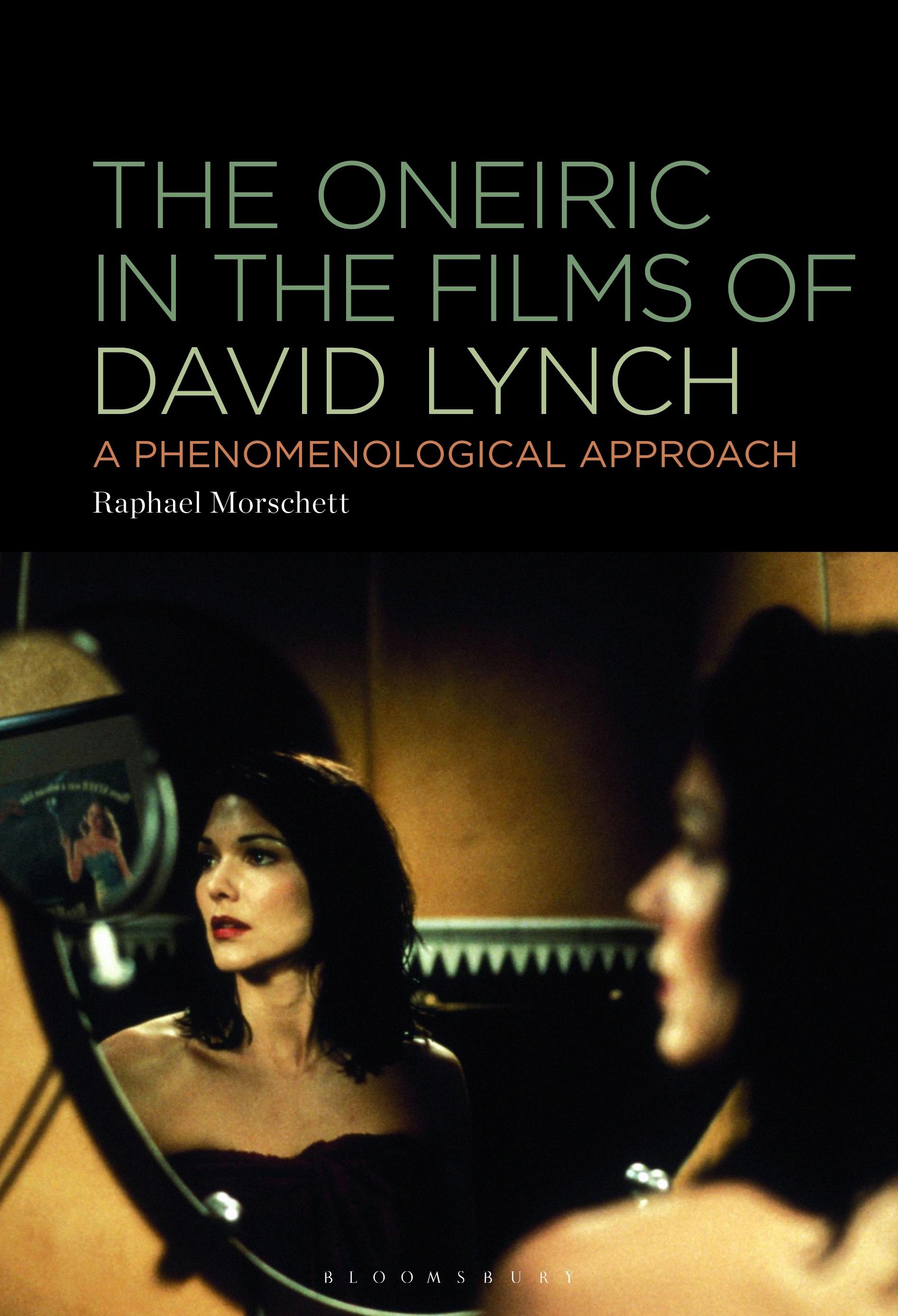
The Oneiric in the Films of David Lynch is the first systematic book-length study to explore the nature and function of dreams in David Lynch's different phases and audio-visual formats.
There is hardly a contemporary film director whose name is as closely linked to the dream(-like) as that of David Lynch. Both popular and academic discourse frequently identify Lynch's films by their dreamlike qualities. However, in the existing literature on Lynch, these qualities tend to remain underspecified in terms of their experiential dimension.
Departing from an interest in the phenomenon of dream experience, this is the first systematic book-length study exploring the nature and function of the oneiric in the director's different phases and audio-visual formats. It shows that, over the course of 50 years, Lynch has developed a cinematic aesthetics of the oneiric – an ensemble of four dream-related dimensions that unfolds its full potential in the dynamic interplay between sensory address and reflective medialization. On the one hand, the Lynchian oneiric presents a markedly sensory-perceptual mode of experience – both characters and viewers are challenged in their perceptual patterns, while at the same time being immersed in the material dream scenario. On the other hand, the Lynchian oneiric provides a mode of both psychological and medial reflection. Not only the characters, but the films themselves are inclined to 'turn back' on themselves in a dream, exploring the preconditions, possibilities, and limitations of their own existence and ability to know the world. The oneiric in Lynch's films is thus of phenomenological, media-theoretical, and philosophical interest.
There is hardly a contemporary film director whose name is as closely linked to the dream(-like) as that of David Lynch. Both popular and academic discourse frequently identify Lynch's films by their dreamlike qualities. However, in the existing literature on Lynch, these qualities tend to remain underspecified in terms of their experiential dimension.
Departing from an interest in the phenomenon of dream experience, this is the first systematic book-length study exploring the nature and function of the oneiric in the director's different phases and audio-visual formats. It shows that, over the course of 50 years, Lynch has developed a cinematic aesthetics of the oneiric – an ensemble of four dream-related dimensions that unfolds its full potential in the dynamic interplay between sensory address and reflective medialization. On the one hand, the Lynchian oneiric presents a markedly sensory-perceptual mode of experience – both characters and viewers are challenged in their perceptual patterns, while at the same time being immersed in the material dream scenario. On the other hand, the Lynchian oneiric provides a mode of both psychological and medial reflection. Not only the characters, but the films themselves are inclined to 'turn back' on themselves in a dream, exploring the preconditions, possibilities, and limitations of their own existence and ability to know the world. The oneiric in Lynch's films is thus of phenomenological, media-theoretical, and philosophical interest.
Sider: 280
Kategori: Film- & Medievetenskap
e-ISBN: 9798765107089
Forsendelsesvægt: 1.2 kg
Sendes inden for: 1-2 dage
Betal nemt med kort, Klarna, Apple Pay eller Google Pay. Ikke tilfreds? Du har altid 14 dages fortrydelsesret. Læs mere i vores vilkår. Har du spørgsmål, så send os en mail på hello@memmo.org.
Memmo gør det nemmere at studere – uanset hvor du er i verden. Hos os samler du dine kursusbøger og smarte studieværktøjer ét sted: resuméer, quizzer, podcasts og flashcards. Og så er der Ted, din studieven, der svarer på alt, du undrer dig over. Over 50 000 studerende studerer allerede her – bygget til at hjælpe dig med at lære hurtigere og stresse mindre.