
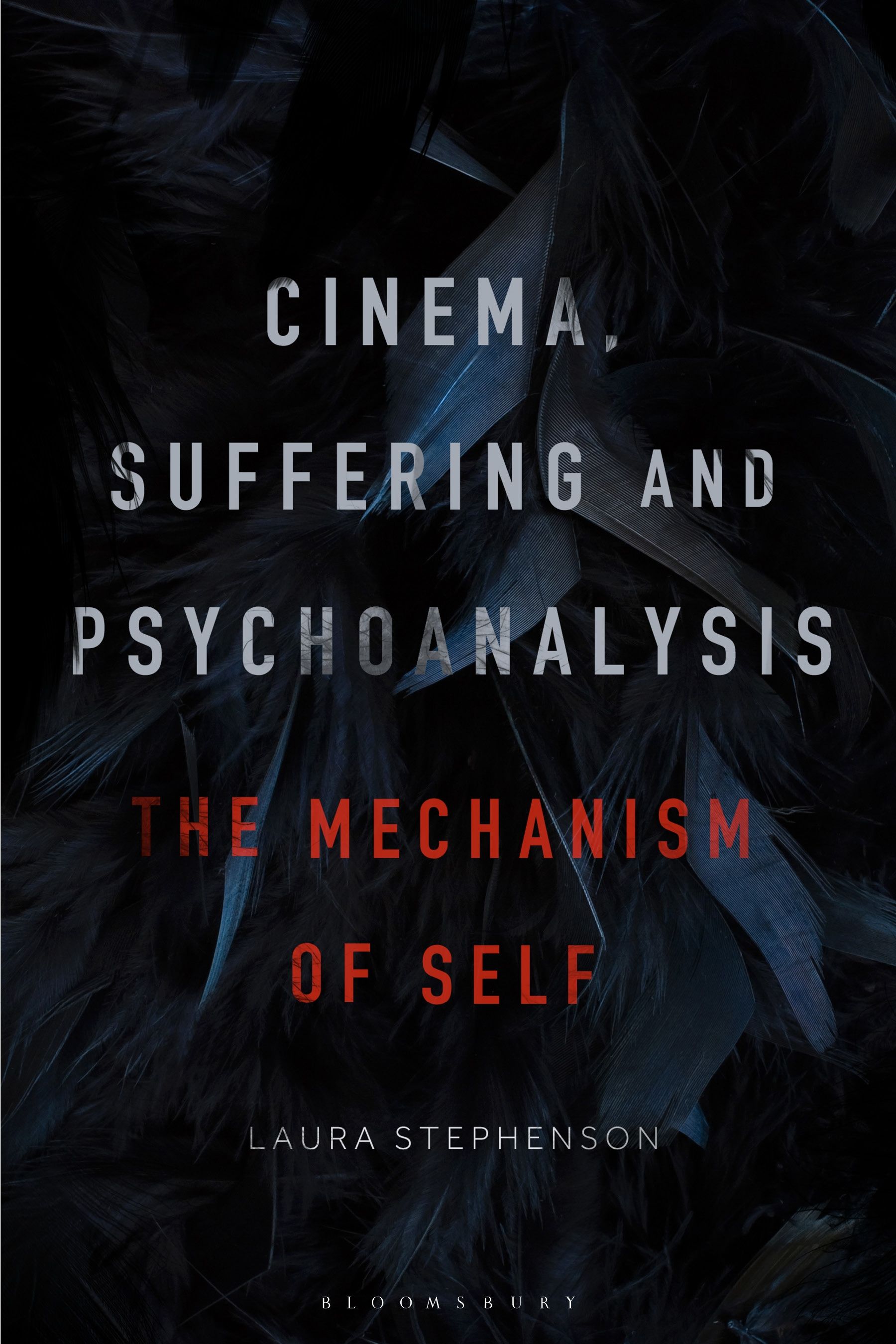
Cinema, Suffering and Psychoanalysis explores psychological disorder as common to the human condition using a unique three-angled approach: psychoanalysis recognises the inherent suffering encountered by each subject due to developmental phases; psychology applies specific categorisation to how this suffering manifests; cinema depicts suffering through a combination of video and aural elements.
Functioning as a culturally reflexive medium, the six feature films analysed, including Black Swan (2010) and The Machinist (2004), represent some of the most common psychological disorders and lived experiences of the contemporary era. This book enters unchartered terrain in cinema scholarship by combining clinical psychology's Diagnostic and Statistical Manual Five (DSM-V) to organise and diagnose each character, and psychoanalysis to track the origin, mechanism and affect of the psychological disorder within the narrative trajectory of each film. Lacan's theories on the infantile mirror phase, the Imaginary, and the Symbolic, Žižek's theories on the Real, the big Other and the Event, and Kristeva's theories on abjection and melancholia work in combination with the DSM's classification of symptoms to interpret six contemporary pieces of cinema.
By taking into consideration that origin, mechanism, affect and symptomatology are part of an interconnected group, this book explores psychological disorder as part of the human condition, something which contributes to and informs personal identity. More specifically, this research refutes the notion that psychological disorder and psychological health exist as a binary, instead recognising that what has traditionally been pathologised, may instead be viewed as variations on human identity.
Functioning as a culturally reflexive medium, the six feature films analysed, including Black Swan (2010) and The Machinist (2004), represent some of the most common psychological disorders and lived experiences of the contemporary era. This book enters unchartered terrain in cinema scholarship by combining clinical psychology's Diagnostic and Statistical Manual Five (DSM-V) to organise and diagnose each character, and psychoanalysis to track the origin, mechanism and affect of the psychological disorder within the narrative trajectory of each film. Lacan's theories on the infantile mirror phase, the Imaginary, and the Symbolic, Žižek's theories on the Real, the big Other and the Event, and Kristeva's theories on abjection and melancholia work in combination with the DSM's classification of symptoms to interpret six contemporary pieces of cinema.
By taking into consideration that origin, mechanism, affect and symptomatology are part of an interconnected group, this book explores psychological disorder as part of the human condition, something which contributes to and informs personal identity. More specifically, this research refutes the notion that psychological disorder and psychological health exist as a binary, instead recognising that what has traditionally been pathologised, may instead be viewed as variations on human identity.
Sider: 232
Kategori: Film- & Medievetenskap
e-ISBN: 9798765105634
Forsendelsesvægt: 1.2 kg
Sendes inden for: 1-2 dage
Betal nemt med kort, Klarna, Apple Pay eller Google Pay. Ikke tilfreds? Du har altid 14 dages fortrydelsesret. Læs mere i vores vilkår. Har du spørgsmål, så send os en mail på hello@memmo.org.
Memmo gør det nemmere at studere – uanset hvor du er i verden. Hos os samler du dine kursusbøger og smarte studieværktøjer ét sted: resuméer, quizzer, podcasts og flashcards. Og så er der Ted, din studieven, der svarer på alt, du undrer dig over. Over 50 000 studerende studerer allerede her – bygget til at hjælpe dig med at lære hurtigere og stresse mindre.