
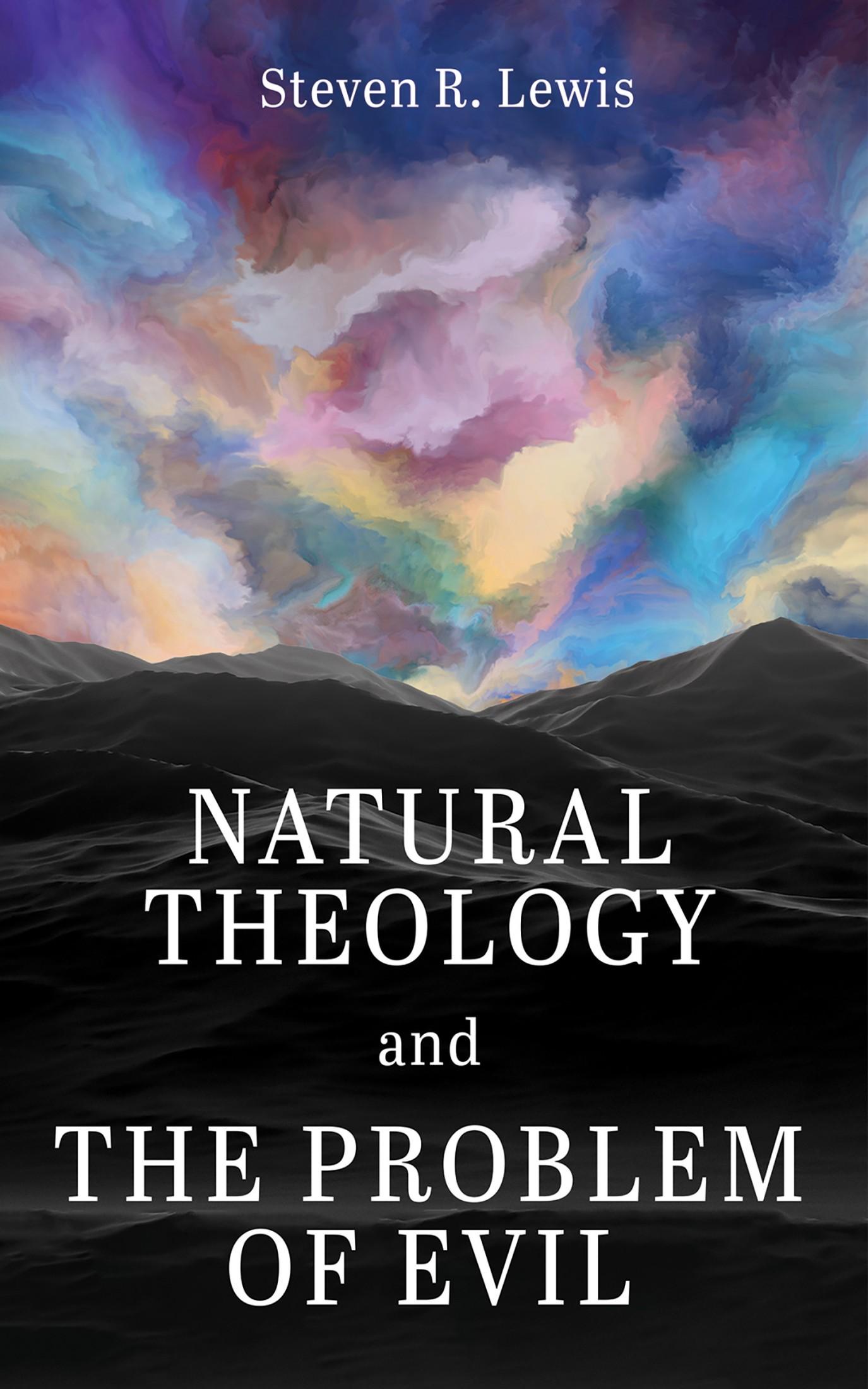
The problem of evil is among the most significant philosophical arguments posed against the existence of God. Crucial to this argument is the premise that God, on account of his divine moral perfection, is necessarily constrained to prevent or mitigate evil whenever it is possible for him to do so. Natural Theology and the Problem of Evil offers a unique resolution to this challenge by focusing first on the necessary truths of God’s existence and nature via a systematic natural theology. By starting with these first principles, the theist is left with a confidence in God’s existence and nature (as omniscient, omnipotent, and perfectly good) sufficient to overcome the problem of evil. The theistic foundations that emerge result in a denial of any moral obligation that God might have to intervene in a well-ordered creation. Thus God, on account of his nature and attributes as well as the nature of evil and the natural operation of the world, is under no moral constraint to always prevent evil in the manner required by the evidential argument, and thus proposed instances of gratuitous evil are necessarily compatible with the existence of God.
Betal nemt med kort, Klarna, Apple Pay eller Google Pay. Ikke tilfreds? Du har altid 14 dages fortrydelsesret. Læs mere i vores vilkår. Har du spørgsmål, så send os en mail på hello@memmo.org.
Memmo gør det nemmere at studere – uanset hvor du er i verden. Hos os samler du dine kursusbøger og smarte studieværktøjer ét sted: resuméer, quizzer, podcasts og flashcards. Og så er der Ted, din studieven, der svarer på alt, du undrer dig over. Over 50 000 studerende studerer allerede her – bygget til at hjælpe dig med at lære hurtigere og stresse mindre.
Du kan måske også lide
Køb bogen0