
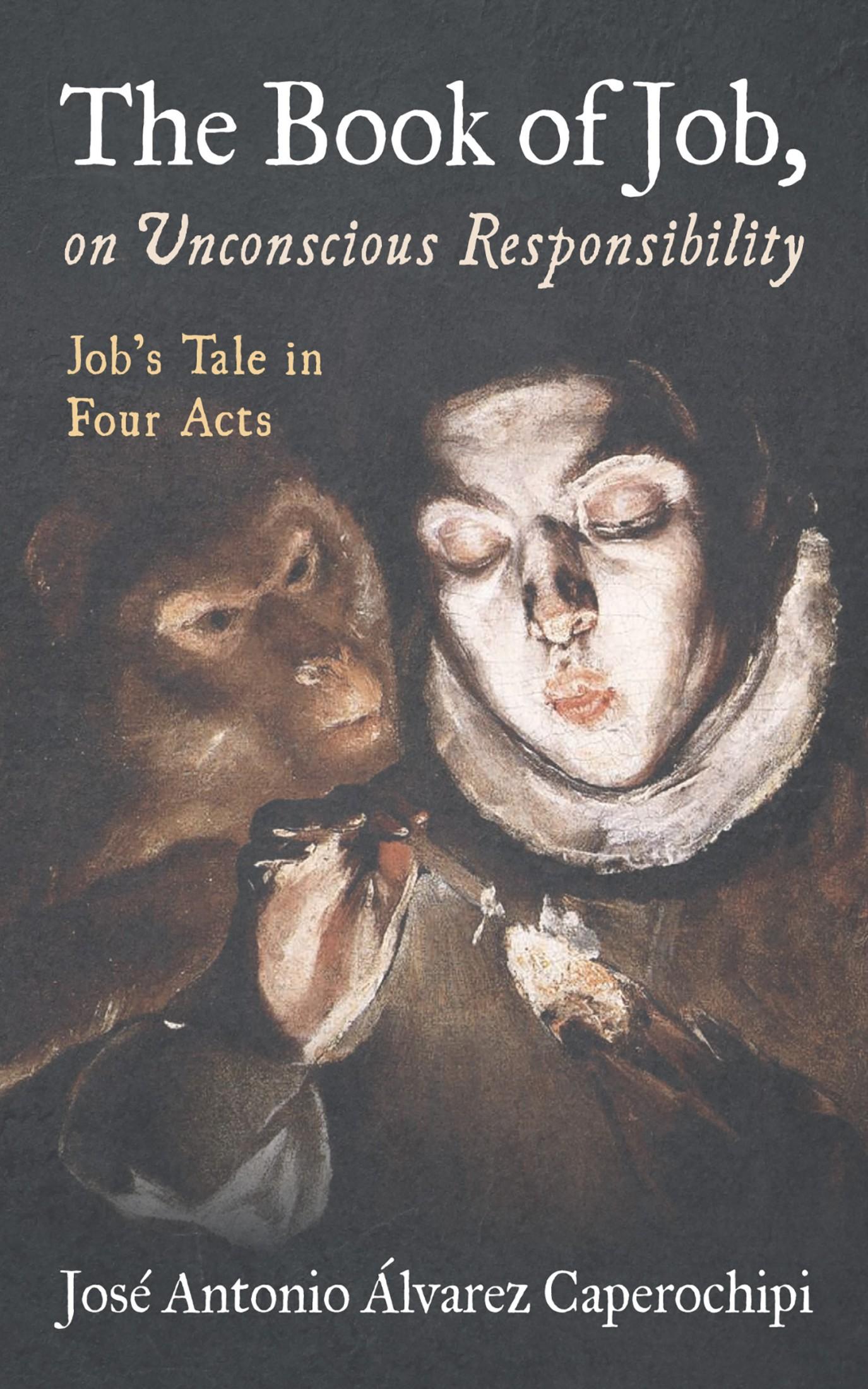
Through a multidisciplinary reading--yet grounded in civil and criminal law--this book analyzes the theories of guilt and responsibility in Job's debate with his friends and in his responses to the theophanies. The biblical text thus becomes a debate on the foundations of legal organization and the relationship between law and religion.
The essay is offered from a rational and secular perspective, with no prior religious dogma, while remaining respectful of religion as one of humanity's deepest intellectual and artistic achievements. The work interprets the book of Job as a critique of the doctrines of sacrifice and submission as the foundations of religion.
The book of Job poses an allegory of Jewish dilemma after the fall of the Persian Empire, when the morality of collective guilt entered into crisis and divine justice is rethought in terms of personal responsibility. This perspective is justified on a commentary of Jewish sources and their influence on the development of Christian and secular thought. Job, his friends, Satan, Job's wife, and the theophanies embody legal and ethical tensions still relevant today: collective versus personal guilt, sacrifice versus justice, social organization versus individual freedom.
Betal nemt med kort, Klarna, Apple Pay eller Google Pay. Ikke tilfreds? Du har altid 14 dages fortrydelsesret. Læs mere i vores vilkår. Har du spørgsmål, så send os en mail på hello@memmo.org.
Memmo gør det nemmere at studere – uanset hvor du er i verden. Hos os samler du dine kursusbøger og smarte studieværktøjer ét sted: resuméer, quizzer, podcasts og flashcards. Og så er der Ted, din studieven, der svarer på alt, du undrer dig over. Over 50 000 studerende studerer allerede her – bygget til at hjælpe dig med at lære hurtigere og stresse mindre.
Du kan måske også lide
Køb bogen0