
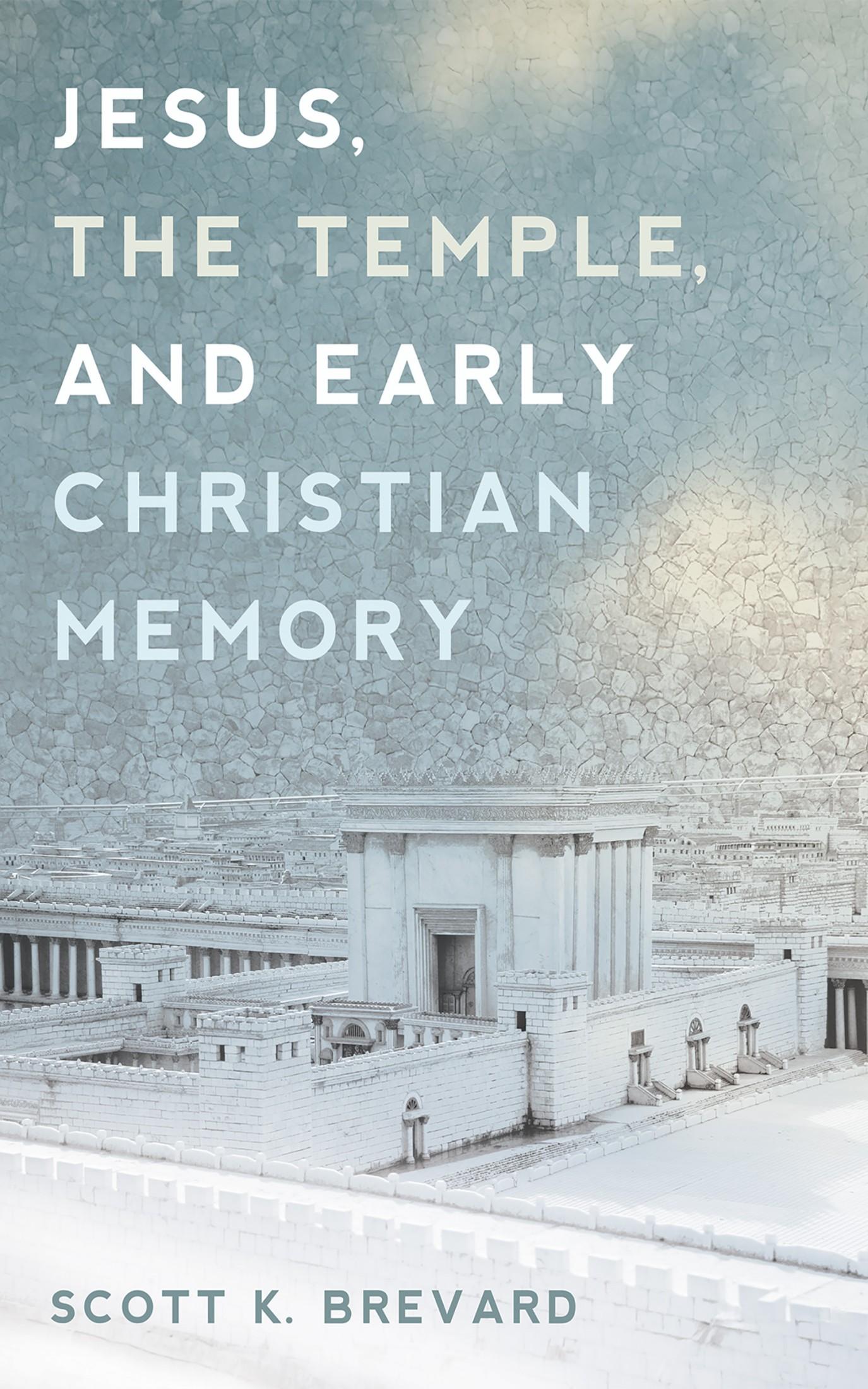
Jewish identity during the Second Temple period (515 BCE-70 CE) was complex, multifaceted, and variable, but many studies of this period treat Jewish attitudes toward one key feature--the Jerusalem temple--as simple and uniform. Brevard aims to complicate this notion by examining early Christian traditions of Jesus's relationship with the temple. Early Christian memory constructed, transformed, and transmitted traditions about the past into their present contexts. Examining early Christian memory, as represented by canonical and noncanonical gospel traditions in the first three centuries CE, allows scholars to ask how certain figures, institutions, or beliefs were remembered and represented, as well as to posit theories as to why memories were constructed in particular ways and how these memories related to their contemporary historical and social frameworks. Early Christians remembered Jesus as having a complex relationship with the Jerusalem temple, and these early Christian traditions of Jesus impacted their own contemporary worldviews. This complicated relationship with the temple, however, was not a new phenomenon but one that was already familiar to those constructing, experiencing, remembering, and transmitting their Jewish identity throughout the diaspora world in the Second Temple period.
Betal nemt med kort, Klarna, Apple Pay eller Google Pay. Ikke tilfreds? Du har altid 14 dages fortrydelsesret. Læs mere i vores vilkår. Har du spørgsmål, så send os en mail på hello@memmo.org.
Memmo gør det nemmere at studere – uanset hvor du er i verden. Hos os samler du dine kursusbøger og smarte studieværktøjer ét sted: resuméer, quizzer, podcasts og flashcards. Og så er der Ted, din studieven, der svarer på alt, du undrer dig over. Over 50 000 studerende studerer allerede her – bygget til at hjælpe dig med at lære hurtigere og stresse mindre.
Du kan måske også lide
Køb bogen0