
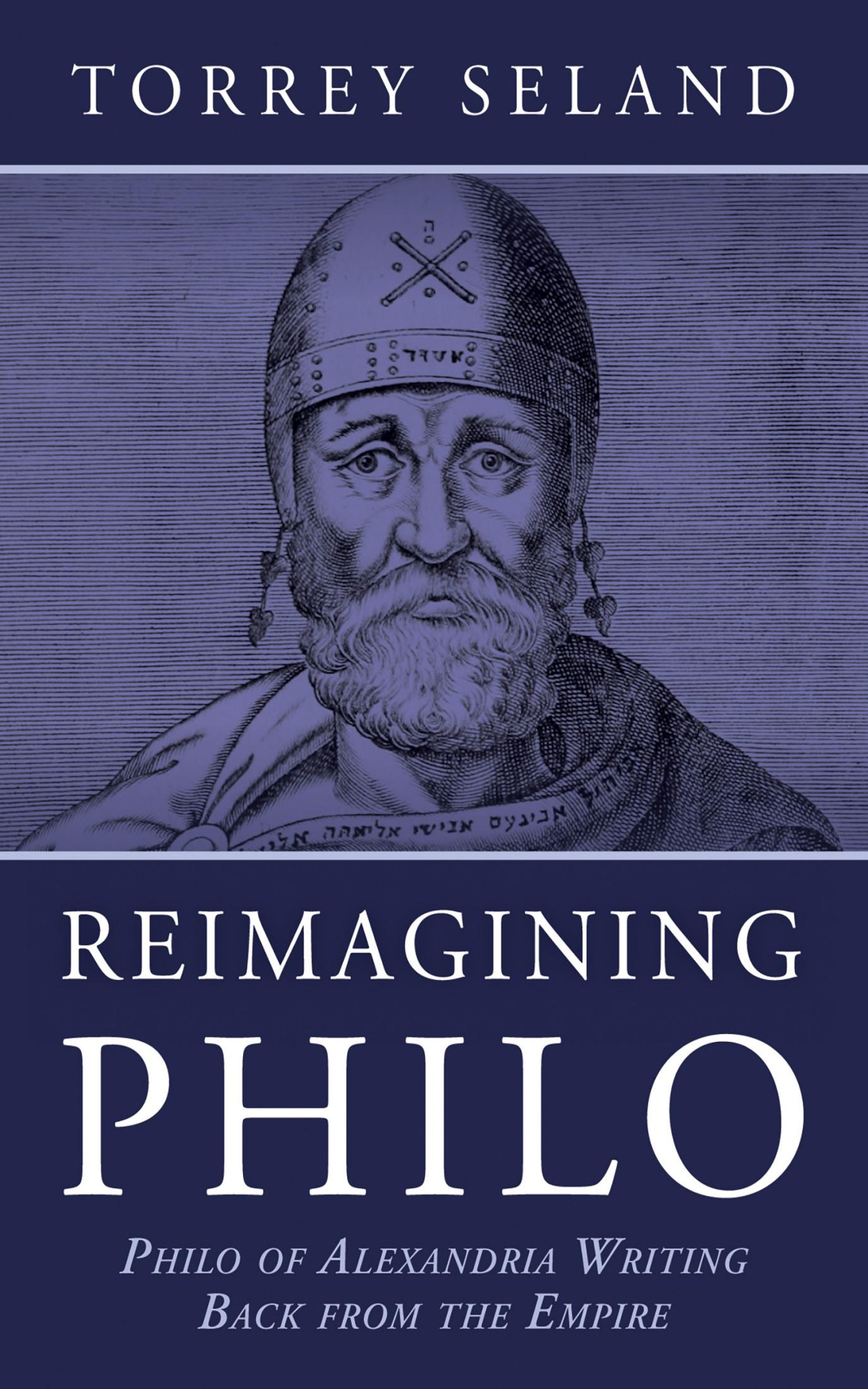
Reimagining Philo adopts an experimental approach in multiple respects. Some readers might question the use of postcolonial theories and viewpoints in examining Philo of Alexandria: Is Philo not to be regarded as one of the most integrated Jews living outside of Judea? Is he not typically described as the first-century Jewish thinker most affected by Greco-Roman intellectual traditions, a versatile philosopher significantly influenced by various schools of thought--Platonism, Stoicism, and Epicureanism, among the most notable? While the impact of philosophical schools on Philo is unquestionable, it would be inaccurate to define his primary intellectual identity solely from this perspective. Philo was also a committed follower of Judaism. So he should be comprehended as a Torah observant Jew, a Jewish scholar, a politician, and an apologetic thinker and writer, interacting with various intellectual trends of his era. Hence, this book aims to investigate characteristics of the Roman Empire as a colonizing force, its interactions with Jewish matters in Alexandria, and how these and other elements influenced Philo's view of the empire. A key argument suggests that Philo's perspective underwent a significant transformation following the pogrom in Alexandria in 38 CE and his visit to imperial Rome, resulting in a fresh understanding of the empire and the status and roles of the Jews within that context.
Betal nemt med kort, Klarna, Apple Pay eller Google Pay. Ikke tilfreds? Du har altid 14 dages fortrydelsesret. Læs mere i vores vilkår. Har du spørgsmål, så send os en mail på hello@memmo.org.
Memmo gør det nemmere at studere – uanset hvor du er i verden. Hos os samler du dine kursusbøger og smarte studieværktøjer ét sted: resuméer, quizzer, podcasts og flashcards. Og så er der Ted, din studieven, der svarer på alt, du undrer dig over. Over 50 000 studerende studerer allerede her – bygget til at hjælpe dig med at lære hurtigere og stresse mindre.
Du kan måske også lide
Køb bogen0