
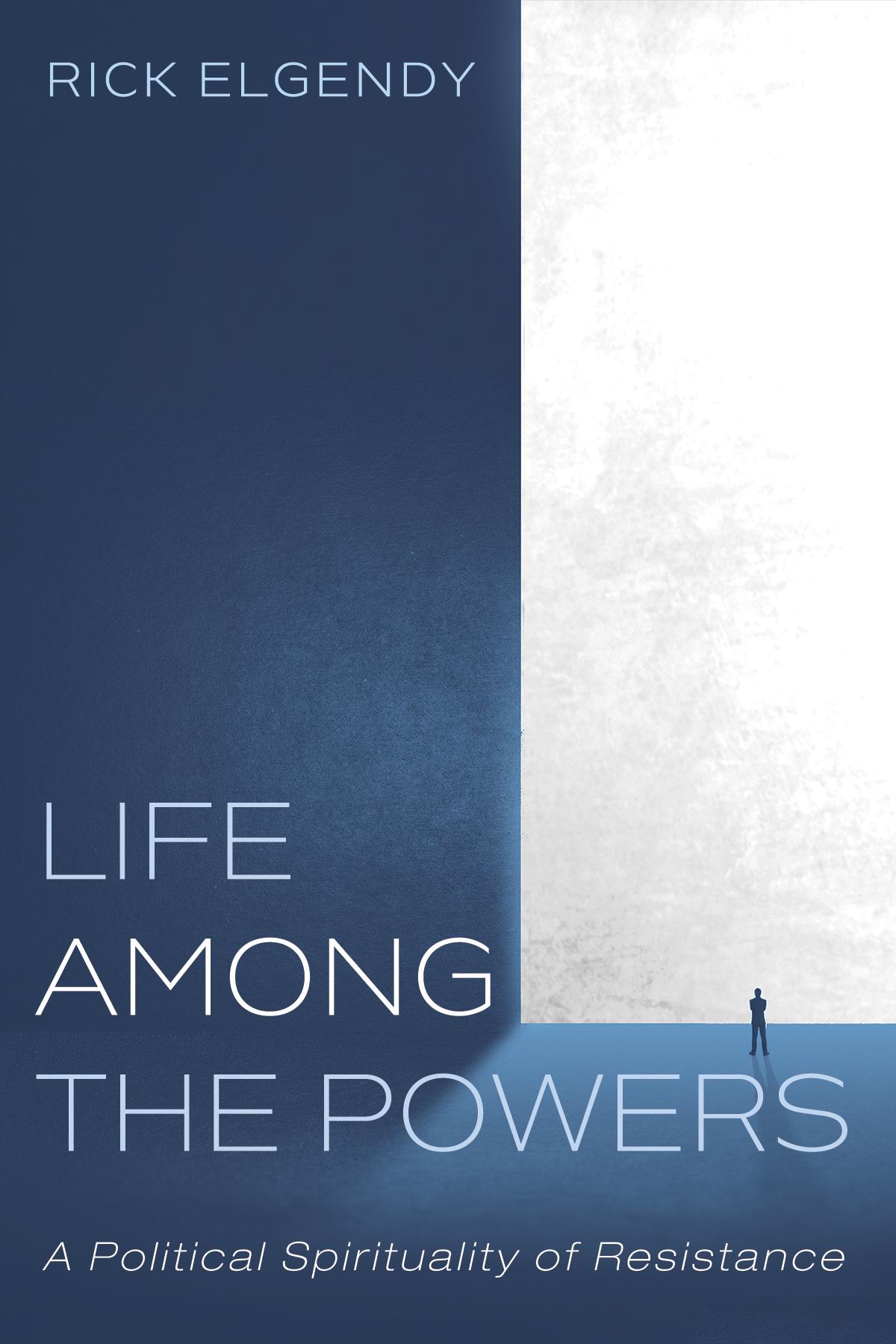
Many Christians have come to see that they live in a world marked by structural problems--legacies of racial injustice, climate change, constraining forms of gender and sexuality, to name just a few. A faithful response to these problems calls for ethical and political witness, and theologians have used the New Testament language describing the "principalities and powers" to provide just that: a picture of faith in which Christ redeems humanity from structures of power. This tradition, though, sometimes offers the hope of an "outside," ways of living in which we can be no longer complicit with the powers. This book pushes this conversation further, seeking a theological understanding--and the spirituality that lives within it--of how we are implicated in such structures, what we are called to do to resist their harms, and who we might still become. Along the way, it reads together unlikely fellow-travelers Karl Barth and Michel Foucault to argue that while our complicity with the powers is inescapable, we can still live meaningfully different, movingly faithful lives that challenge the forms of the world that we believe are passing away.
Betal nemt med kort, Klarna, Apple Pay eller Google Pay. Ikke tilfreds? Du har altid 14 dages fortrydelsesret. Læs mere i vores vilkår. Har du spørgsmål, så send os en mail på hello@memmo.org.
Memmo gør det nemmere at studere – uanset hvor du er i verden. Hos os samler du dine kursusbøger og smarte studieværktøjer ét sted: resuméer, quizzer, podcasts og flashcards. Og så er der Ted, din studieven, der svarer på alt, du undrer dig over. Over 50 000 studerende studerer allerede her – bygget til at hjælpe dig med at lære hurtigere og stresse mindre.
Du kan måske også lide
Køb bogen0