
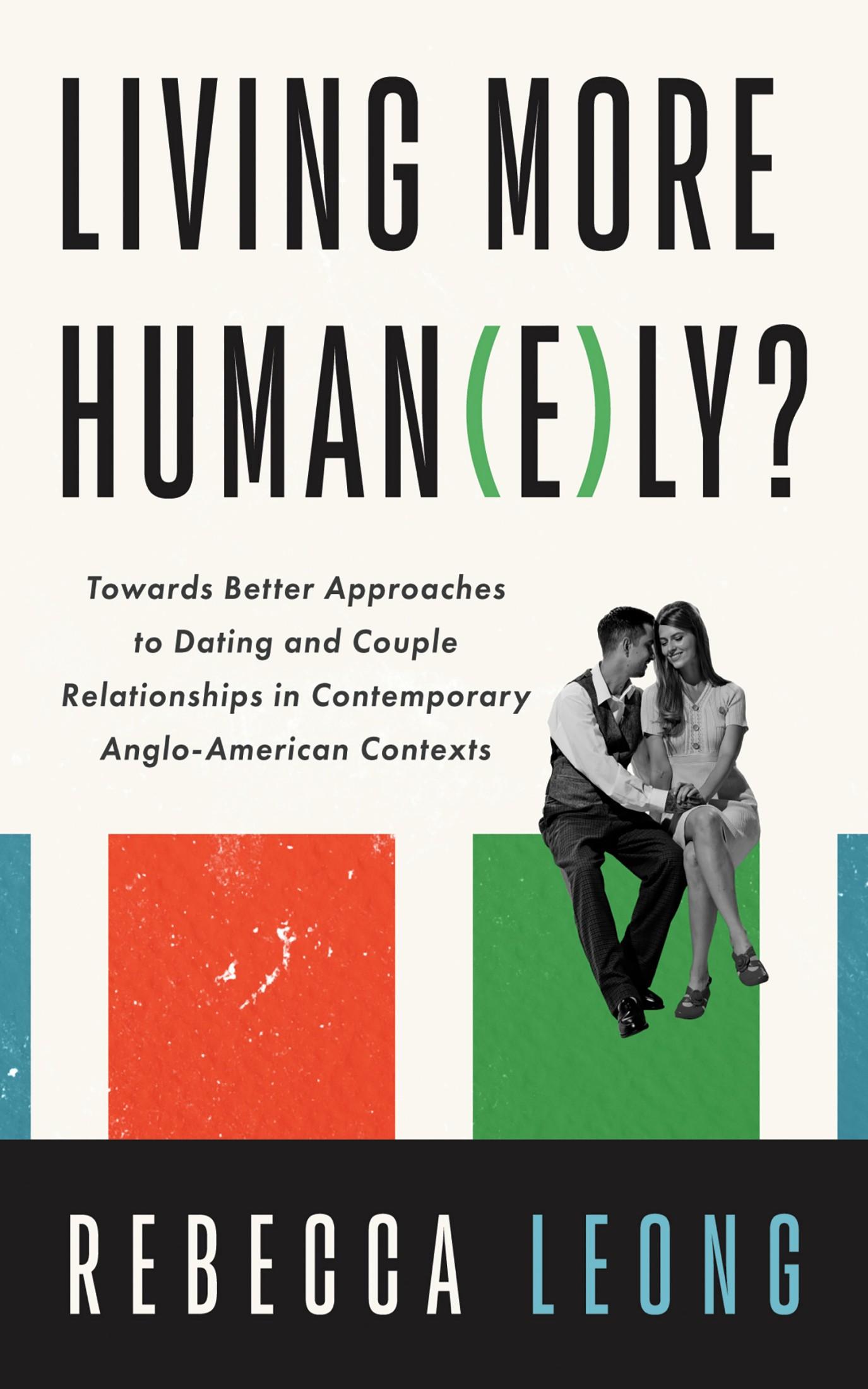
Does it really matter who one chooses to marry and how one makes a choice as to who to marry, or is it basically true that "you always marry the wrong person"? Was Jane Austen right in her portrayals of couples marrying for "love," for "comfort," or for both? What about arranged marriages? Does "the one" exist? How about soulmates?
Will getting involved in casual sex or "hook-up culture" affect one's chances of eventually realizing "happy lifelong monogamy"? Are promoters of "purity culture" basically right that their approach will help lead to happy, lasting marriages? Can there be a way forward through the culture wars? Are dating apps any good?
Virtue ethics is sometimes drawn upon for a dependable approach to couple relationships. But what does this approach consist of, and which "virtues" (as there are potentially very many) should one focus on, particularly when navigating dating culture in contemporary contexts?
What light might theology, history, and the human sciences (including sociology and psychology) shed on these matters? Rebecca Leong offers findings from wide-ranging interdisciplinary studies that address these questions (and more), in the process developing a five-fold ethic and further building blocks for better approaches to dating in contemporary contexts.
Betal nemt med kort, Klarna, Apple Pay eller Google Pay. Ikke tilfreds? Du har altid 14 dages fortrydelsesret. Læs mere i vores vilkår. Har du spørgsmål, så send os en mail på hello@memmo.org.
Memmo gør det nemmere at studere – uanset hvor du er i verden. Hos os samler du dine kursusbøger og smarte studieværktøjer ét sted: resuméer, quizzer, podcasts og flashcards. Og så er der Ted, din studieven, der svarer på alt, du undrer dig over. Over 50 000 studerende studerer allerede her – bygget til at hjælpe dig med at lære hurtigere og stresse mindre.
Du kan måske også lide
Køb bogen0