
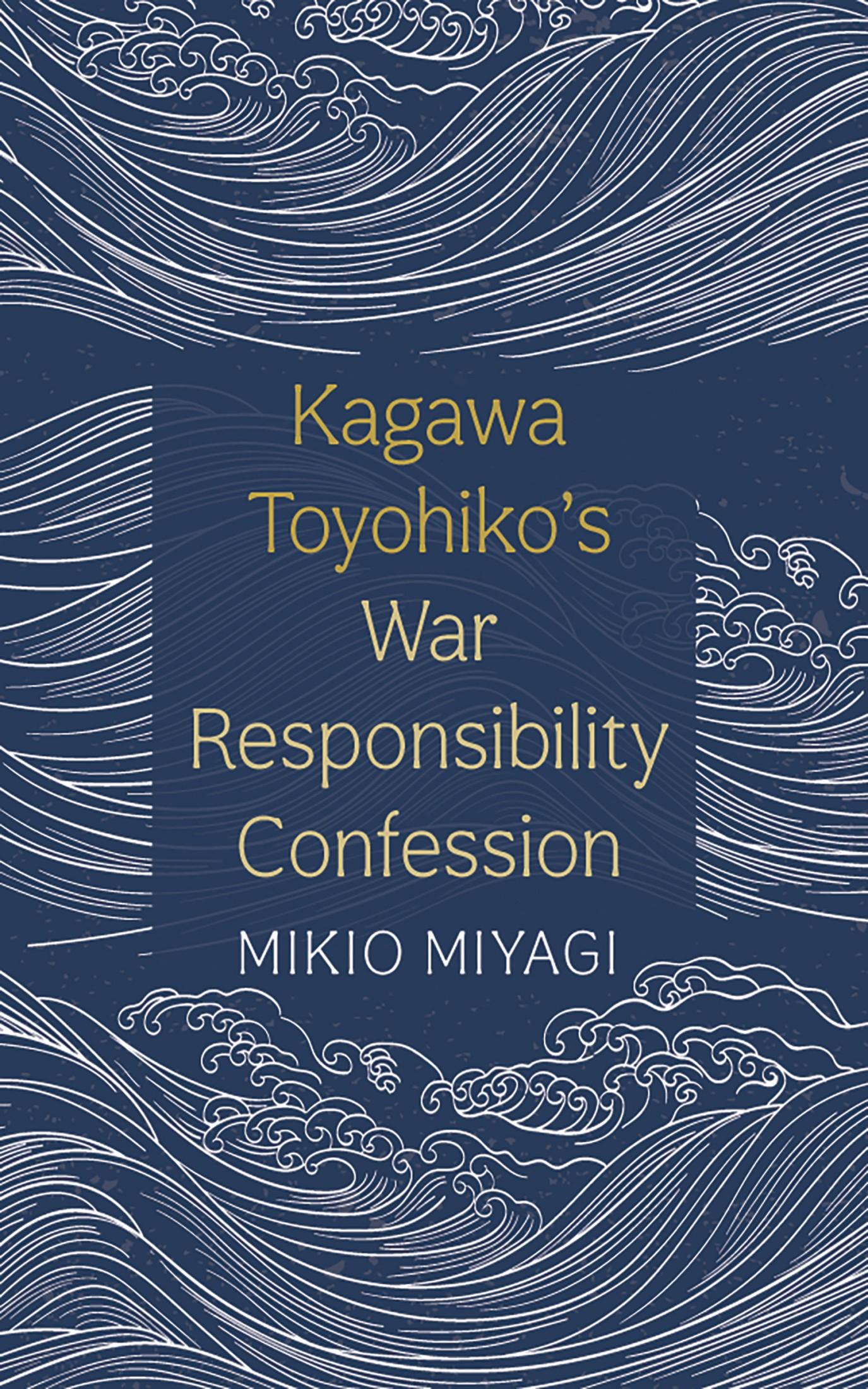
Kagawa Toyohiko (賀川豊彦1888-1960) is well-known as a Japanese Christian leader due to his sacrificial commitment to social reforms for the underprivileged, establishing cooperatives and unions for industrial workers, fishermen, and farmers, as well as supporting credit cooperatives, hospital cooperatives, and other social organizations. He reformed society to eliminate an inequitable commonwealth based on his theology of redemptive love through brotherhood economics. Though during the Pacific War he advised the independence and freedom of the Far East states and sought to see his Christian idea of brotherhood economics applied to Asian states (Greater East Asia Co-Prosperity), after the war he hoped worldwide organizations such as the United Nations would adopt it, as he was convinced that economic partiality caused a worldwide conflict. His war responsibility is embedded in the gap between his Christian brotherhood economic theory and the state authorities of this world which put the highest priority on their states' interests, even sacrificing the poor state. Thus, Kagawa felt responsibility for the war as he did not have enough influence to stop it.
Betal nemt med kort, Klarna, Apple Pay eller Google Pay. Ikke tilfreds? Du har altid 14 dages fortrydelsesret. Læs mere i vores vilkår. Har du spørgsmål, så send os en mail på hello@memmo.org.
Memmo gør det nemmere at studere – uanset hvor du er i verden. Hos os samler du dine kursusbøger og smarte studieværktøjer ét sted: resuméer, quizzer, podcasts og flashcards. Og så er der Ted, din studieven, der svarer på alt, du undrer dig over. Over 50 000 studerende studerer allerede her – bygget til at hjælpe dig med at lære hurtigere og stresse mindre.
Du kan måske også lide
Køb bogen0