
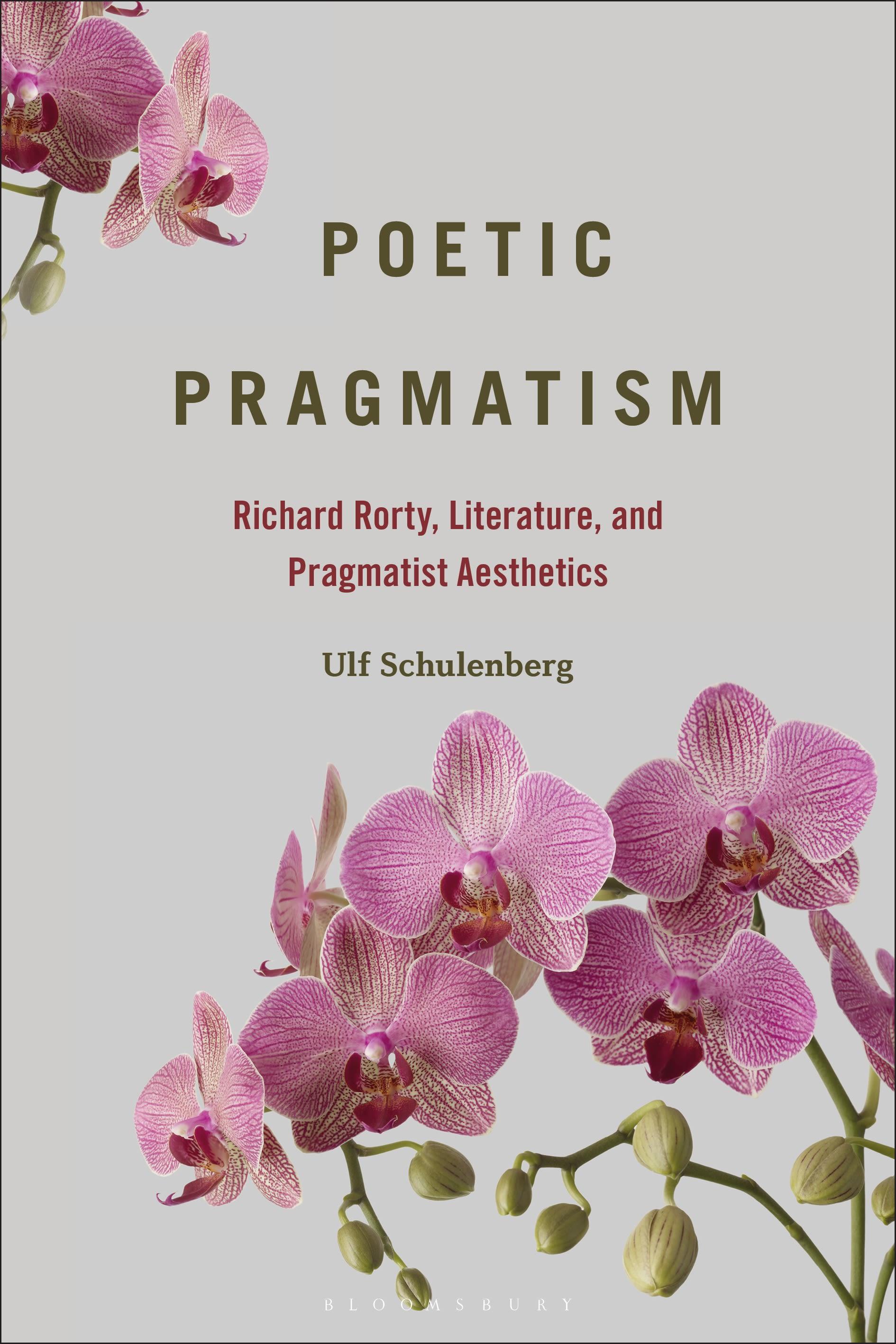
The first detailed discussion of Richard Rorty's understanding of literature and aesthetics, which engages with a broad range of writers, including Emerson, Nietzsche, and Proust.
For most of his career, at least since the publication of Philosophy and the Mirror of Nature in 1979, Richard Rorty called his readers' attention to the importance of the poet's work. Indeed, Ulf Schulenberg argues that Rorty's version of pragmatism should be regarded as a poetic pragmatism, since it elucidates the significance of poetic agency, human creativity, and idiosyncratic acts of poiesis for the development of mankind, constantly stressing – in a clearly Romantic gesture – the power of the imagination.
Poetic Pragmatism explains why one should speak of Rorty's poetic pragmatism and what makes it poetic. In readings of writers such as Whitman, Nietzsche, Nabokov, and Kundera through and alongside Rorty, Schulenberg also offers the first detailed discussion of Rorty's understanding of literature and aesthetics and illuminates the role of Rorty's anti-authoritarianism, focusing in particular on the anti-authoritarian potential of aesthetic form.
Poetic Pragmatism suggests that in a Rortyan poeticized culture the development from religion (God) to philosophy (Truth) to literature (imagination, novelty, plurality, redescription) is an anti-authoritarian and humanist story of increasing self-reliance and self-creation, a development from finding to making that is central to Rorty's pragmatism.
For most of his career, at least since the publication of Philosophy and the Mirror of Nature in 1979, Richard Rorty called his readers' attention to the importance of the poet's work. Indeed, Ulf Schulenberg argues that Rorty's version of pragmatism should be regarded as a poetic pragmatism, since it elucidates the significance of poetic agency, human creativity, and idiosyncratic acts of poiesis for the development of mankind, constantly stressing – in a clearly Romantic gesture – the power of the imagination.
Poetic Pragmatism explains why one should speak of Rorty's poetic pragmatism and what makes it poetic. In readings of writers such as Whitman, Nietzsche, Nabokov, and Kundera through and alongside Rorty, Schulenberg also offers the first detailed discussion of Rorty's understanding of literature and aesthetics and illuminates the role of Rorty's anti-authoritarianism, focusing in particular on the anti-authoritarian potential of aesthetic form.
Poetic Pragmatism suggests that in a Rortyan poeticized culture the development from religion (God) to philosophy (Truth) to literature (imagination, novelty, plurality, redescription) is an anti-authoritarian and humanist story of increasing self-reliance and self-creation, a development from finding to making that is central to Rorty's pragmatism.
Betal nemt med kort, Klarna, Apple Pay eller Google Pay. Ikke tilfreds? Du har altid 14 dages fortrydelsesret. Læs mere i vores vilkår. Har du spørgsmål, så send os en mail på hello@memmo.org.
Memmo gør det nemmere at studere – uanset hvor du er i verden. Hos os samler du dine kursusbøger og smarte studieværktøjer ét sted: resuméer, quizzer, podcasts og flashcards. Og så er der Ted, din studieven, der svarer på alt, du undrer dig over. Over 50 000 studerende studerer allerede her – bygget til at hjælpe dig med at lære hurtigere og stresse mindre.