
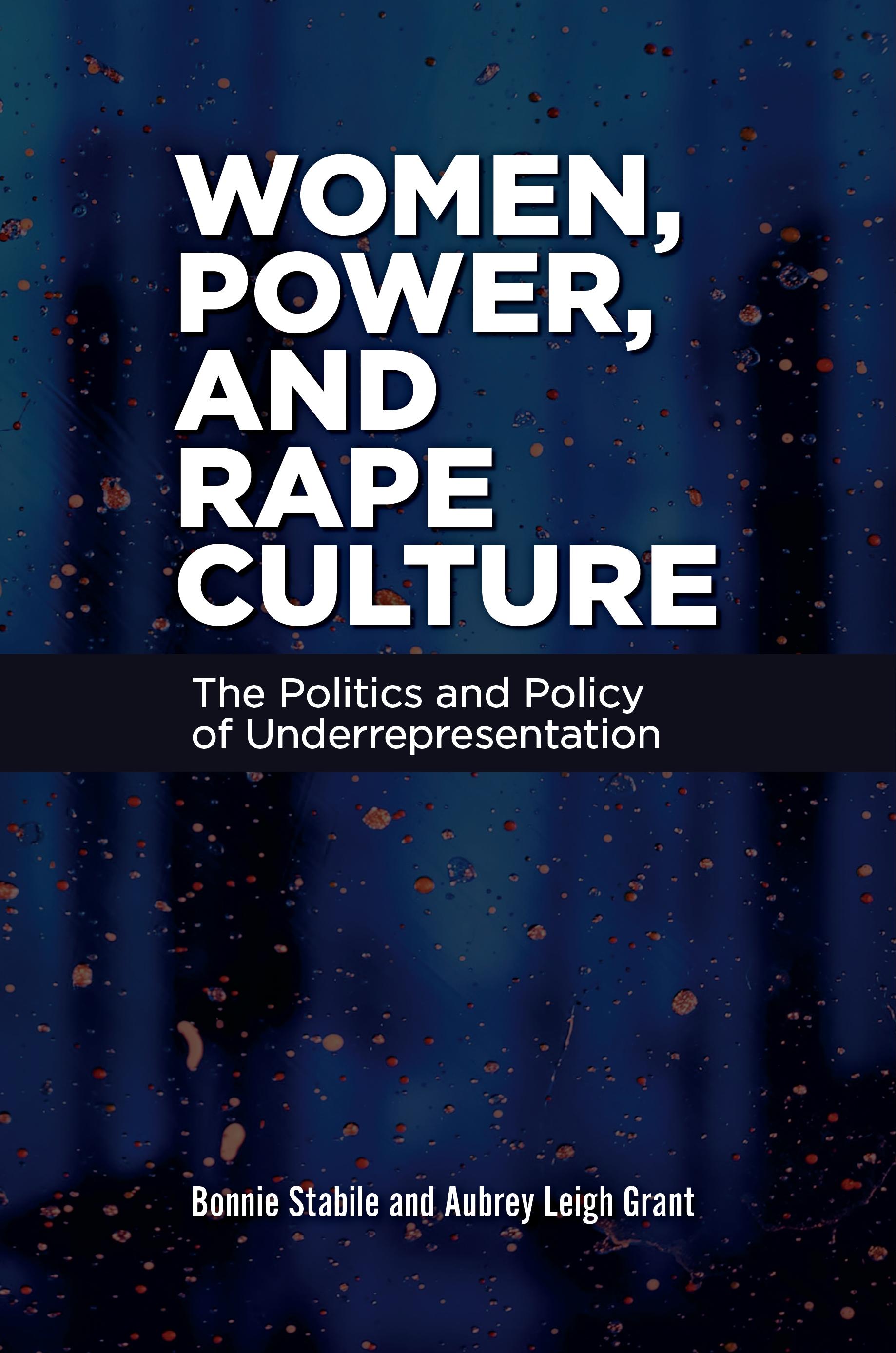
Focusing on how rape, sexual assault, and harassment relate to underrepresentation of women in public authority, this book provides an insightful exploration of the policy context that impedes women's advancement to positions of power.
The election of Donald Trump precipitated one of the largest outpourings of political protest on a single day in U.S. history with the 2017 March for Women. The emboldened #MeToo and #TimesUp movements reacted not only to the historical injustice of sexual offenses perpetrated upon women but also to women's associated underrepresentation in positions of power and public authority.
Women, Power, and Rape Culture examines the principal events, actors, and paradigms in the politics of rape, sexual assault, and harassment since Trump's election. Unlike other studies, it connects these traumatic events to women's underrepresentation in the public sphere. Chapters consider the power of presidential speech, judges, and Congress to create structural barriers to women's representation as well as the stultifying effects of weak college and university responses to sexual violence. Disparities in women's representation in positions of public authority are considered in light of the disproportionate burden imposed on women by a culture that discounts the prevalence of rape and harassment and by the policies that inadequately address them, allowing them to perpetuate.
The election of Donald Trump precipitated one of the largest outpourings of political protest on a single day in U.S. history with the 2017 March for Women. The emboldened #MeToo and #TimesUp movements reacted not only to the historical injustice of sexual offenses perpetrated upon women but also to women's associated underrepresentation in positions of power and public authority.
Women, Power, and Rape Culture examines the principal events, actors, and paradigms in the politics of rape, sexual assault, and harassment since Trump's election. Unlike other studies, it connects these traumatic events to women's underrepresentation in the public sphere. Chapters consider the power of presidential speech, judges, and Congress to create structural barriers to women's representation as well as the stultifying effects of weak college and university responses to sexual violence. Disparities in women's representation in positions of public authority are considered in light of the disproportionate burden imposed on women by a culture that discounts the prevalence of rape and harassment and by the policies that inadequately address them, allowing them to perpetuate.
Betal nemt med kort, Klarna, Apple Pay eller Google Pay. Ikke tilfreds? Du har altid 14 dages fortrydelsesret. Læs mere i vores vilkår. Har du spørgsmål, så send os en mail på hello@memmo.org.
Memmo gør det nemmere at studere – uanset hvor du er i verden. Hos os samler du dine kursusbøger og smarte studieværktøjer ét sted: resuméer, quizzer, podcasts og flashcards. Og så er der Ted, din studieven, der svarer på alt, du undrer dig over. Over 50 000 studerende studerer allerede her – bygget til at hjælpe dig med at lære hurtigere og stresse mindre.