
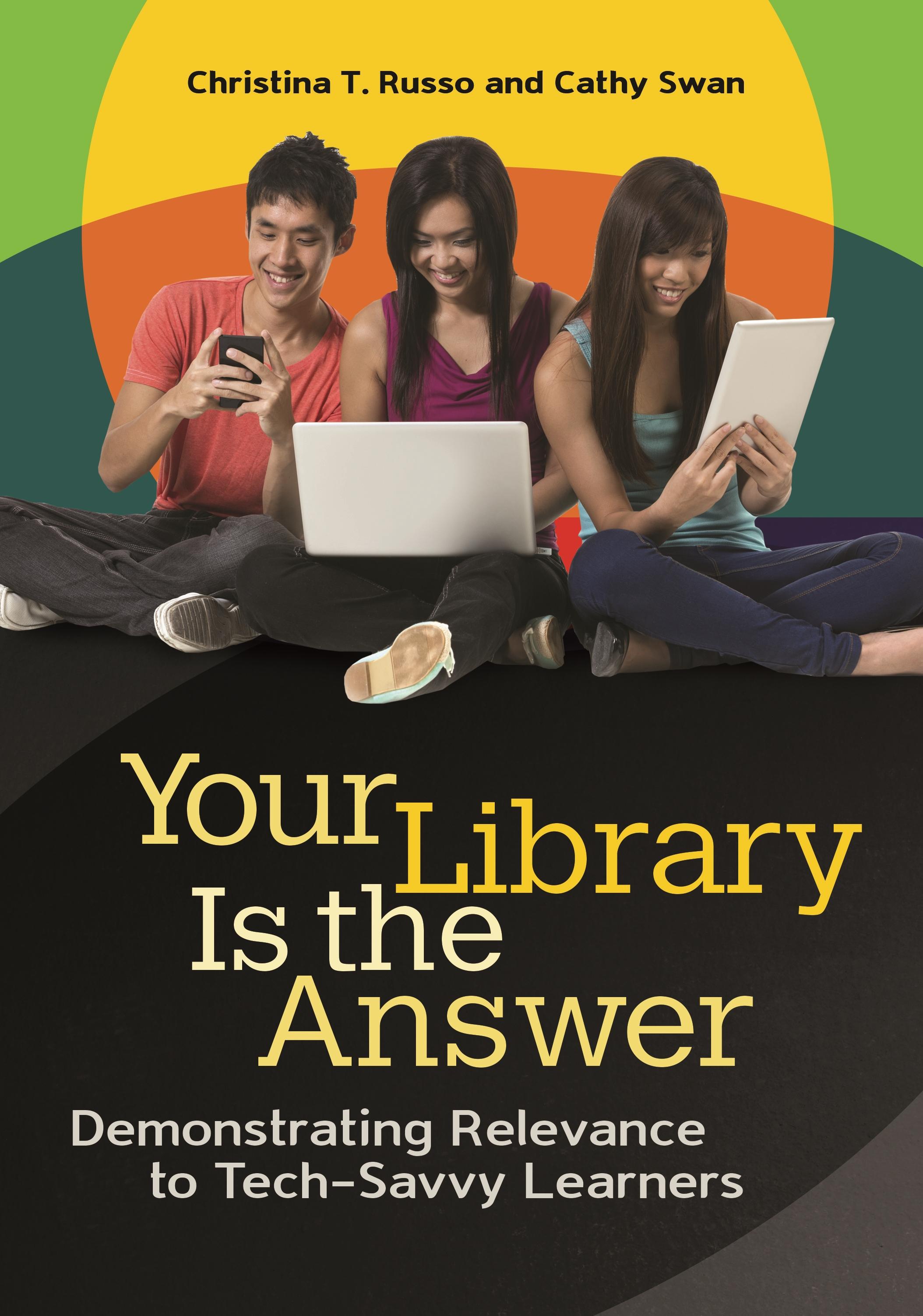
Today's tech-savvy and digitally connected students present a new challenge for today's school librarians. This book offers the 21st-century tools and know-how necessary for educators to appeal to and challenge students to learn—and to want to learn.
What are the best ways to motivate students to become engaged and develop a passion for learning? Can appealing to their desire for socialization and constant communication—attributes of their lives outside of education—via the integration of cutting-edge technologies and "new media" in the library or classroom serve to ignite creativity, curiosity, and critical thinking? This book shows how you can make use of non-traditional tools such as popular social networks, collaborative technologies, and cloud computing to teach information and communications technologies integrated with the school curriculum to improve student learning—and demonstrates how these same technologies can help you measure skills and mastery learning.
The book provides an easy-to-follow blueprint for using collaborative techniques, innovation, and teaching for creativity to achieve the new learning paradigm of self-directed learning, such as flipping the classroom or library. Readers of this book will find concrete, step-by-step examples of proven lesson plans, collaborative models, and time-saving strategies for the successful integration of American Association of School Librarians (AASL) standards. The authors—both award-winning teachers—explain the quantitatively and qualitatively measurable educational value of using these technologies for core curricular and information and communications technologies instruction, showing that they both enhance student learning outcomes and provide data for measuring their impact on learning.
What are the best ways to motivate students to become engaged and develop a passion for learning? Can appealing to their desire for socialization and constant communication—attributes of their lives outside of education—via the integration of cutting-edge technologies and "new media" in the library or classroom serve to ignite creativity, curiosity, and critical thinking? This book shows how you can make use of non-traditional tools such as popular social networks, collaborative technologies, and cloud computing to teach information and communications technologies integrated with the school curriculum to improve student learning—and demonstrates how these same technologies can help you measure skills and mastery learning.
The book provides an easy-to-follow blueprint for using collaborative techniques, innovation, and teaching for creativity to achieve the new learning paradigm of self-directed learning, such as flipping the classroom or library. Readers of this book will find concrete, step-by-step examples of proven lesson plans, collaborative models, and time-saving strategies for the successful integration of American Association of School Librarians (AASL) standards. The authors—both award-winning teachers—explain the quantitatively and qualitatively measurable educational value of using these technologies for core curricular and information and communications technologies instruction, showing that they both enhance student learning outcomes and provide data for measuring their impact on learning.
Betal nemt med kort, Klarna, Apple Pay eller Google Pay. Ikke tilfreds? Du har altid 14 dages fortrydelsesret. Læs mere i vores vilkår. Har du spørgsmål, så send os en mail på hello@memmo.org.
Memmo gør det nemmere at studere – uanset hvor du er i verden. Hos os samler du dine kursusbøger og smarte studieværktøjer ét sted: resuméer, quizzer, podcasts og flashcards. Og så er der Ted, din studieven, der svarer på alt, du undrer dig over. Over 50 000 studerende studerer allerede her – bygget til at hjælpe dig med at lære hurtigere og stresse mindre.