
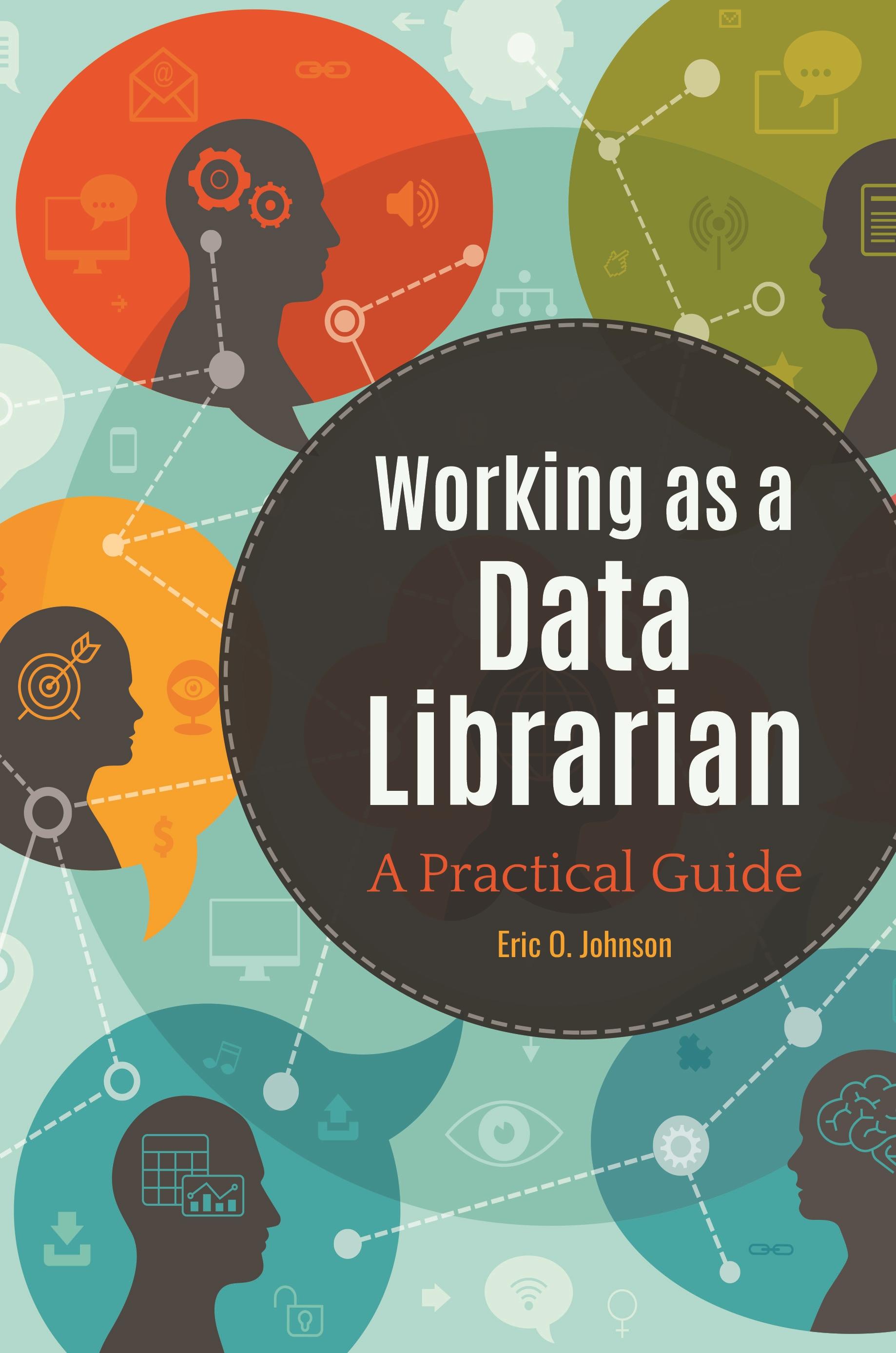
Many librarians' job responsibilities increasingly require them to understand and handle data. Learn how to be an effective data librarian—even if you never expected to need data skills.
The field of data librarianship is rapidly growing, and some librarians may feel that their training and experience does not cover data questions asked by patrons seeking advice. With this gentle guide for librarians moving—sometimes unexpectedly—into the world of data librarianship, all you need is a willingness to learn the skills required for the rapidly growing number of jobs requiring data librarianship.
Working as a Data Librarian focuses on transferable skills and understanding and does not assume extensive knowledge. It introduces tasks and concepts needed to be an effective data librarian, such as best practices for data reference interviewing, finding data sources, data visualization, data literacy, the data lifecycle, metadata design, database design, understanding data management, and preparing data management plans.
Additional sections focus on supporting creativity (Makerspaces and Fablabs, 3-D modeling), supporting analysis (GIS, data visualization, text mining, statistical methods), supporting research (digital scholarship, digital preservation, institutional data repositories, scholarly communication), and outreach (data librarian liaisonship, hackathons, developing outreach programs).
The field of data librarianship is rapidly growing, and some librarians may feel that their training and experience does not cover data questions asked by patrons seeking advice. With this gentle guide for librarians moving—sometimes unexpectedly—into the world of data librarianship, all you need is a willingness to learn the skills required for the rapidly growing number of jobs requiring data librarianship.
Working as a Data Librarian focuses on transferable skills and understanding and does not assume extensive knowledge. It introduces tasks and concepts needed to be an effective data librarian, such as best practices for data reference interviewing, finding data sources, data visualization, data literacy, the data lifecycle, metadata design, database design, understanding data management, and preparing data management plans.
Additional sections focus on supporting creativity (Makerspaces and Fablabs, 3-D modeling), supporting analysis (GIS, data visualization, text mining, statistical methods), supporting research (digital scholarship, digital preservation, institutional data repositories, scholarly communication), and outreach (data librarian liaisonship, hackathons, developing outreach programs).
Betal nemt med kort, Klarna, Apple Pay eller Google Pay. Ikke tilfreds? Du har altid 14 dages fortrydelsesret. Læs mere i vores vilkår. Har du spørgsmål, så send os en mail på hello@memmo.org.
Memmo gør det nemmere at studere – uanset hvor du er i verden. Hos os samler du dine kursusbøger og smarte studieværktøjer ét sted: resuméer, quizzer, podcasts og flashcards. Og så er der Ted, din studieven, der svarer på alt, du undrer dig over. Over 50 000 studerende studerer allerede her – bygget til at hjælpe dig med at lære hurtigere og stresse mindre.