
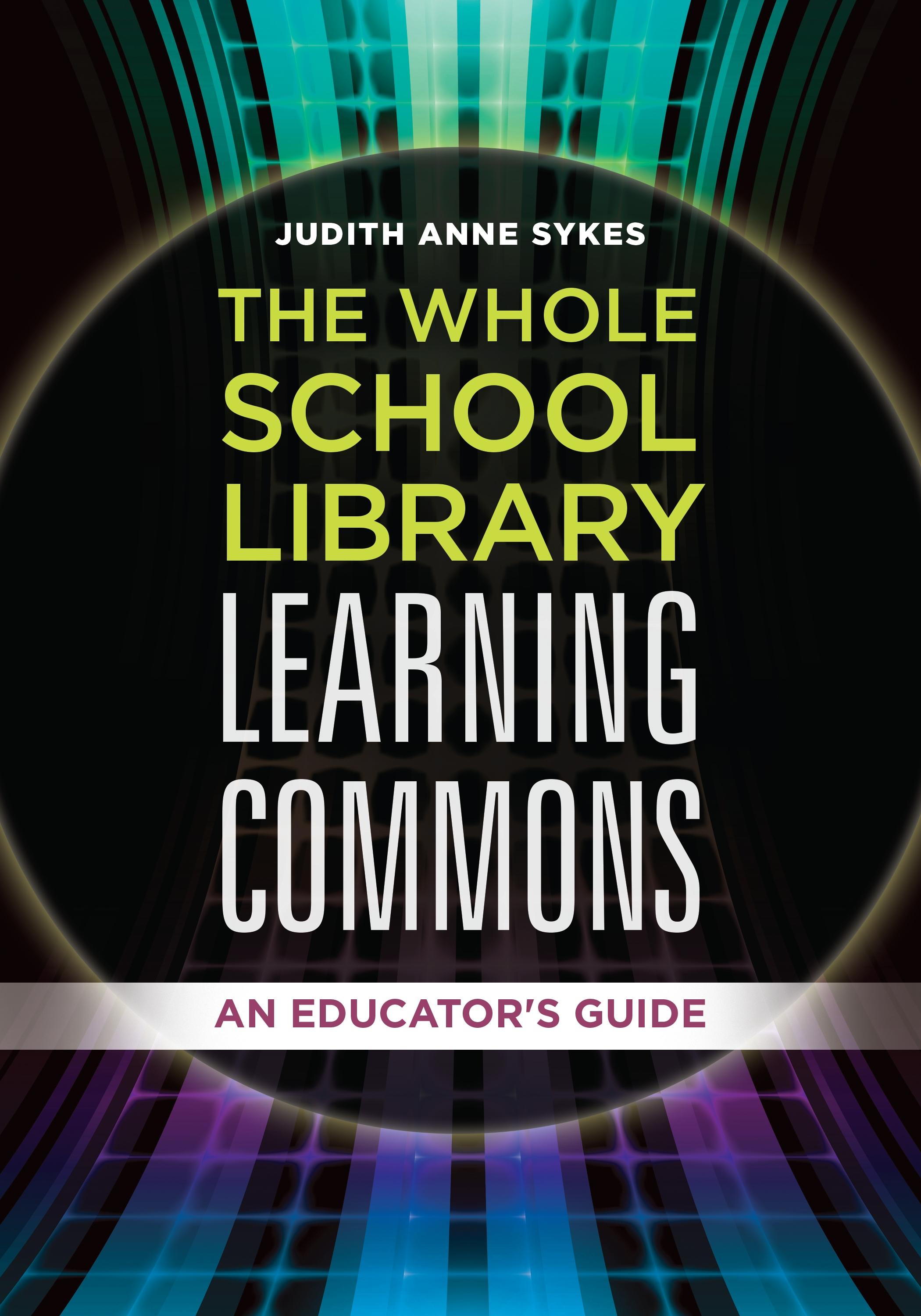
Introduce your teachers, librarians, and administrators to the roles and responsibilities of educators in advocating a whole school library learning commons using this step-by-step guide for creating shared learning space in your school.
It is no surprise that technology has shifted the way we educate—bearing on how, what, and where we learn. This guide lays the framework for helping turn your school library into a whole school library learning commons (WSLLC)—a space where traditional academics merge with the latest technologies to engage learners in a way never before realized.
Author Judith Anne Sykes contends that since the WSLLC philosophy allows staff and students to co-create knowledge in a shared space, it is more effective than the traditional approach. Sykes addresses the differences between a school library and a WSLLC, provides reasons to champion its creation in your institution, and discusses how to use mentoring as a means to sustain its survival. The book explores the roles and responsibilities of educators in developing WSLLC goals and presents strategies for using typical assessment tools—including standardized tests, report cards, and anecdotal assessments—to help support its philosophy.
It is no surprise that technology has shifted the way we educate—bearing on how, what, and where we learn. This guide lays the framework for helping turn your school library into a whole school library learning commons (WSLLC)—a space where traditional academics merge with the latest technologies to engage learners in a way never before realized.
Author Judith Anne Sykes contends that since the WSLLC philosophy allows staff and students to co-create knowledge in a shared space, it is more effective than the traditional approach. Sykes addresses the differences between a school library and a WSLLC, provides reasons to champion its creation in your institution, and discusses how to use mentoring as a means to sustain its survival. The book explores the roles and responsibilities of educators in developing WSLLC goals and presents strategies for using typical assessment tools—including standardized tests, report cards, and anecdotal assessments—to help support its philosophy.
Betal nemt med kort, Klarna, Apple Pay eller Google Pay. Ikke tilfreds? Du har altid 14 dages fortrydelsesret. Læs mere i vores vilkår. Har du spørgsmål, så send os en mail på hello@memmo.org.
Memmo gør det nemmere at studere – uanset hvor du er i verden. Hos os samler du dine kursusbøger og smarte studieværktøjer ét sted: resuméer, quizzer, podcasts og flashcards. Og så er der Ted, din studieven, der svarer på alt, du undrer dig over. Over 50 000 studerende studerer allerede her – bygget til at hjælpe dig med at lære hurtigere og stresse mindre.