
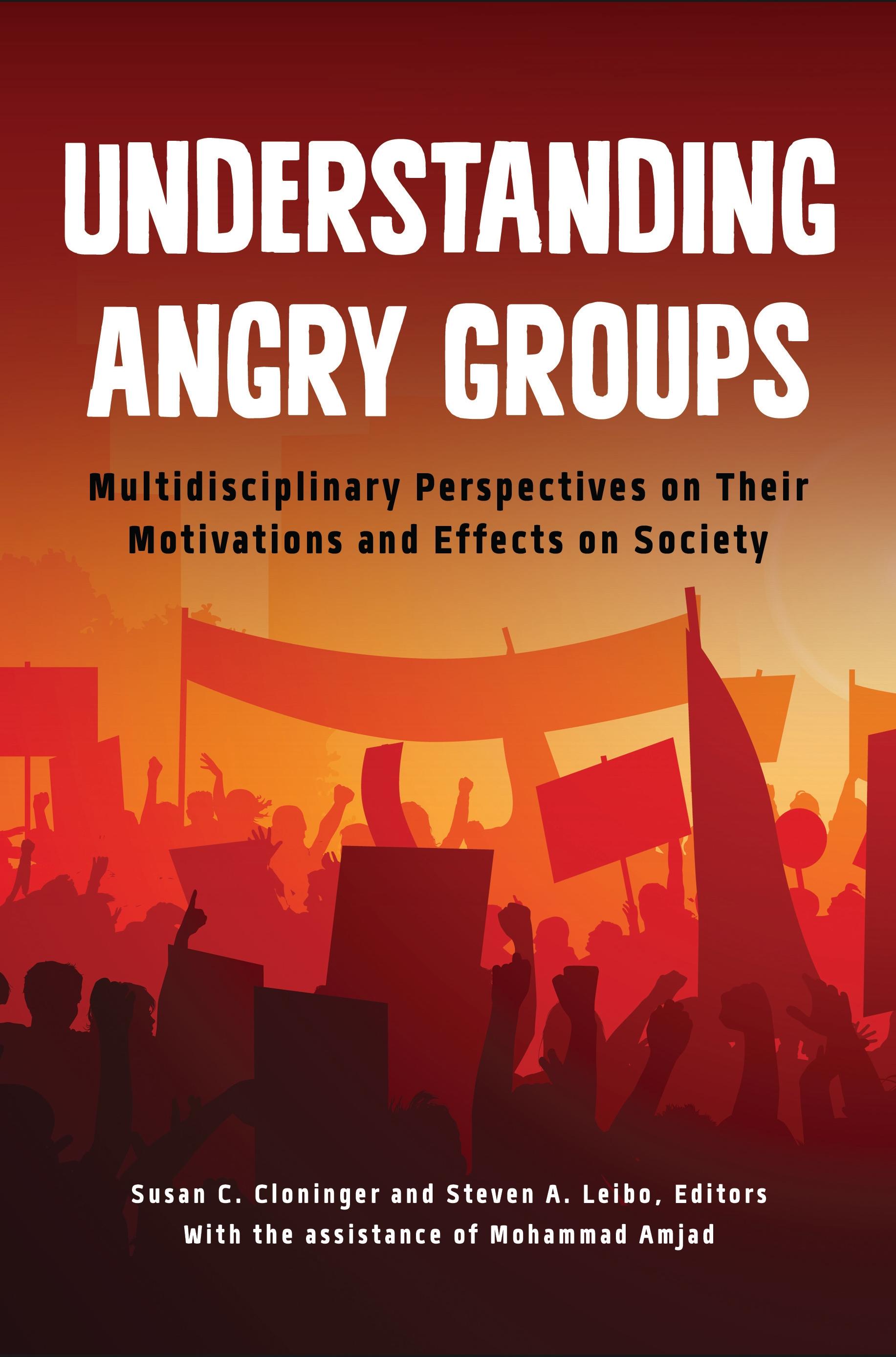
This book examines the dynamics that lead to anger in individuals, within groups, and between groups; identifies the role of the media in angry group behavior; and offers solutions for dealing with angry groups and channeling that negative energy in positive ways.
In today's society, we see angry groups in many forms—from animal rights and climate crisis activists to citizens opposed to allowing more immigrants of certain ethnicities or religions into the country, militia groups frustrated by acts of domestic terrorism and legislation that limits gun ownership and the ability to carry weapons in public, and those outraged by what they see as police brutality or the unnecessary use of deadly force against people of color.
More than just evidence of civil unrest in society, angry groups across history and nations often ultimately affect our politics and our government, for better or worse, and sometimes result in injury, bloodshed, or financial costs that hit otherwise-uninvolved taxpayers. This book demonstrates how people across our nation are involved in, affected by, or harmed by angry groups; covers historical and modern perspectives on angry groups; ands offers suggestions for predicting and influencing the expression of angry group behavior. It provides readers with an understanding of such conflicts and of their origins and dynamics that may offer insights to successful resolution, and it identifies strategies that can reduce the suffering that comes from such conflicts.
In today's society, we see angry groups in many forms—from animal rights and climate crisis activists to citizens opposed to allowing more immigrants of certain ethnicities or religions into the country, militia groups frustrated by acts of domestic terrorism and legislation that limits gun ownership and the ability to carry weapons in public, and those outraged by what they see as police brutality or the unnecessary use of deadly force against people of color.
More than just evidence of civil unrest in society, angry groups across history and nations often ultimately affect our politics and our government, for better or worse, and sometimes result in injury, bloodshed, or financial costs that hit otherwise-uninvolved taxpayers. This book demonstrates how people across our nation are involved in, affected by, or harmed by angry groups; covers historical and modern perspectives on angry groups; ands offers suggestions for predicting and influencing the expression of angry group behavior. It provides readers with an understanding of such conflicts and of their origins and dynamics that may offer insights to successful resolution, and it identifies strategies that can reduce the suffering that comes from such conflicts.
Betal nemt med kort, Klarna, Apple Pay eller Google Pay. Ikke tilfreds? Du har altid 14 dages fortrydelsesret. Læs mere i vores vilkår. Har du spørgsmål, så send os en mail på hello@memmo.org.
Memmo gør det nemmere at studere – uanset hvor du er i verden. Hos os samler du dine kursusbøger og smarte studieværktøjer ét sted: resuméer, quizzer, podcasts og flashcards. Og så er der Ted, din studieven, der svarer på alt, du undrer dig over. Over 50 000 studerende studerer allerede her – bygget til at hjælpe dig med at lære hurtigere og stresse mindre.