
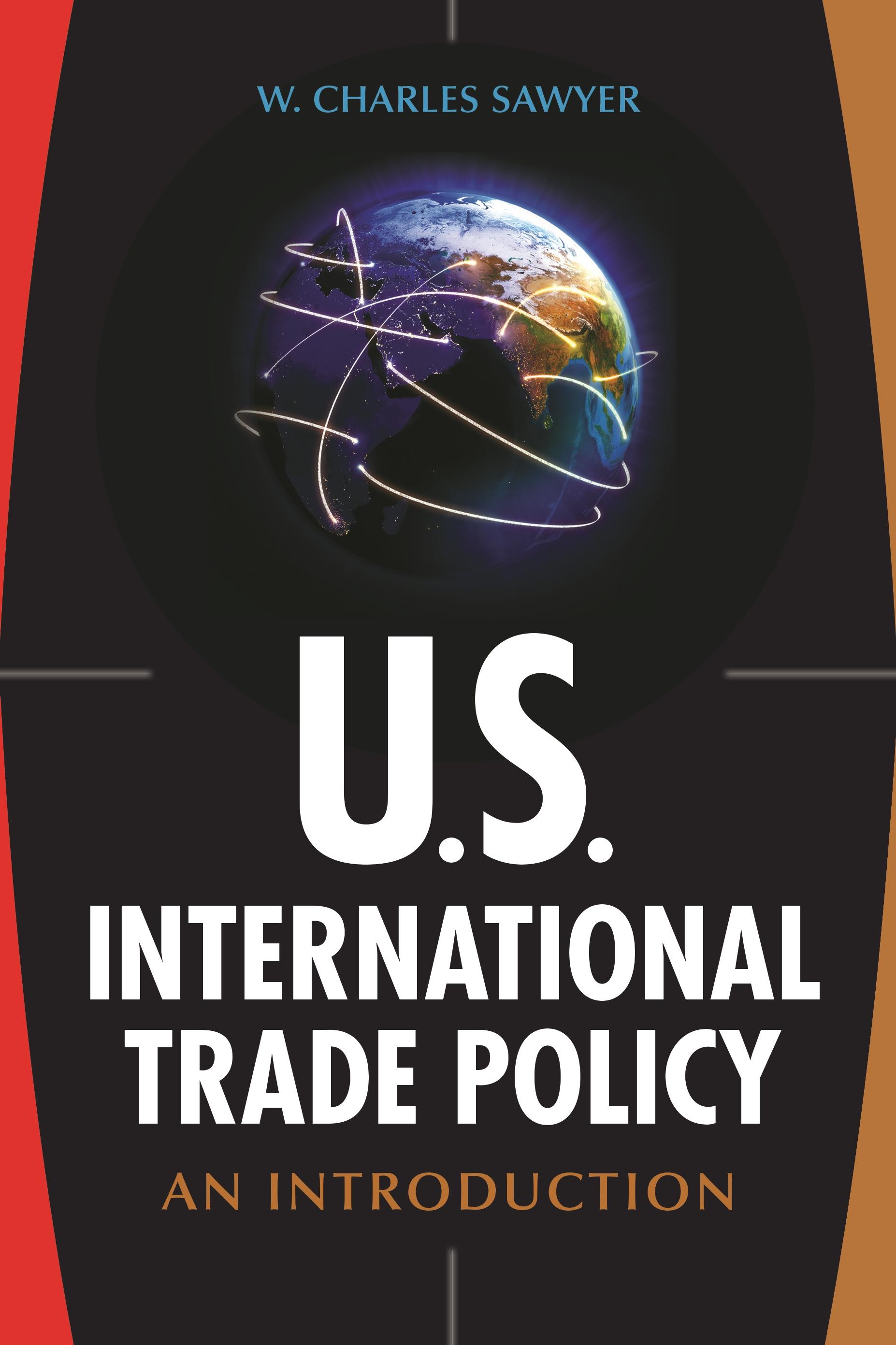
To understand trade policy, one needs to understand the basics of international economics. This book provides nonspecialists with accessible explanations of international trade, enabling readers to appreciate the importance of current events in international trade policy.
Due to the ever-increasing globalization of the U.S. economy, articles that involve international trade policy—both here and abroad—are increasingly common in publications such as The New York Times, The Wall Street Journal, and The Economist. In many cases, it is apparent that the authors of such articles lack a sound understanding of the basics of international trade policy. Similarly, many nonspecialist readers do not have the necessary background to grasp the meaning of current events in international economics. This book serves both writers and readers, providing concise, easy-to-understand overviews of the key topics necessary for journalists to write understandable articles on trade policy and for readers to understand what they are reading.
The book begins with coverage of the basic framework of international economics that readers need to grasp in order to understand trade policy. The next two sections cover the tools of trade policy and the political factors that drive their use. The author discusses the history of trade policy, describes how it has evolved over time, and explains where it is headed in the future. Readers will come away with a working understanding of topics such as balance of payments, the current account, comparative advantage, government export subsidies, the World Trade Organization (WTO), the Doha Round, the North American Free Trade Agreement (NAFTA), the European Union (EU), and the U.S. Trade Representative.
Due to the ever-increasing globalization of the U.S. economy, articles that involve international trade policy—both here and abroad—are increasingly common in publications such as The New York Times, The Wall Street Journal, and The Economist. In many cases, it is apparent that the authors of such articles lack a sound understanding of the basics of international trade policy. Similarly, many nonspecialist readers do not have the necessary background to grasp the meaning of current events in international economics. This book serves both writers and readers, providing concise, easy-to-understand overviews of the key topics necessary for journalists to write understandable articles on trade policy and for readers to understand what they are reading.
The book begins with coverage of the basic framework of international economics that readers need to grasp in order to understand trade policy. The next two sections cover the tools of trade policy and the political factors that drive their use. The author discusses the history of trade policy, describes how it has evolved over time, and explains where it is headed in the future. Readers will come away with a working understanding of topics such as balance of payments, the current account, comparative advantage, government export subsidies, the World Trade Organization (WTO), the Doha Round, the North American Free Trade Agreement (NAFTA), the European Union (EU), and the U.S. Trade Representative.
Sider: 272
Kategori: Ekonomi & Utveckling
e-ISBN: 9798216158417
Forsendelsesvægt: 1.2 kg
Sendes inden for: 1-2 dage
Betal nemt med kort, Klarna, Apple Pay eller Google Pay. Ikke tilfreds? Du har altid 14 dages fortrydelsesret. Læs mere i vores vilkår. Har du spørgsmål, så send os en mail på hello@memmo.org.
Memmo gør det nemmere at studere – uanset hvor du er i verden. Hos os samler du dine kursusbøger og smarte studieværktøjer ét sted: resuméer, quizzer, podcasts og flashcards. Og så er der Ted, din studieven, der svarer på alt, du undrer dig over. Over 50 000 studerende studerer allerede her – bygget til at hjælpe dig med at lære hurtigere og stresse mindre.