
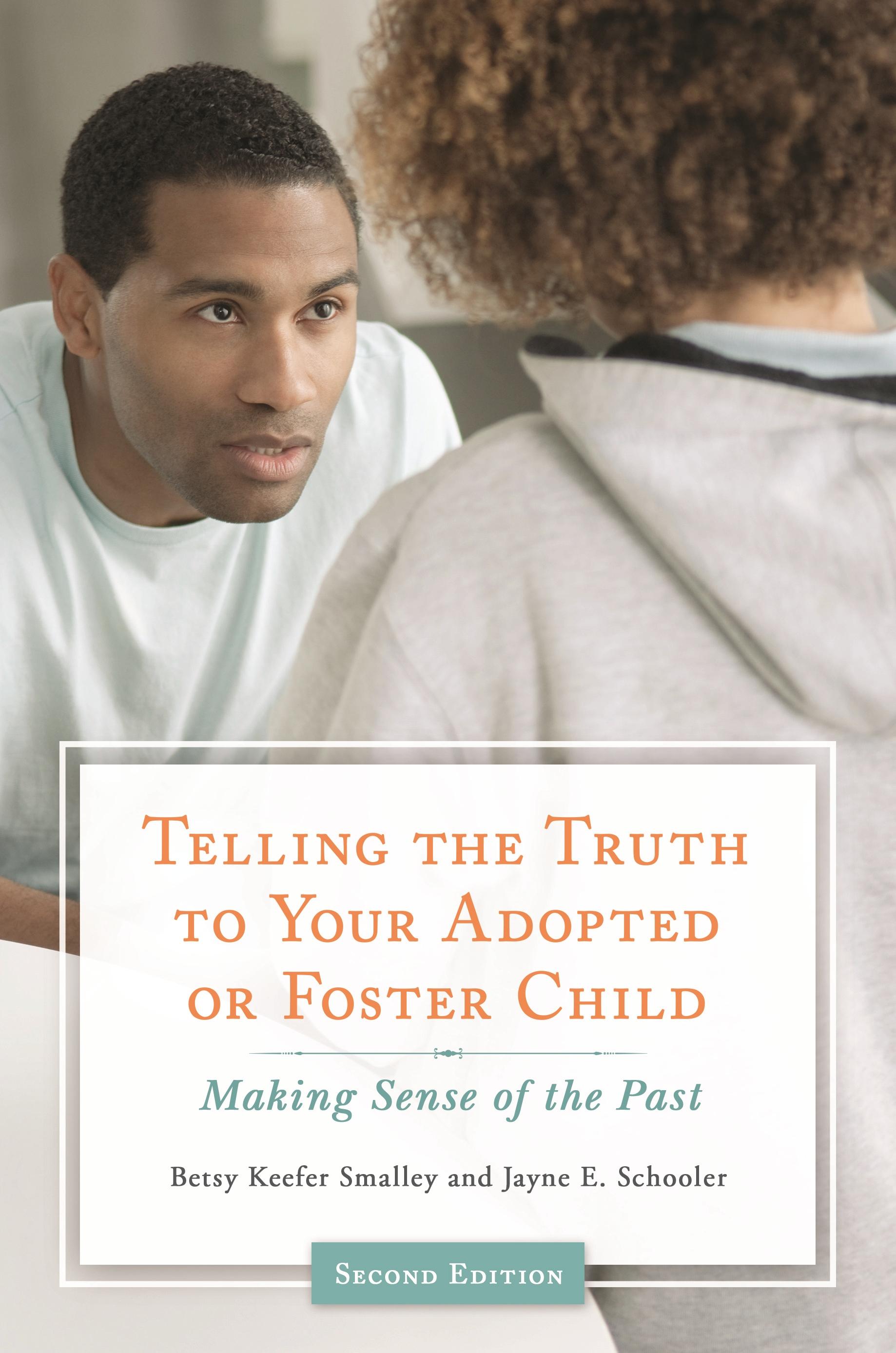
Many adopted or foster children have complex, troubling, often painful pasts. This book provides parents and professionals with sound advice on how to communicate effectively about difficult and sensitive topics, providing concrete strategies for helping adopted and foster children make sense of the past so they can enjoy a healthy, well-adjusted future.
Approximately one of every four adopted children will have adjustment challenges related to their separation from the birth family, earlier trauma, attachment difficulties, and/or issues stemming from the adoption process. Common complicating issues of adopted children are feelings of rejection, abandonment, or confusion about their origins. While many foster and adoptive parents and even many professionals are reluctant to communicate openly about birth histories, silence only adds to the child's confusion and pain.
This revised and significantly expanded edition of the award-winning Telling the Truth to Your Adopted or Foster Child equips parents with the knowledge and tools they need to communicate with their adopted or foster child about their past. Revisions include coverage of significant new research and information regarding the importance of understanding the child's trauma history to his or her well-being and successful adjustment in his foster or adoptive family.
The authors answer such questions as: How do I share difficult information about my child's adoption in a sensitive manner? When is the right time to tell my child the whole truth? How do I obtain more information on my child's history? Detailed descriptions of actual cases help the parent or caregiver find ways to discover the truth (particularly in closed and international adoption cases), organize the information, and explain the details of the past gently to a toddler, child, or young adult who may find it frightening or confusing.
Approximately one of every four adopted children will have adjustment challenges related to their separation from the birth family, earlier trauma, attachment difficulties, and/or issues stemming from the adoption process. Common complicating issues of adopted children are feelings of rejection, abandonment, or confusion about their origins. While many foster and adoptive parents and even many professionals are reluctant to communicate openly about birth histories, silence only adds to the child's confusion and pain.
This revised and significantly expanded edition of the award-winning Telling the Truth to Your Adopted or Foster Child equips parents with the knowledge and tools they need to communicate with their adopted or foster child about their past. Revisions include coverage of significant new research and information regarding the importance of understanding the child's trauma history to his or her well-being and successful adjustment in his foster or adoptive family.
The authors answer such questions as: How do I share difficult information about my child's adoption in a sensitive manner? When is the right time to tell my child the whole truth? How do I obtain more information on my child's history? Detailed descriptions of actual cases help the parent or caregiver find ways to discover the truth (particularly in closed and international adoption cases), organize the information, and explain the details of the past gently to a toddler, child, or young adult who may find it frightening or confusing.
Betal nemt med kort, Klarna, Apple Pay eller Google Pay. Ikke tilfreds? Du har altid 14 dages fortrydelsesret. Læs mere i vores vilkår. Har du spørgsmål, så send os en mail på hello@memmo.org.
Memmo gør det nemmere at studere – uanset hvor du er i verden. Hos os samler du dine kursusbøger og smarte studieværktøjer ét sted: resuméer, quizzer, podcasts og flashcards. Og så er der Ted, din studieven, der svarer på alt, du undrer dig over. Over 50 000 studerende studerer allerede her – bygget til at hjælpe dig med at lære hurtigere og stresse mindre.