
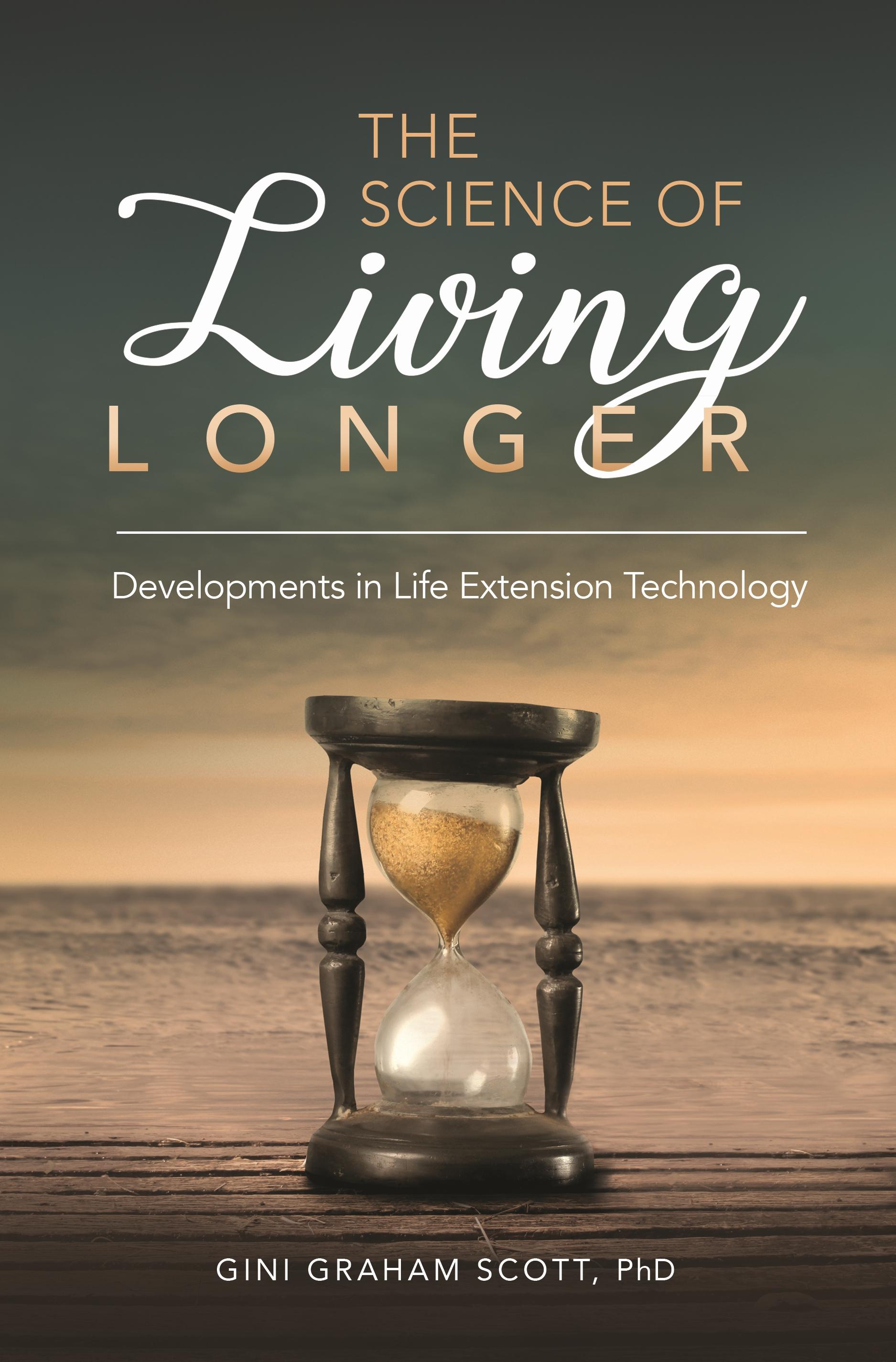
This thought-provoking book looks at humanity's quest for immortality and examines the latest research on extending one's life and possibly living forever, presenting an overview of technological innovations such as cryonics, cell rejuvenation, organ transplants, using an exoskeleton, and brain transplants.
With the seemingly limitless potential of 21st-century technology, the chance of human immortality being an actual possibility rather than a science fiction concept is tantalizingly close. And with this increased possibility of achieving immortality, a growing community of people interested in immortality has formed worldwide. Organizations dedicated to great extension of human life now exist, focusing on technologies that reverse the damage caused by aging, transfer human consciousness to an artificial body, or cryogenically freeze those who hope to be brought back to life when technology to revive the body without cellular damage is developed.
The Science of Living Longer: Developments in Life Extension Technology provides a fascinating look at the current state of the scientific research on how people can live significantly longer—and possibly even forever. The book begins with an introductory section on the historical efforts to achieve immortality in Western and other cultures. Following chapters investigate different strands of research toward the common objective of achieving a longer life or even immortality. Other chapters address topics such as the health, wellness, and fitness movement designed to help individuals live longer; the biological methods—such as cell rejuvenation—designed to defeat aging; and the use of technology to provide an exoskeleton as body parts age or to download the brain into a computer or other body. Each chapter also suggests steps an individual can take to live longer, too.
With the seemingly limitless potential of 21st-century technology, the chance of human immortality being an actual possibility rather than a science fiction concept is tantalizingly close. And with this increased possibility of achieving immortality, a growing community of people interested in immortality has formed worldwide. Organizations dedicated to great extension of human life now exist, focusing on technologies that reverse the damage caused by aging, transfer human consciousness to an artificial body, or cryogenically freeze those who hope to be brought back to life when technology to revive the body without cellular damage is developed.
The Science of Living Longer: Developments in Life Extension Technology provides a fascinating look at the current state of the scientific research on how people can live significantly longer—and possibly even forever. The book begins with an introductory section on the historical efforts to achieve immortality in Western and other cultures. Following chapters investigate different strands of research toward the common objective of achieving a longer life or even immortality. Other chapters address topics such as the health, wellness, and fitness movement designed to help individuals live longer; the biological methods—such as cell rejuvenation—designed to defeat aging; and the use of technology to provide an exoskeleton as body parts age or to download the brain into a computer or other body. Each chapter also suggests steps an individual can take to live longer, too.
Betal nemt med kort, Klarna, Apple Pay eller Google Pay. Ikke tilfreds? Du har altid 14 dages fortrydelsesret. Læs mere i vores vilkår. Har du spørgsmål, så send os en mail på hello@memmo.org.
Memmo gør det nemmere at studere – uanset hvor du er i verden. Hos os samler du dine kursusbøger og smarte studieværktøjer ét sted: resuméer, quizzer, podcasts og flashcards. Og så er der Ted, din studieven, der svarer på alt, du undrer dig over. Over 50 000 studerende studerer allerede her – bygget til at hjælpe dig med at lære hurtigere og stresse mindre.