
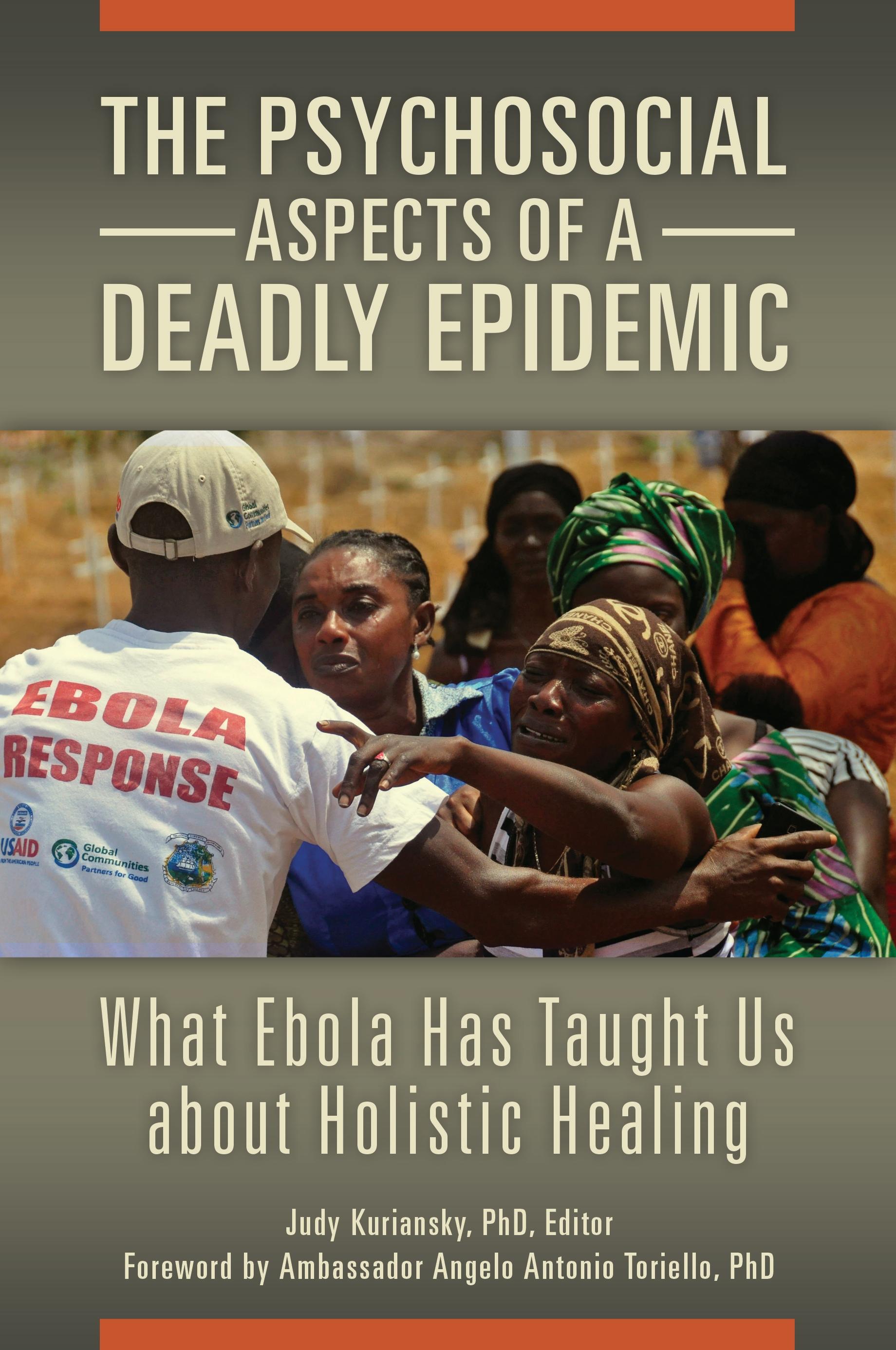
Edited by a clinical psychologist who has been on the ground helping to develop psychosocial support for Ebola survivors in one of the hardest-hit regions of West Africa, this book explains the devastating emotional aspects of the epidemic and its impact on survivors and the population in West Africa, families in the diaspora, and people in the United States and other countries. It also describes lessons learned from past epidemics like HIV/AIDS and SARS, and valuable approaches to healing from future epidemics.
While the devastating Ebola epidemic has been contained, the effects of this outbreak—referred to by the World Health Organization as "the most severe acute public health emergency seen in modern times"—have wreaked a tremendous emotional toll on the populations of West Africa as well as on families and survivors worldwide. This groundbreaking book covers the psychosocial needs, programs, and policies related to the Ebola epidemic and examines broader lessons of the outbreak, such as changes in the ways in which healing from future epidemics can be handled.
Edited by Judy Kuriansky, PhD, a noted clinical psychologist and United Nations NGO representative with extensive experience helping after disasters worldwide, and direct experience gained from being "on the ground" in West Africa in the midst of the epidemic, this book identifies and explains universal psychological factors at play in all such crises. It debunks myths regarding Ebola and describes the resulting psychological and social harm caused by the epidemic. The chapters cover overarching emotional issues and problems as well as the long-term impact on at-risk groups, such as children, women, and health workers; the impact of emotional issues on social and economic life; responses of government officials, media, and various aid organizations; and solutions being offered by groups worldwide, including service and humanitarian organizations, politicians, policymakers, and public health education groups.
While the devastating Ebola epidemic has been contained, the effects of this outbreak—referred to by the World Health Organization as "the most severe acute public health emergency seen in modern times"—have wreaked a tremendous emotional toll on the populations of West Africa as well as on families and survivors worldwide. This groundbreaking book covers the psychosocial needs, programs, and policies related to the Ebola epidemic and examines broader lessons of the outbreak, such as changes in the ways in which healing from future epidemics can be handled.
Edited by Judy Kuriansky, PhD, a noted clinical psychologist and United Nations NGO representative with extensive experience helping after disasters worldwide, and direct experience gained from being "on the ground" in West Africa in the midst of the epidemic, this book identifies and explains universal psychological factors at play in all such crises. It debunks myths regarding Ebola and describes the resulting psychological and social harm caused by the epidemic. The chapters cover overarching emotional issues and problems as well as the long-term impact on at-risk groups, such as children, women, and health workers; the impact of emotional issues on social and economic life; responses of government officials, media, and various aid organizations; and solutions being offered by groups worldwide, including service and humanitarian organizations, politicians, policymakers, and public health education groups.
Betal nemt med kort, Klarna, Apple Pay eller Google Pay. Ikke tilfreds? Du har altid 14 dages fortrydelsesret. Læs mere i vores vilkår. Har du spørgsmål, så send os en mail på hello@memmo.org.
Memmo gør det nemmere at studere – uanset hvor du er i verden. Hos os samler du dine kursusbøger og smarte studieværktøjer ét sted: resuméer, quizzer, podcasts og flashcards. Og så er der Ted, din studieven, der svarer på alt, du undrer dig over. Over 50 000 studerende studerer allerede her – bygget til at hjælpe dig med at lære hurtigere og stresse mindre.