
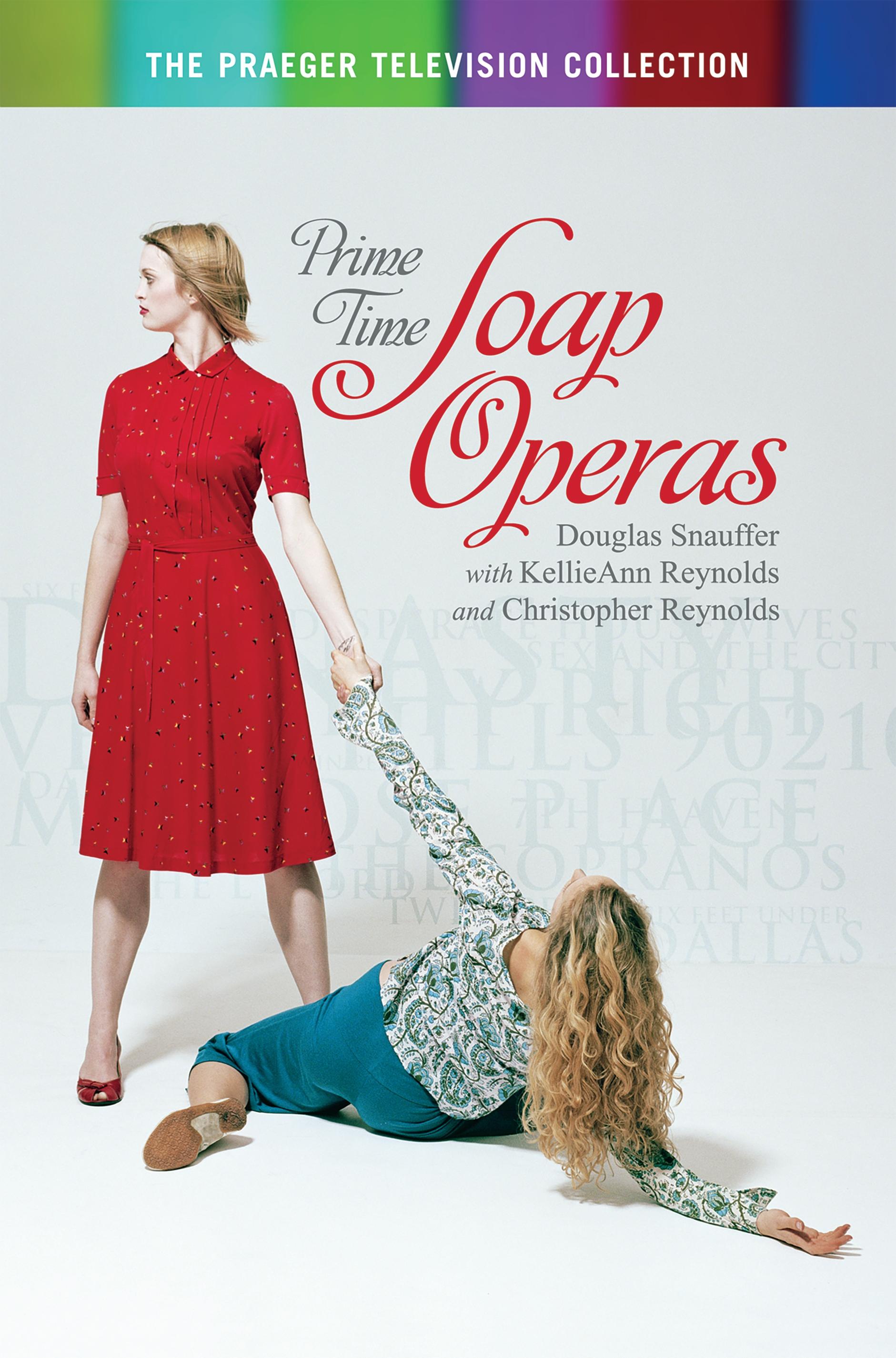
Prime time soaps are often revered long after their runs on television have ended, as Dallas, Twin Peaks, and Beverly Hills 90210 readily demonstrate. Due to their profound impact, it's easy to forget how recently the genre itself was born. Dallas premiered in 1978, and was originally intended to air solely as a five-part mini-series. Then, in 1981, producer Aaron Spelling stepped in and introduced his own ultra-glitzy entry Dynasty. Between these two mega-hits, the era of the nighttime soap was born. Soaps soon spun off into non-traditional avenues as well, in sitcoms like Filthy Rich and the supernatural drama Twin Peaks. Then, with the arrival of the more youth-oriented Fox Network, producers were able to hook an entirely new generation on programs such as Beverly Hills, 90210, Melrose Place, and Party of Five. Pay-cable channels have also stepped into the picture and now act as trendsetters with hits like Sex and the City, Six Feet Under, The Sopranos, and The L Word. Now, from the spiritually themed 7th Heaven to the naughty neighbors of ABC's Desperate Housewives, soaps dominate prime time. Prime Time Soaps covers all the major shows within the soap-opera genre, and also investigates all the ways that soaps have contributed to the development of more general television trends. Interviews with producers, actors, and other artistic collaborators also supplement this revealing and entertaining account.
Even outside of their genre, these shows continue to influence current programming. Few series on TV today are purely episodic, instead containing on-going storylines involving the personal dilemmas of their characters. Another very recognizable contribution from soaps occurred on the evening of March 21, 1980, when Dallas finished out its third year with J.R. Ewing being shot by an unknown assailant, leaving fans to wait until the fall for the resolution. This was the beginning of the cliffhanger endings that are now implemented by just about every series on television. Prime Time Soaps covers all the major shows, and also investigates all the ways that soaps have contributed to the development of more general television trends. Interviews with producers, actors, and other artistic collaborators supplement this revealing and entertaining account.
Even outside of their genre, these shows continue to influence current programming. Few series on TV today are purely episodic, instead containing on-going storylines involving the personal dilemmas of their characters. Another very recognizable contribution from soaps occurred on the evening of March 21, 1980, when Dallas finished out its third year with J.R. Ewing being shot by an unknown assailant, leaving fans to wait until the fall for the resolution. This was the beginning of the cliffhanger endings that are now implemented by just about every series on television. Prime Time Soaps covers all the major shows, and also investigates all the ways that soaps have contributed to the development of more general television trends. Interviews with producers, actors, and other artistic collaborators supplement this revealing and entertaining account.
Betal nemt med kort, Klarna, Apple Pay eller Google Pay. Ikke tilfreds? Du har altid 14 dages fortrydelsesret. Læs mere i vores vilkår. Har du spørgsmål, så send os en mail på hello@memmo.org.
Memmo gør det nemmere at studere – uanset hvor du er i verden. Hos os samler du dine kursusbøger og smarte studieværktøjer ét sted: resuméer, quizzer, podcasts og flashcards. Og så er der Ted, din studieven, der svarer på alt, du undrer dig over. Over 50 000 studerende studerer allerede her – bygget til at hjælpe dig med at lære hurtigere og stresse mindre.