
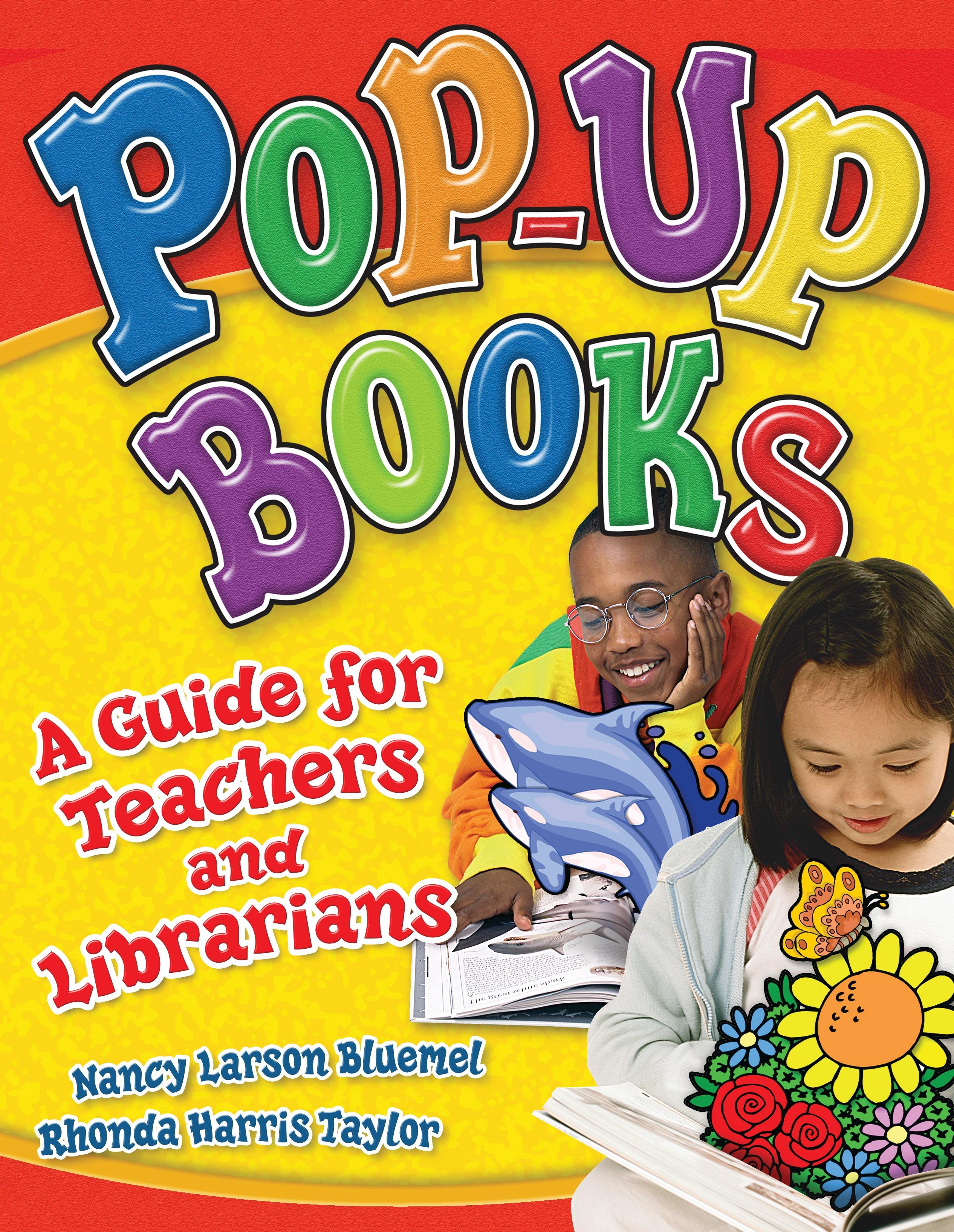
A convincing explanation of why interactive or movable books should be included in the library collection that documents their value as motivational instructional tools—in all areas of the school curriculum, across many grade levels.
Pop-up books possess universal appeal. Everyone from preschoolers to adults loves to see and tactilely experience the beautiful three-dimensional work of Robert Sabuda, David A. Carter, and other pop-up book creators. Sabuda himself was inspired to become a pop-up book artist after experiencing the 1972 classic pop-up The Adventures of Super Pickle. The effect of these movable books on young minds is uniquely powerful. Besides riveting children's attention, pop-up books can also help build motor skills, teach cause and effect, and develop spatial understanding of objects.
Based on their direct experience and many presentations to teachers and librarians, the authors have provided template lesson plans with curriculum and standards links for using the best pop-up books currently available in the instructional program of the school. The book also includes profiles of the most notable authors, a history of the format, definitions of terms such as "flap book" and "paper engineer," and information on how to create movable books. Librarians will find the section regarding collection development with the format—how and where to acquire them, proper storage methods—and the annotated listing of the authors' 50 favorite pop-ups extremely helpful.
Pop-up books possess universal appeal. Everyone from preschoolers to adults loves to see and tactilely experience the beautiful three-dimensional work of Robert Sabuda, David A. Carter, and other pop-up book creators. Sabuda himself was inspired to become a pop-up book artist after experiencing the 1972 classic pop-up The Adventures of Super Pickle. The effect of these movable books on young minds is uniquely powerful. Besides riveting children's attention, pop-up books can also help build motor skills, teach cause and effect, and develop spatial understanding of objects.
Based on their direct experience and many presentations to teachers and librarians, the authors have provided template lesson plans with curriculum and standards links for using the best pop-up books currently available in the instructional program of the school. The book also includes profiles of the most notable authors, a history of the format, definitions of terms such as "flap book" and "paper engineer," and information on how to create movable books. Librarians will find the section regarding collection development with the format—how and where to acquire them, proper storage methods—and the annotated listing of the authors' 50 favorite pop-ups extremely helpful.
Betal nemt med kort, Klarna, Apple Pay eller Google Pay. Ikke tilfreds? Du har altid 14 dages fortrydelsesret. Læs mere i vores vilkår. Har du spørgsmål, så send os en mail på hello@memmo.org.
Memmo gør det nemmere at studere – uanset hvor du er i verden. Hos os samler du dine kursusbøger og smarte studieværktøjer ét sted: resuméer, quizzer, podcasts og flashcards. Og så er der Ted, din studieven, der svarer på alt, du undrer dig over. Over 50 000 studerende studerer allerede her – bygget til at hjælpe dig med at lære hurtigere og stresse mindre.