
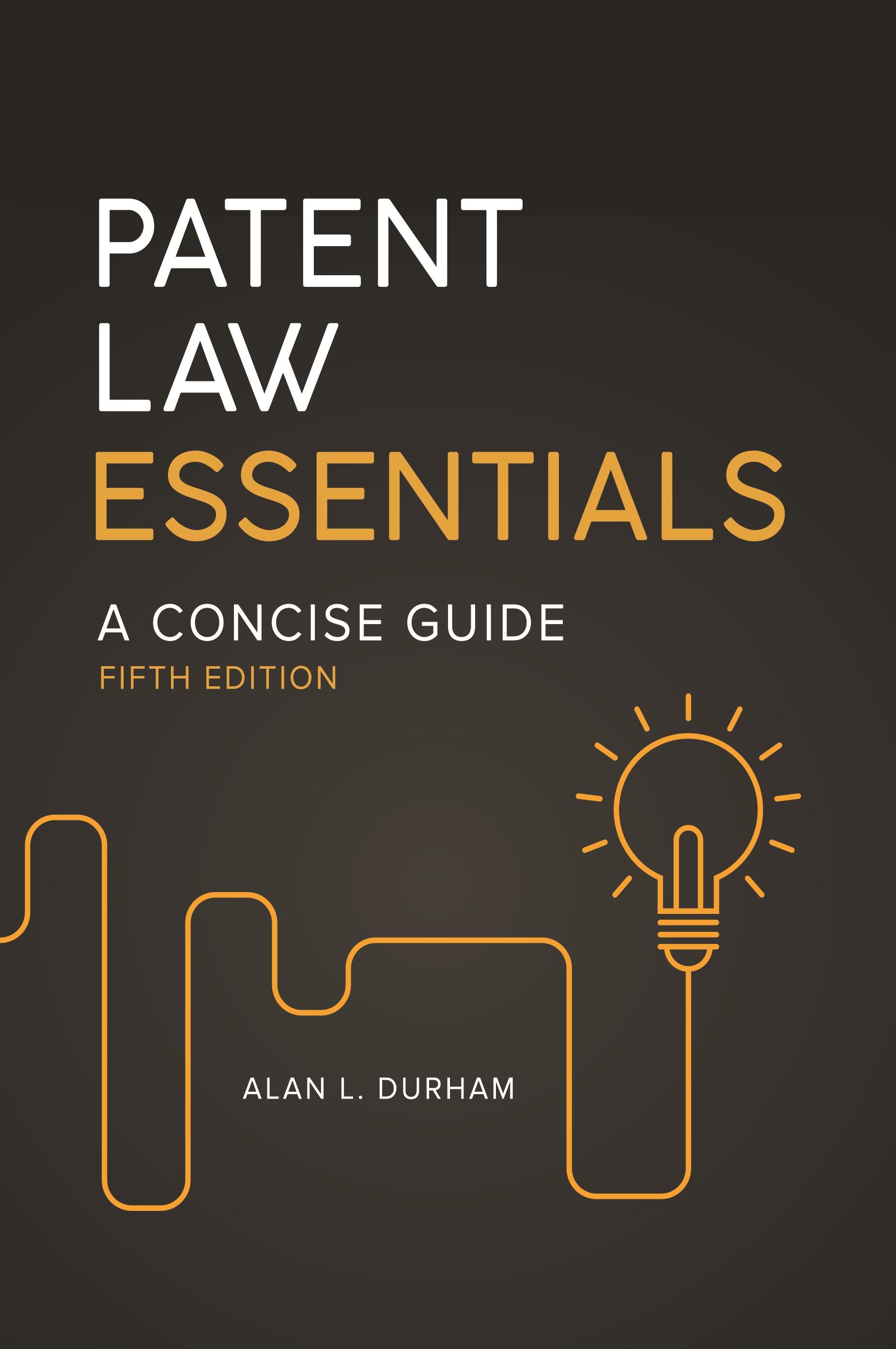
This essential desk reference for patent attorneys, engineers, entrepreneurs, innovators, development professionals, and students has been updated with the latest court cases and legislation.
In a world in which businesses thrive on innovation, it is more important than ever to understand the sometimes arcane rules through which human ingenuity becomes intellectual property. Although many reference works on patent law exist, they are written for specialists. Through clear writing, specific examples, and focus on the fundamentals, Patent Law Essentials: A Concise Guide makes the basic rules of patent law accessible to businesspeople, engineers, students, and others who need to understand the rules of a notoriously complicated game.
Patent Law Essentials begins with an overview of patent law and other aspects of intellectual property and then guides the reader through an example of an actual patent—one literally claiming "a better mousetrap." The chapters that follow discuss the types of inventions that can be patented (recently a subject of much dispute), the process of applying for a patent, the requirements of a valid patent, and the procedures for determining if a patent has been infringed upon. The appendix includes several examples of actual U.S. patents, including the mousetrap patent discussed in detail in the early chapters.
In a world in which businesses thrive on innovation, it is more important than ever to understand the sometimes arcane rules through which human ingenuity becomes intellectual property. Although many reference works on patent law exist, they are written for specialists. Through clear writing, specific examples, and focus on the fundamentals, Patent Law Essentials: A Concise Guide makes the basic rules of patent law accessible to businesspeople, engineers, students, and others who need to understand the rules of a notoriously complicated game.
Patent Law Essentials begins with an overview of patent law and other aspects of intellectual property and then guides the reader through an example of an actual patent—one literally claiming "a better mousetrap." The chapters that follow discuss the types of inventions that can be patented (recently a subject of much dispute), the process of applying for a patent, the requirements of a valid patent, and the procedures for determining if a patent has been infringed upon. The appendix includes several examples of actual U.S. patents, including the mousetrap patent discussed in detail in the early chapters.
Betal nemt med kort, Klarna, Apple Pay eller Google Pay. Ikke tilfreds? Du har altid 14 dages fortrydelsesret. Læs mere i vores vilkår. Har du spørgsmål, så send os en mail på hello@memmo.org.
Memmo gør det nemmere at studere – uanset hvor du er i verden. Hos os samler du dine kursusbøger og smarte studieværktøjer ét sted: resuméer, quizzer, podcasts og flashcards. Og så er der Ted, din studieven, der svarer på alt, du undrer dig over. Over 50 000 studerende studerer allerede her – bygget til at hjælpe dig med at lære hurtigere og stresse mindre.