
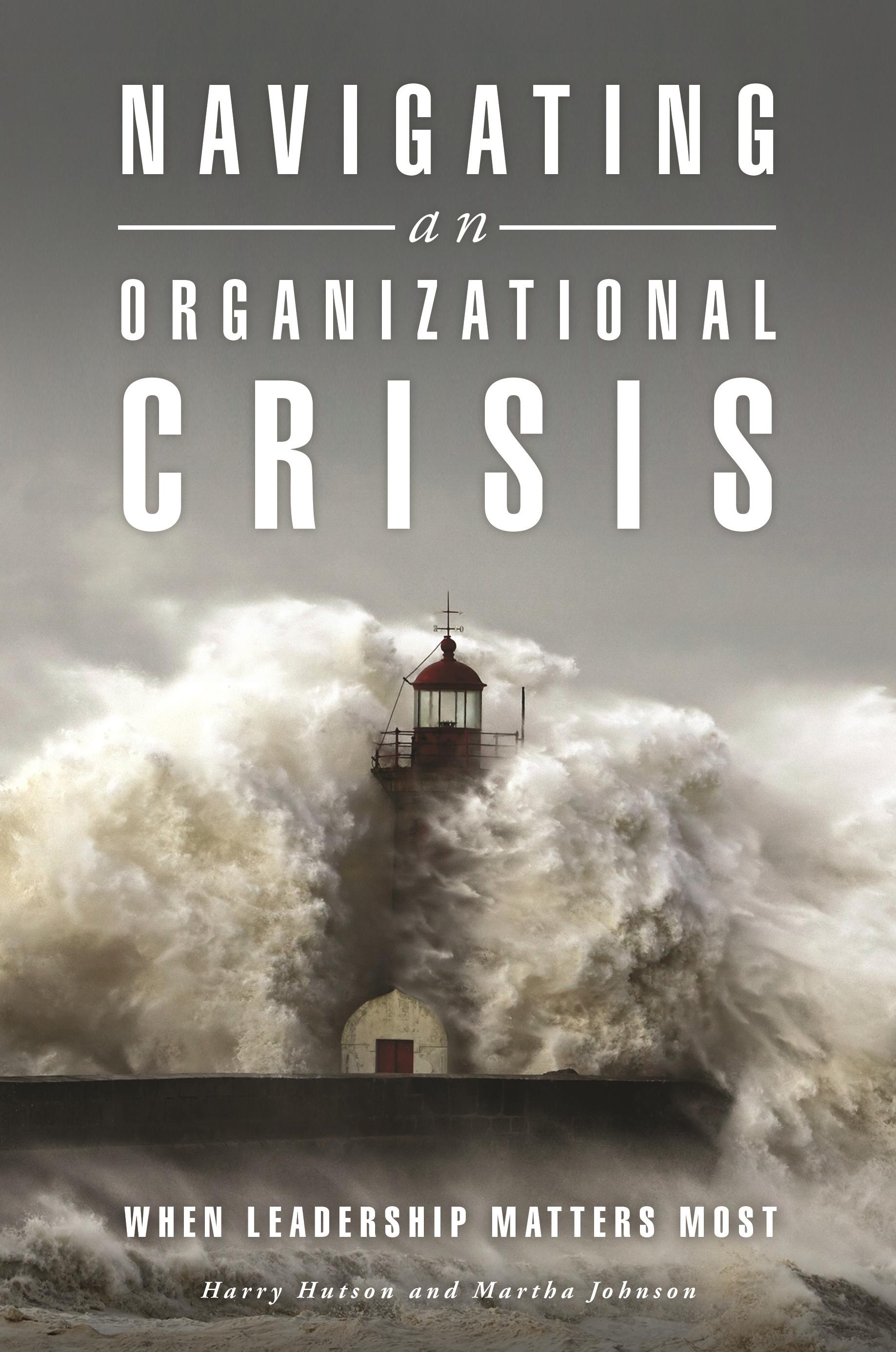
How are leaders facing a crisis supposed to handle and overcome an unknowable set of issues? This book demonstrates how effective leaders under pressure work from an understanding of the situation at hand and of their impact on others, and explains how leaders can best apply their internal strengths.
Most leaders are steeped in risk management, crisis response tactics, readiness for disaster, continuity-of-operations planning, and logistical and agility capabilities. These preparations are critical but not complete. The reality is that even experienced leaders themselves need guidance when it comes to managing a crisis. This standout book fills that need, drawing on interviews with successful leaders; research findings on trauma, neuroscience, and crisis management; and the authors' own extensive career experiences. The chapters suggest and probe ideas from various angles rather than promoting simplistic formulas or nostrums that are unlikely to apply to all circumstances and present new angles on self-awareness and management under pressure for the practitioner.
The book leads off with a description of organizational disaster and crisis leadership—topics of considerable concern as disasters are becoming the "new normal." The authors then explore three critical but very different types of responses by leaders at such a time: recognition and response, care of self and others, and storytelling. A detailed case study of a leader in the midst of Hurricane Katrina—the most expensive natural disaster in U.S. history—provides readers with a real-world practicum for the theories and ideas suggested.
Most leaders are steeped in risk management, crisis response tactics, readiness for disaster, continuity-of-operations planning, and logistical and agility capabilities. These preparations are critical but not complete. The reality is that even experienced leaders themselves need guidance when it comes to managing a crisis. This standout book fills that need, drawing on interviews with successful leaders; research findings on trauma, neuroscience, and crisis management; and the authors' own extensive career experiences. The chapters suggest and probe ideas from various angles rather than promoting simplistic formulas or nostrums that are unlikely to apply to all circumstances and present new angles on self-awareness and management under pressure for the practitioner.
The book leads off with a description of organizational disaster and crisis leadership—topics of considerable concern as disasters are becoming the "new normal." The authors then explore three critical but very different types of responses by leaders at such a time: recognition and response, care of self and others, and storytelling. A detailed case study of a leader in the midst of Hurricane Katrina—the most expensive natural disaster in U.S. history—provides readers with a real-world practicum for the theories and ideas suggested.
Betal nemt med kort, Klarna, Apple Pay eller Google Pay. Ikke tilfreds? Du har altid 14 dages fortrydelsesret. Læs mere i vores vilkår. Har du spørgsmål, så send os en mail på hello@memmo.org.
Memmo gør det nemmere at studere – uanset hvor du er i verden. Hos os samler du dine kursusbøger og smarte studieværktøjer ét sted: resuméer, quizzer, podcasts og flashcards. Og så er der Ted, din studieven, der svarer på alt, du undrer dig over. Over 50 000 studerende studerer allerede her – bygget til at hjælpe dig med at lære hurtigere og stresse mindre.