
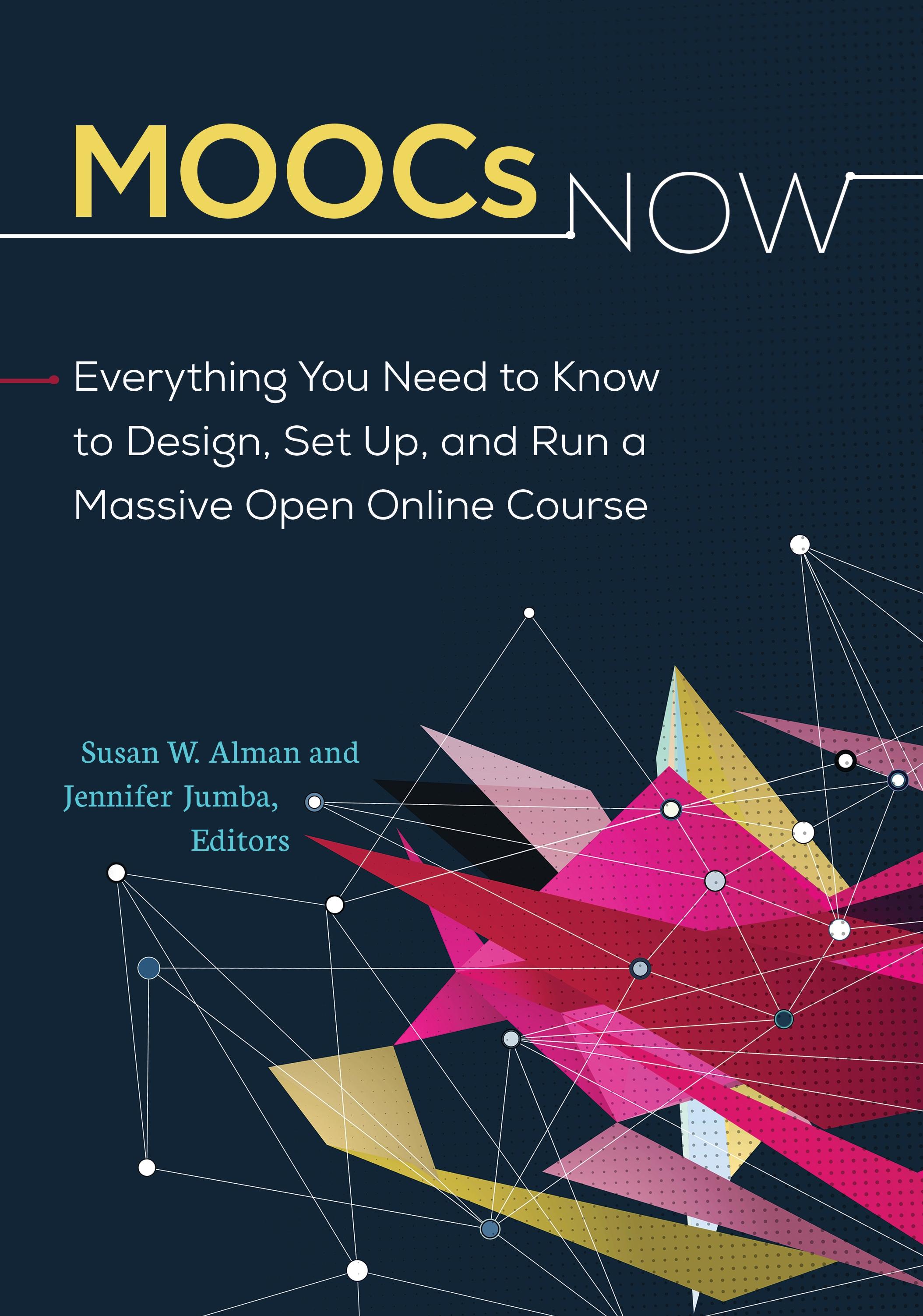
Learn from experts who have created and presented Massive Open Online Courses (MOOCs) that can reach a vast audience, and discover how to develop and present this new online form of continuing education.
MOOCs (Massive Open Online Courses) have become popular with eager learners as well as some educators wanting to test the boundaries of learning. Understandably, many educators approach MOOCs with trepidation and a number of questions. Are MOOCs simply a fad? Does this new venue threaten traditional higher education models? How are teachers to be remunerated for their efforts? And what can be done about student retention in an anonymous venue of a MOOC?
This book answers these questions and many more, offering a practical and realistic guide to MOOCs—one that will help anyone involved in higher education to better understand MOOCs and enable them to make decisions about whether and how to offer MOOCs. The authors address topics such as the various costs of offering a MOOC (teachers, developers, licensing, and software), explain accessibility options, examine the challenges of copyright and the administration required, and explore what the librarian's role should be. This insightful guide also explains your options for the presentation of text, video, and audio content; whether to give assignments or tests; and how to decide whether you should offer your MOOC for free or require a fee and offer a certificate upon course completion.
MOOCs (Massive Open Online Courses) have become popular with eager learners as well as some educators wanting to test the boundaries of learning. Understandably, many educators approach MOOCs with trepidation and a number of questions. Are MOOCs simply a fad? Does this new venue threaten traditional higher education models? How are teachers to be remunerated for their efforts? And what can be done about student retention in an anonymous venue of a MOOC?
This book answers these questions and many more, offering a practical and realistic guide to MOOCs—one that will help anyone involved in higher education to better understand MOOCs and enable them to make decisions about whether and how to offer MOOCs. The authors address topics such as the various costs of offering a MOOC (teachers, developers, licensing, and software), explain accessibility options, examine the challenges of copyright and the administration required, and explore what the librarian's role should be. This insightful guide also explains your options for the presentation of text, video, and audio content; whether to give assignments or tests; and how to decide whether you should offer your MOOC for free or require a fee and offer a certificate upon course completion.
Betal nemt med kort, Klarna, Apple Pay eller Google Pay. Ikke tilfreds? Du har altid 14 dages fortrydelsesret. Læs mere i vores vilkår. Har du spørgsmål, så send os en mail på hello@memmo.org.
Memmo gør det nemmere at studere – uanset hvor du er i verden. Hos os samler du dine kursusbøger og smarte studieværktøjer ét sted: resuméer, quizzer, podcasts og flashcards. Og så er der Ted, din studieven, der svarer på alt, du undrer dig over. Over 50 000 studerende studerer allerede her – bygget til at hjælpe dig med at lære hurtigere og stresse mindre.