
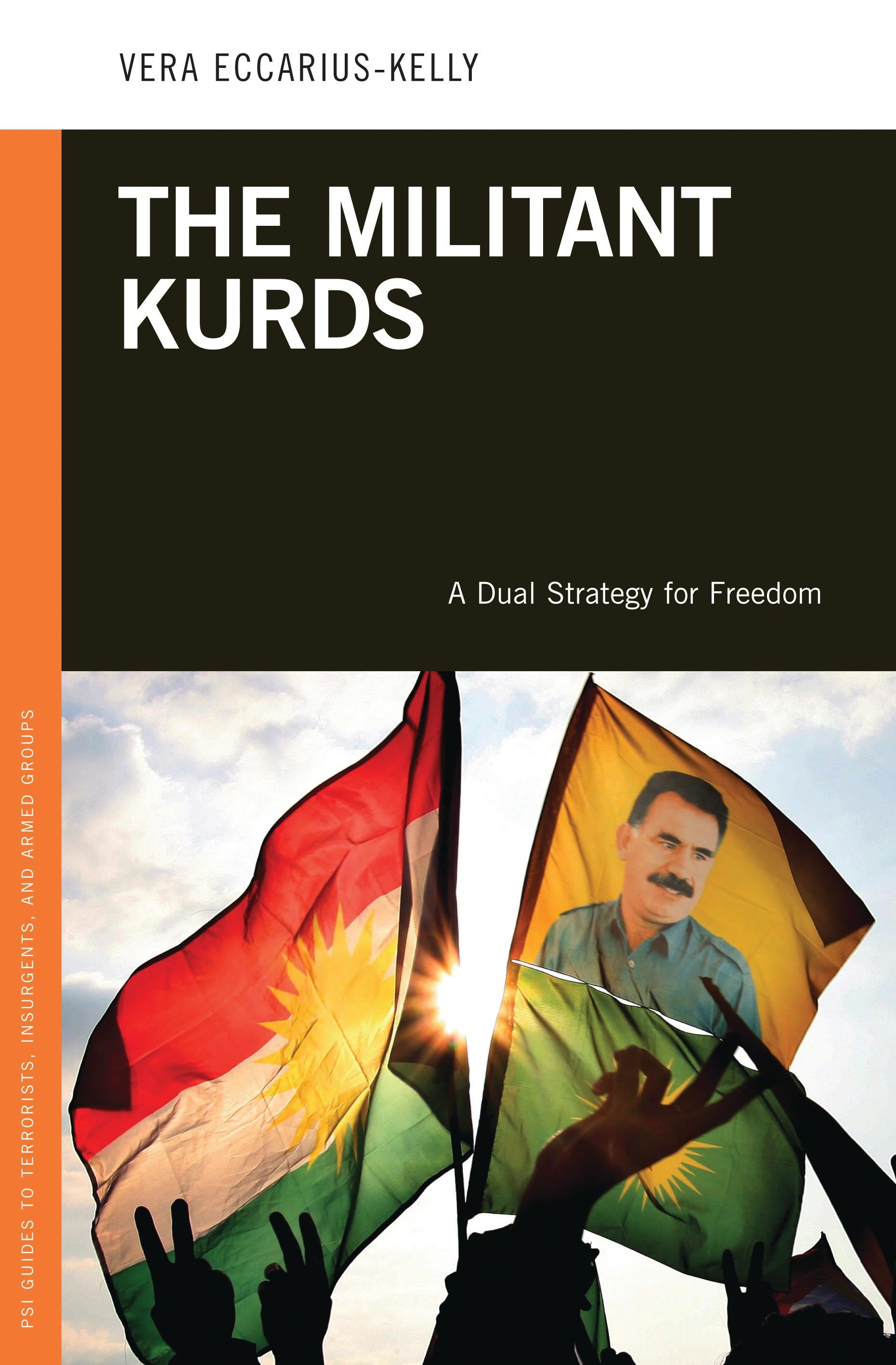
This extensive examination of the Kurdish conflict in Turkey, Iraq, Germany, and the EU focuses on the history and development of the Kurdish Workers Party (PKK) and its impact on transnational security, human rights, and democratization.
The Militant Kurds: A Dual Strategy for Freedom explores the complexity of the 30-year guerrilla war of the Kurdish Workers Party (PKK) against the Turkish Republic, identifying longstanding obstacles to peace and probing the new dynamics that may lead to an end to the conflict. In doing so, the book provides fascinating insights into Turkey's national ethos, its dominant military culture, and civil society's struggle for increased democratization.
The Militant Kurds offers an extensive analysis of the precarious position of the Kurdish minority, beginning with the establishment of the modern Turkish republic in 1923. Divided into five sections examining current political realities in Turkey, the book investigates the role of Islam and ethnicity, analyzes the rise of the PKK, discusses Turkish military culture, and explains the international dimensions of the Kurdish conflict. Comparative historical, political, and socioeconomic examples contextualize the long struggle for Kurdish self-determination. Each chapter offers an analysis of the underlying dynamics of the conflict and provides up-to-date explanations.
The Militant Kurds: A Dual Strategy for Freedom explores the complexity of the 30-year guerrilla war of the Kurdish Workers Party (PKK) against the Turkish Republic, identifying longstanding obstacles to peace and probing the new dynamics that may lead to an end to the conflict. In doing so, the book provides fascinating insights into Turkey's national ethos, its dominant military culture, and civil society's struggle for increased democratization.
The Militant Kurds offers an extensive analysis of the precarious position of the Kurdish minority, beginning with the establishment of the modern Turkish republic in 1923. Divided into five sections examining current political realities in Turkey, the book investigates the role of Islam and ethnicity, analyzes the rise of the PKK, discusses Turkish military culture, and explains the international dimensions of the Kurdish conflict. Comparative historical, political, and socioeconomic examples contextualize the long struggle for Kurdish self-determination. Each chapter offers an analysis of the underlying dynamics of the conflict and provides up-to-date explanations.
Betal nemt med kort, Klarna, Apple Pay eller Google Pay. Ikke tilfreds? Du har altid 14 dages fortrydelsesret. Læs mere i vores vilkår. Har du spørgsmål, så send os en mail på hello@memmo.org.
Memmo gør det nemmere at studere – uanset hvor du er i verden. Hos os samler du dine kursusbøger og smarte studieværktøjer ét sted: resuméer, quizzer, podcasts og flashcards. Og så er der Ted, din studieven, der svarer på alt, du undrer dig over. Over 50 000 studerende studerer allerede her – bygget til at hjælpe dig med at lære hurtigere og stresse mindre.