
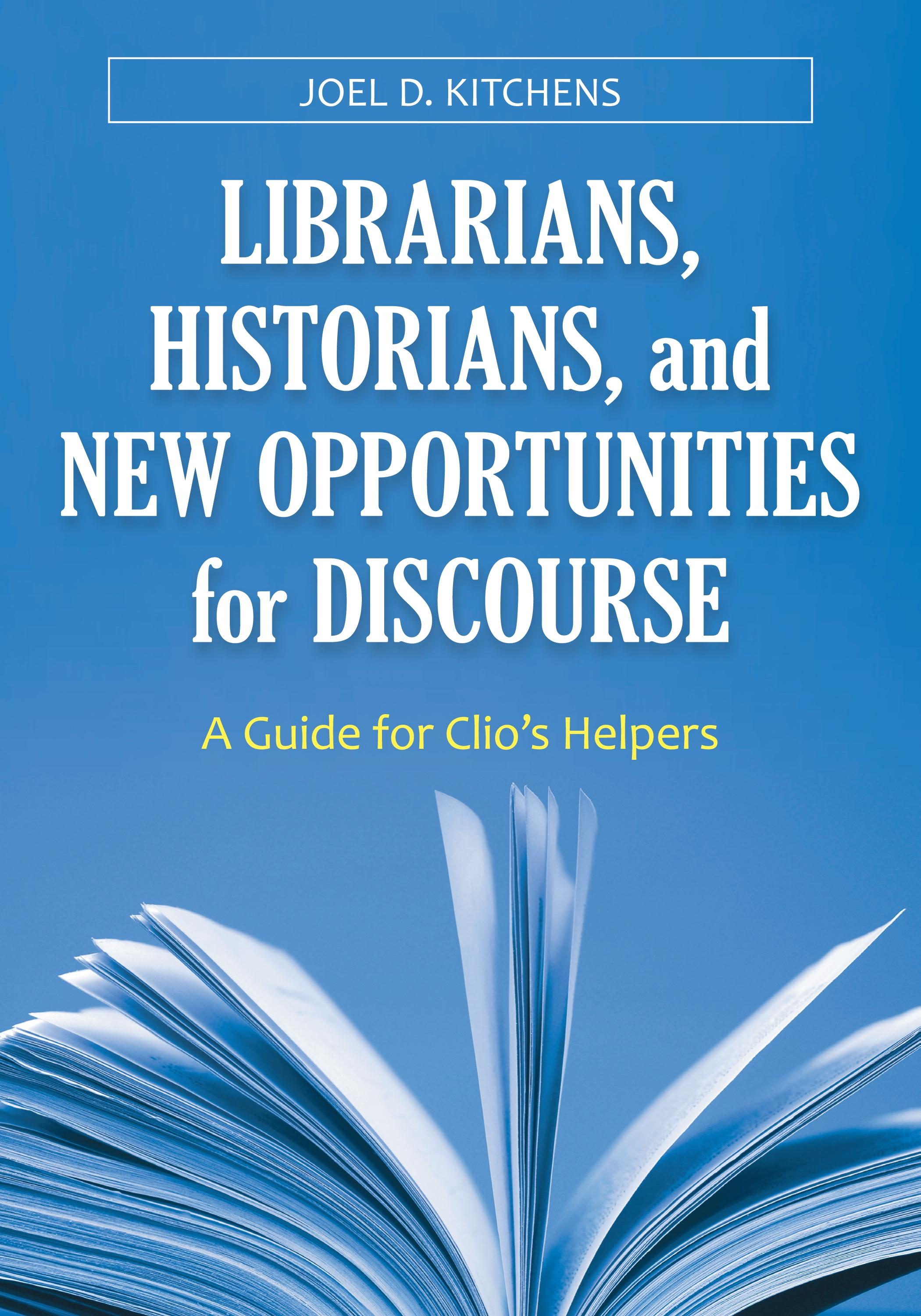
This book stimulates informed dialogue between librarians and historians regarding the changing nature of history and the resultant needs for a wider variety of collections and library services, including inter-library loan, library instruction, outreach, and reference.
Today's history scholars and students utilize information in many different formats, including print, microforms, and digital, with each having its own format-specific requirements. For historians, the library is an essential resource that serves as their "laboratory." Librarians need to recognize the changing needs of this group—arguably among the heaviest users of library materials and services.
Librarians, Historians, and New Opportunities for Discourse: A Guide for Clio's Helpers addresses the concerns and typical operational decisions of librarians in academic libraries regarding reference, instruction, and collection management. The book looks at the role of the librarian holistically, paying special attention to how history is researched and taught, and how this affects librarians.
After reading this book, librarians will better understand this group of patrons who are so dependent on library resources for their research and teaching; conversely, historians will grasp the pressures on librarians making the difficult transition between the print and the digital age. As a result, every reader will be capable of having a more informed dialog with "the other half," regardless of their status as a librarian or a historian.
Today's history scholars and students utilize information in many different formats, including print, microforms, and digital, with each having its own format-specific requirements. For historians, the library is an essential resource that serves as their "laboratory." Librarians need to recognize the changing needs of this group—arguably among the heaviest users of library materials and services.
Librarians, Historians, and New Opportunities for Discourse: A Guide for Clio's Helpers addresses the concerns and typical operational decisions of librarians in academic libraries regarding reference, instruction, and collection management. The book looks at the role of the librarian holistically, paying special attention to how history is researched and taught, and how this affects librarians.
After reading this book, librarians will better understand this group of patrons who are so dependent on library resources for their research and teaching; conversely, historians will grasp the pressures on librarians making the difficult transition between the print and the digital age. As a result, every reader will be capable of having a more informed dialog with "the other half," regardless of their status as a librarian or a historian.
Betal nemt med kort, Klarna, Apple Pay eller Google Pay. Ikke tilfreds? Du har altid 14 dages fortrydelsesret. Læs mere i vores vilkår. Har du spørgsmål, så send os en mail på hello@memmo.org.
Memmo gør det nemmere at studere – uanset hvor du er i verden. Hos os samler du dine kursusbøger og smarte studieværktøjer ét sted: resuméer, quizzer, podcasts og flashcards. Og så er der Ted, din studieven, der svarer på alt, du undrer dig over. Over 50 000 studerende studerer allerede her – bygget til at hjælpe dig med at lære hurtigere og stresse mindre.