
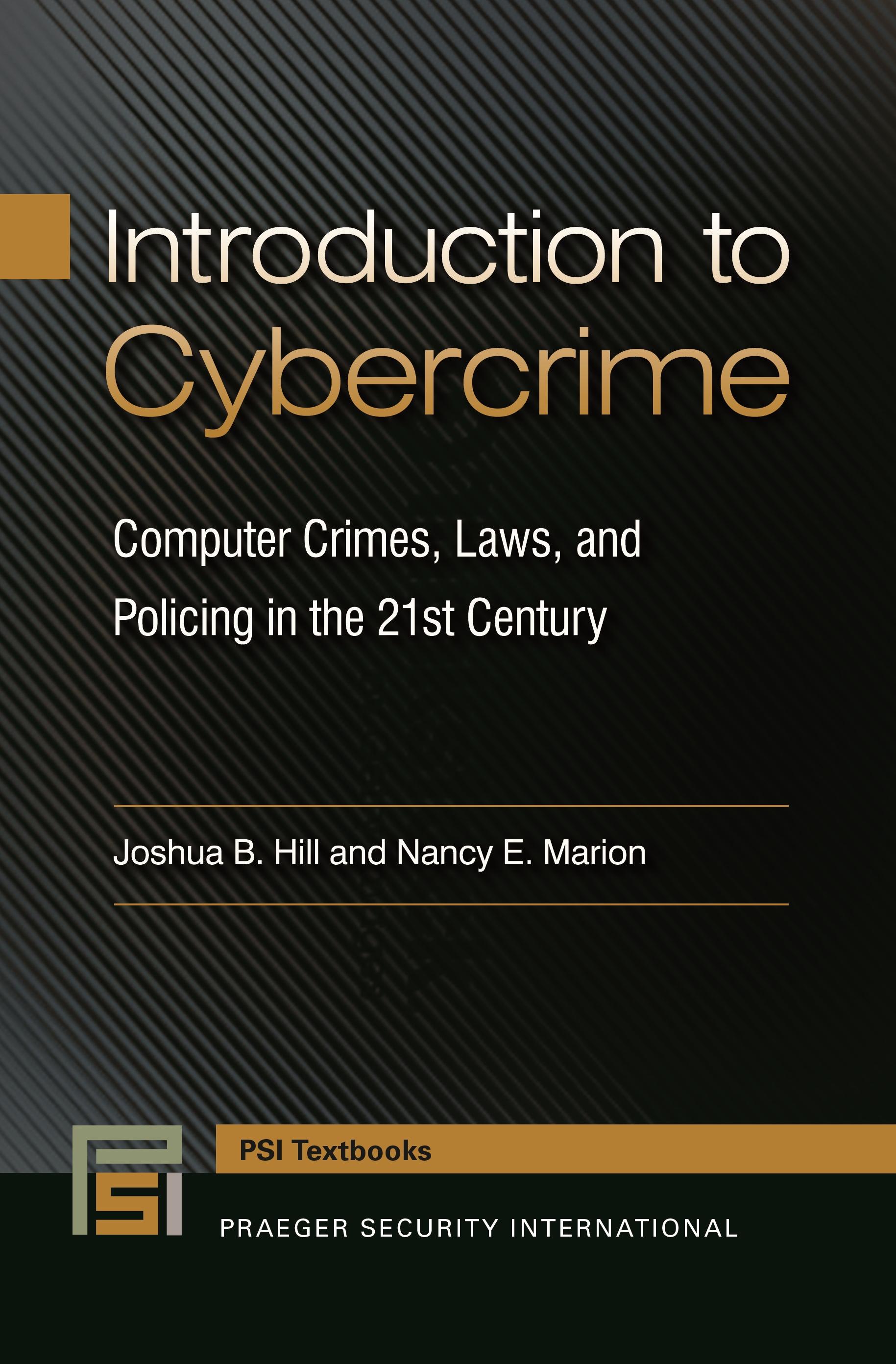
Explaining cybercrime in a highly networked world, this book provides a comprehensive yet accessible summary of the history, modern developments, and efforts to combat cybercrime in various forms at all levels of government—international, national, state, and local.
As the exponential growth of the Internet has made the exchange and storage of information quick and inexpensive, the incidence of cyber-enabled criminal activity—from copyright infringement to phishing to online pornography—has also exploded. These crimes, both old and new, are posing challenges for law enforcement and legislators alike. What efforts—if any—could deter cybercrime in the highly networked and extremely fast-moving modern world? Introduction to Cybercrime: Computer Crimes, Laws, and Policing in the 21st Century seeks to address this tough question and enables readers to better contextualize the place of cybercrime in the current landscape.
This textbook documents how a significant side effect of the positive growth of technology has been a proliferation of computer-facilitated crime, explaining how computers have become the preferred tools used to commit crimes, both domestically and internationally, and have the potential to seriously harm people and property alike. The chapters discuss different types of cybercrimes—including new offenses unique to the Internet—and their widespread impacts. Readers will learn about the governmental responses worldwide that attempt to alleviate or prevent cybercrimes and gain a solid understanding of the issues surrounding cybercrime in today's society as well as the long- and short-term impacts of cybercrime.
As the exponential growth of the Internet has made the exchange and storage of information quick and inexpensive, the incidence of cyber-enabled criminal activity—from copyright infringement to phishing to online pornography—has also exploded. These crimes, both old and new, are posing challenges for law enforcement and legislators alike. What efforts—if any—could deter cybercrime in the highly networked and extremely fast-moving modern world? Introduction to Cybercrime: Computer Crimes, Laws, and Policing in the 21st Century seeks to address this tough question and enables readers to better contextualize the place of cybercrime in the current landscape.
This textbook documents how a significant side effect of the positive growth of technology has been a proliferation of computer-facilitated crime, explaining how computers have become the preferred tools used to commit crimes, both domestically and internationally, and have the potential to seriously harm people and property alike. The chapters discuss different types of cybercrimes—including new offenses unique to the Internet—and their widespread impacts. Readers will learn about the governmental responses worldwide that attempt to alleviate or prevent cybercrimes and gain a solid understanding of the issues surrounding cybercrime in today's society as well as the long- and short-term impacts of cybercrime.
Sider: 304
Kategori: Kriminologi
e-ISBN: 9798216104377
Forsendelsesvægt: 1.2 kg
Sendes inden for: 1-2 dage
Betal nemt med kort, Klarna, Apple Pay eller Google Pay. Ikke tilfreds? Du har altid 14 dages fortrydelsesret. Læs mere i vores vilkår. Har du spørgsmål, så send os en mail på hello@memmo.org.
Memmo gør det nemmere at studere – uanset hvor du er i verden. Hos os samler du dine kursusbøger og smarte studieværktøjer ét sted: resuméer, quizzer, podcasts og flashcards. Og så er der Ted, din studieven, der svarer på alt, du undrer dig over. Over 50 000 studerende studerer allerede her – bygget til at hjælpe dig med at lære hurtigere og stresse mindre.