
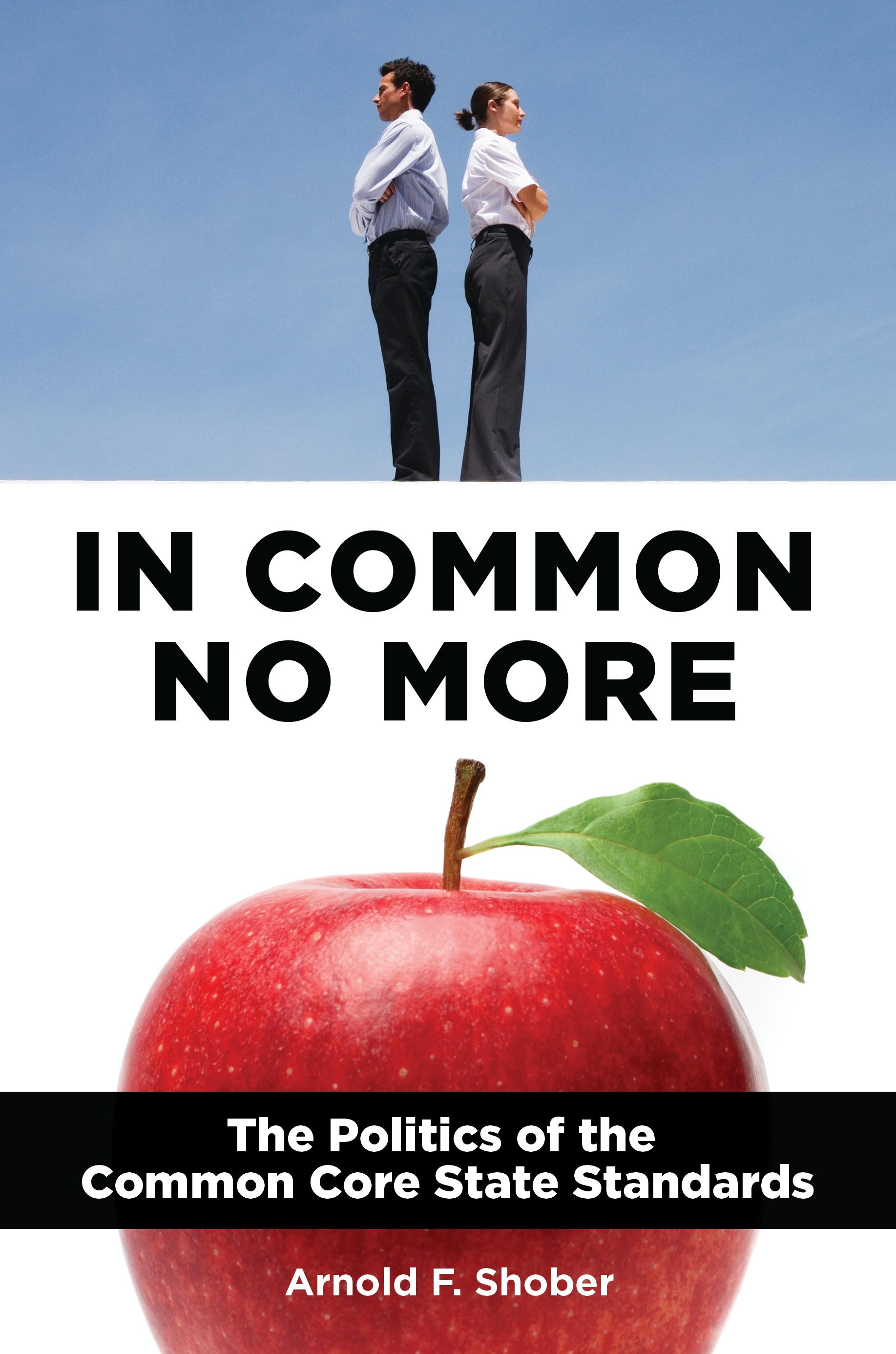
When did the Common Core evolve from pet project to pariah among educators and parents? This book examines the rise and fall of our national education standards from their inception to the present day.
Parents, teachers, and political groups have waged debates over the Common Core since the standards' adoption in 2010. This timely examination explores the shifting political alliances related to the Common Core State Standards Initiative, explains why initial national support has faded, and considers the major debates running through the Common Core controversy. The book is organized around four themes of political conflict: federal versus state control, minorities versus majorities, experts versus professionals, and elites versus local preferences.
The work reviews the politics of state and national standards, evaluating the political arguments for and against the Common Core: federal overreach, lack of evidence for effectiveness, lack of parental control, lack of teacher input, improper adaptive testing, overtesting, and connections to private education-reform funders and foundations. The work includes a short primer on the Common Core State Standards Initiative as well as on the Partnership for Assessment of Readiness for College and Careers (PARCC) and Smarter Balance, two state-level organizations that have worked on the standards. An informative appendix presents brief descriptions of major interest groups and think tanks involved with the standards initiative along with a timeline of American educational standards reforms and the Common Core.
Parents, teachers, and political groups have waged debates over the Common Core since the standards' adoption in 2010. This timely examination explores the shifting political alliances related to the Common Core State Standards Initiative, explains why initial national support has faded, and considers the major debates running through the Common Core controversy. The book is organized around four themes of political conflict: federal versus state control, minorities versus majorities, experts versus professionals, and elites versus local preferences.
The work reviews the politics of state and national standards, evaluating the political arguments for and against the Common Core: federal overreach, lack of evidence for effectiveness, lack of parental control, lack of teacher input, improper adaptive testing, overtesting, and connections to private education-reform funders and foundations. The work includes a short primer on the Common Core State Standards Initiative as well as on the Partnership for Assessment of Readiness for College and Careers (PARCC) and Smarter Balance, two state-level organizations that have worked on the standards. An informative appendix presents brief descriptions of major interest groups and think tanks involved with the standards initiative along with a timeline of American educational standards reforms and the Common Core.
Betal nemt med kort, Klarna, Apple Pay eller Google Pay. Ikke tilfreds? Du har altid 14 dages fortrydelsesret. Læs mere i vores vilkår. Har du spørgsmål, så send os en mail på hello@memmo.org.
Memmo gør det nemmere at studere – uanset hvor du er i verden. Hos os samler du dine kursusbøger og smarte studieværktøjer ét sted: resuméer, quizzer, podcasts og flashcards. Og så er der Ted, din studieven, der svarer på alt, du undrer dig over. Over 50 000 studerende studerer allerede her – bygget til at hjælpe dig med at lære hurtigere og stresse mindre.