
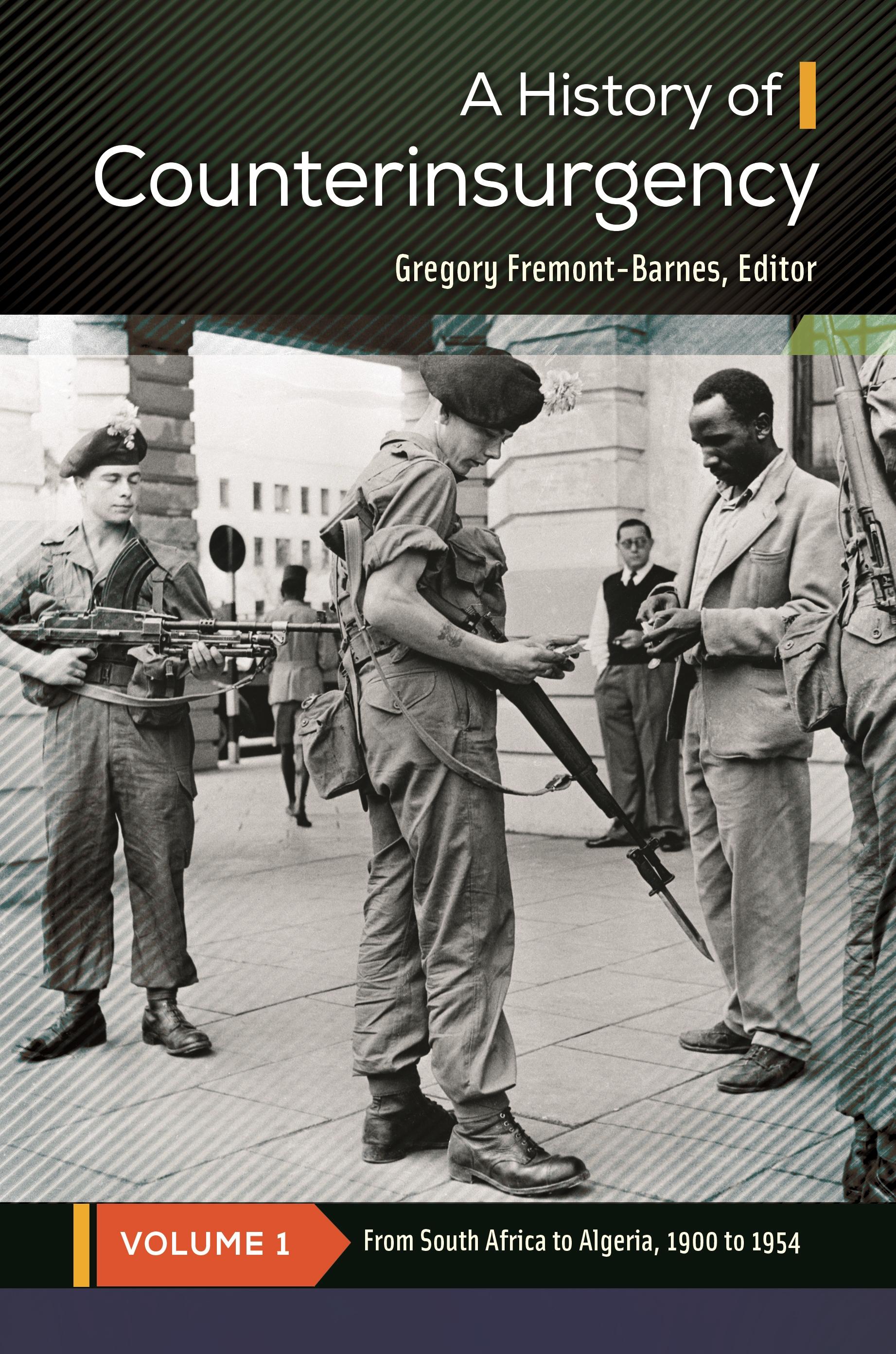
This two-volume history of counterinsurgency covers all the major and many of the lesser known examples of this widespread and enduring form of conflict, addressing the various measures employed in the attempt to overcome the insurgency and examining the individuals and organizations responsible for everything from counterterrorism to infrastructure building.
How and when should counterinsurgency be pursued as insurgency is growing in frequency and, conversely, while conventional warfare continues to decline as a means by which political rivals seek to impose their will upon each other? What lessons from the past should today's policymakers, strategists, military leaders, and soldiers in the field keep in mind while facing off against 21st-century insurgents?
This two-volume set offers a comprehensive history of modern counterinsurgency, covering the key examples of this widespread and enduring form of conflict. It identifies the political, military, social, and economic measures employed in attempting to overcome insurgency, examining the work of the individuals and organizations involved, demonstrating how success and failure dictated change from established policy, and carefully analyzing the results. Readers will gain valuable insight from the detailed assessments of the history of counterinsurgency that demonstrate which strategies have succeeded and which have failed—and why.
After an introductory essay on the subject, each chapter provides historical background to the insurgency being addressed before focusing on the specific policies pursued and actions taken by the counterinsurgency force. Each section also provides an assessment of those operations, including in most cases an analysis of lessons learned and, where appropriate, their relevance to counterinsurgency operations today. The set's coverage spans modern counterinsurgencies from Europe to Asia to Africa since 1900 and includes the ongoing counterinsurgency operations in Afghanistan today. Its wide, international approach to the subject makes the set a prime resource for readers seeking specific information on a particular conflict or a better understanding of the general theories and practices of counterinsurgency.
How and when should counterinsurgency be pursued as insurgency is growing in frequency and, conversely, while conventional warfare continues to decline as a means by which political rivals seek to impose their will upon each other? What lessons from the past should today's policymakers, strategists, military leaders, and soldiers in the field keep in mind while facing off against 21st-century insurgents?
This two-volume set offers a comprehensive history of modern counterinsurgency, covering the key examples of this widespread and enduring form of conflict. It identifies the political, military, social, and economic measures employed in attempting to overcome insurgency, examining the work of the individuals and organizations involved, demonstrating how success and failure dictated change from established policy, and carefully analyzing the results. Readers will gain valuable insight from the detailed assessments of the history of counterinsurgency that demonstrate which strategies have succeeded and which have failed—and why.
After an introductory essay on the subject, each chapter provides historical background to the insurgency being addressed before focusing on the specific policies pursued and actions taken by the counterinsurgency force. Each section also provides an assessment of those operations, including in most cases an analysis of lessons learned and, where appropriate, their relevance to counterinsurgency operations today. The set's coverage spans modern counterinsurgencies from Europe to Asia to Africa since 1900 and includes the ongoing counterinsurgency operations in Afghanistan today. Its wide, international approach to the subject makes the set a prime resource for readers seeking specific information on a particular conflict or a better understanding of the general theories and practices of counterinsurgency.
Betal nemt med kort, Klarna, Apple Pay eller Google Pay. Ikke tilfreds? Du har altid 14 dages fortrydelsesret. Læs mere i vores vilkår. Har du spørgsmål, så send os en mail på hello@memmo.org.
Memmo gør det nemmere at studere – uanset hvor du er i verden. Hos os samler du dine kursusbøger og smarte studieværktøjer ét sted: resuméer, quizzer, podcasts og flashcards. Og så er der Ted, din studieven, der svarer på alt, du undrer dig over. Over 50 000 studerende studerer allerede her – bygget til at hjælpe dig med at lære hurtigere og stresse mindre.