
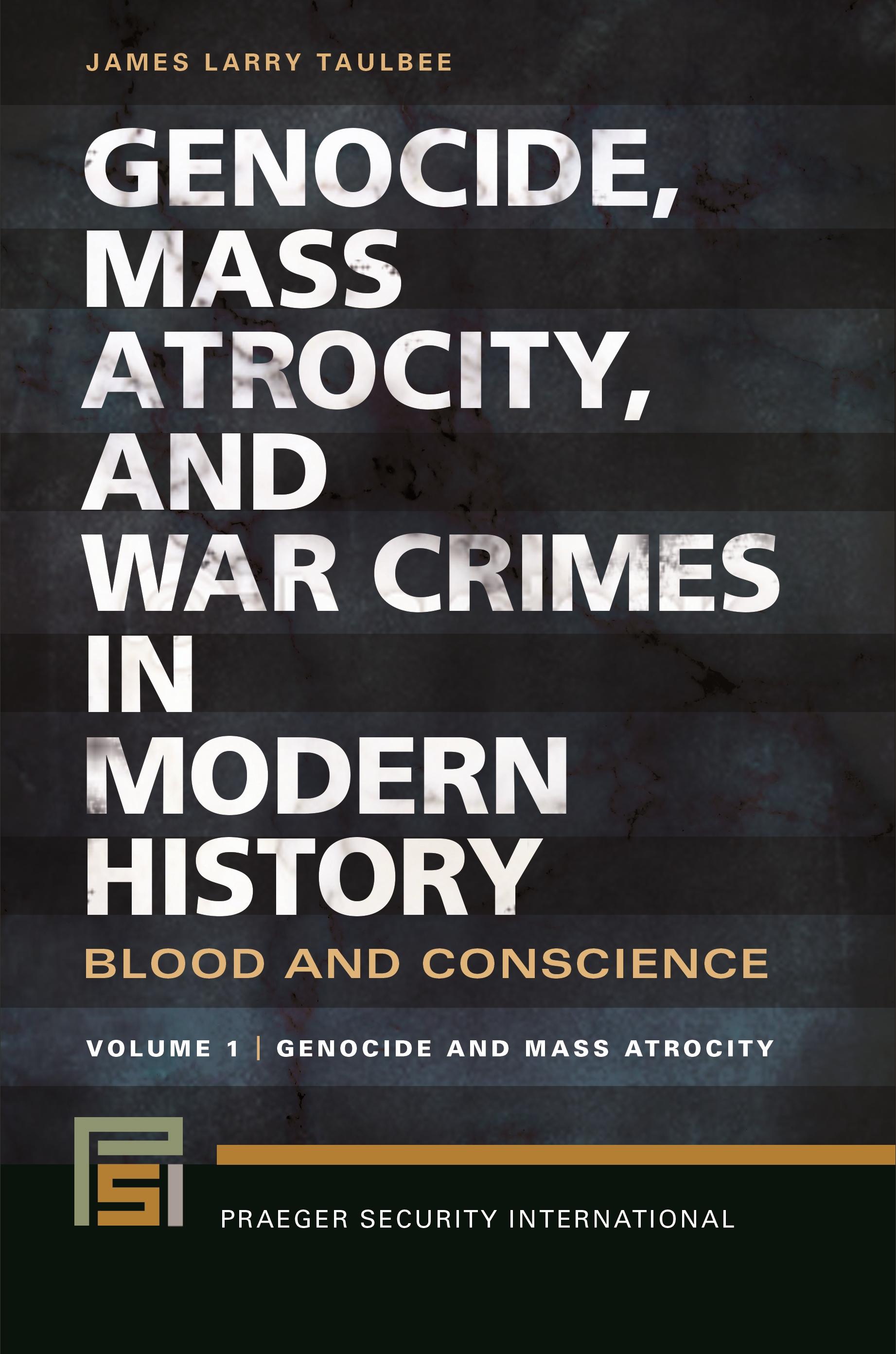
Defining "genocide" as an international crime, this two-volume set provides a comparative study of historical cases of genocide and mass atrocity—clearly identifying the factors that produced the attitudes and behaviors that led to them—discusses the reasons for rules in war, and examines how the five principles laid out in the Geneva Conventions and other international agreements have functioned in modern warfare.
Written by an expert on international politics and law, Genocide, Mass Atrocity, and War Crimes in Modern History: Blood and Conscience is an easy-to-understand resource that explains why genocides and other atrocities occur, why humanity saw the need to create rules that apply during war, and how culture, rules about war, and the nature of war intersect.
The first volume addresses the history and development of the normative regime(s) that define genocide and mass atrocity. Through a comparative study of historical cases that pay particular attention to the factors involved in producing the attitudes and behaviors that led to the incidents of mass slaughter and mistreatment, the author identifies the reasons that genocides and mass atrocities in the 20th century were largely ignored until the early 1990s and why even starting then, responses were inconsistent.
The second book discusses why rules in war exist, which factors may lead to the adoption of rules, what defines a war "crime," and how the five fundamental principles laid out in the Geneva Conventions and other international agreements have actually functioned in modern warfare. It also poses—and answers—the interesting question of why we should obey rules when our opponents do not. The final chapter examines what actions could serve to identify future situations in which mass atrocities may occur and identifies the problems of timely humanitarian intervention in international affairs.
Written by an expert on international politics and law, Genocide, Mass Atrocity, and War Crimes in Modern History: Blood and Conscience is an easy-to-understand resource that explains why genocides and other atrocities occur, why humanity saw the need to create rules that apply during war, and how culture, rules about war, and the nature of war intersect.
The first volume addresses the history and development of the normative regime(s) that define genocide and mass atrocity. Through a comparative study of historical cases that pay particular attention to the factors involved in producing the attitudes and behaviors that led to the incidents of mass slaughter and mistreatment, the author identifies the reasons that genocides and mass atrocities in the 20th century were largely ignored until the early 1990s and why even starting then, responses were inconsistent.
The second book discusses why rules in war exist, which factors may lead to the adoption of rules, what defines a war "crime," and how the five fundamental principles laid out in the Geneva Conventions and other international agreements have actually functioned in modern warfare. It also poses—and answers—the interesting question of why we should obey rules when our opponents do not. The final chapter examines what actions could serve to identify future situations in which mass atrocities may occur and identifies the problems of timely humanitarian intervention in international affairs.
Betal nemt med kort, Klarna, Apple Pay eller Google Pay. Ikke tilfreds? Du har altid 14 dages fortrydelsesret. Læs mere i vores vilkår. Har du spørgsmål, så send os en mail på hello@memmo.org.
Memmo gør det nemmere at studere – uanset hvor du er i verden. Hos os samler du dine kursusbøger og smarte studieværktøjer ét sted: resuméer, quizzer, podcasts og flashcards. Og så er der Ted, din studieven, der svarer på alt, du undrer dig over. Over 50 000 studerende studerer allerede her – bygget til at hjælpe dig med at lære hurtigere og stresse mindre.