
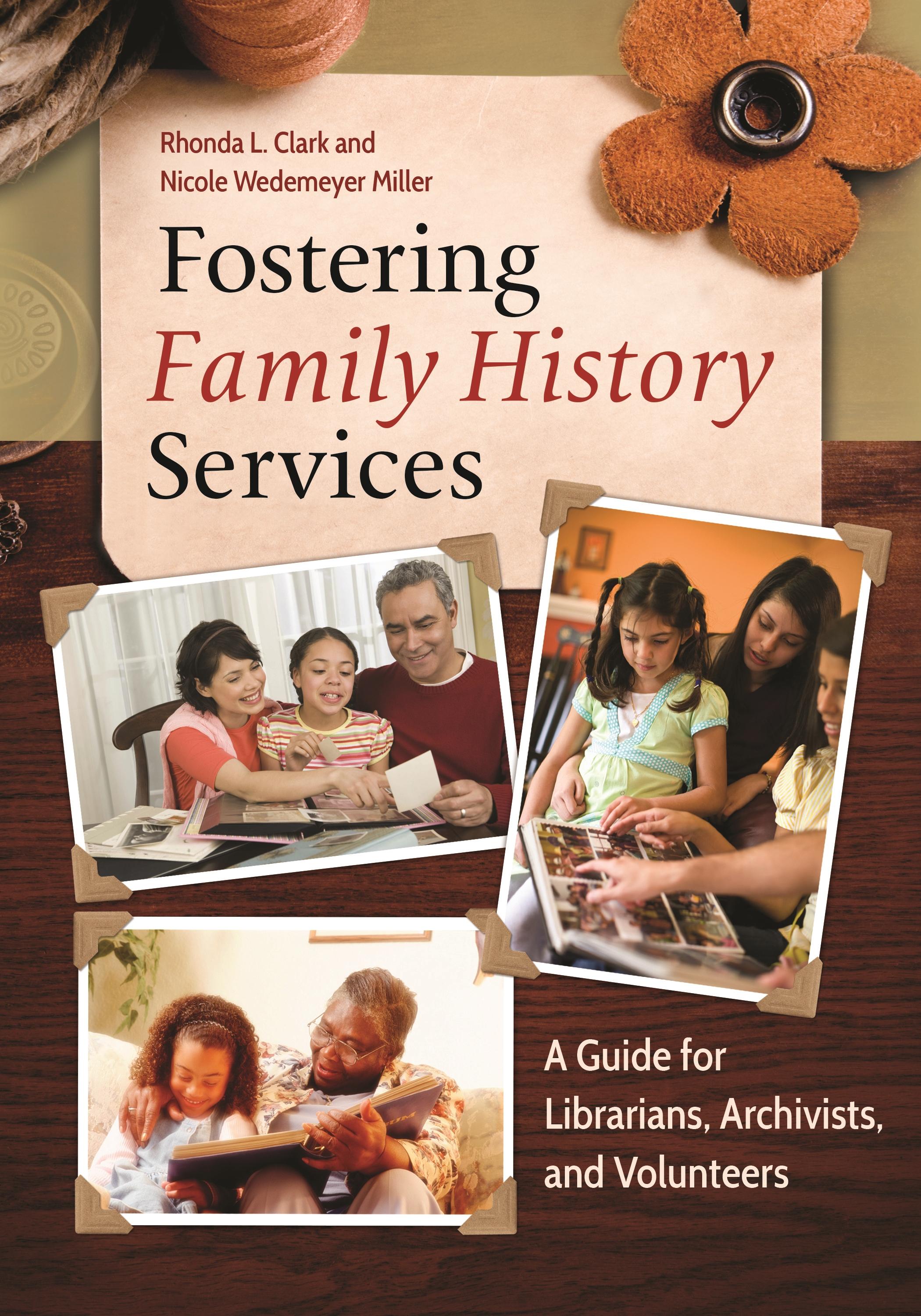
Here is everything you need to promote your library as a center for genealogical study by leveraging your collection to help patrons conduct research on ancestors, document family stories, and archive family heirlooms.
Websites, social media, and the Internet have made research on family history accessible. Your library can tap into the popularity of the do-it-yourself genealogy movement by promoting your role as both a preserver of local community history as well as a source for helping your patrons archive what's important to their family. This professional guide will teach you how to integrate family history programming into your educational outreach tools and services to the community.
The book is divided into three sections: the first introduces methods for creating a program to help your clients trace their roots; the second provides library science instruction in reference and planning for local collections; and the third part focuses on the use of specific types of resources in local collections. Additional information features methods for preserving photographs, letters, diaries, documents, memorabilia, and ephemera. The text also includes bibliographies, appendices, checklists, and links to online aids to further assist with valuating and organizing important family mementos.
Websites, social media, and the Internet have made research on family history accessible. Your library can tap into the popularity of the do-it-yourself genealogy movement by promoting your role as both a preserver of local community history as well as a source for helping your patrons archive what's important to their family. This professional guide will teach you how to integrate family history programming into your educational outreach tools and services to the community.
The book is divided into three sections: the first introduces methods for creating a program to help your clients trace their roots; the second provides library science instruction in reference and planning for local collections; and the third part focuses on the use of specific types of resources in local collections. Additional information features methods for preserving photographs, letters, diaries, documents, memorabilia, and ephemera. The text also includes bibliographies, appendices, checklists, and links to online aids to further assist with valuating and organizing important family mementos.
Betal nemt med kort, Klarna, Apple Pay eller Google Pay. Ikke tilfreds? Du har altid 14 dages fortrydelsesret. Læs mere i vores vilkår. Har du spørgsmål, så send os en mail på hello@memmo.org.
Memmo gør det nemmere at studere – uanset hvor du er i verden. Hos os samler du dine kursusbøger og smarte studieværktøjer ét sted: resuméer, quizzer, podcasts og flashcards. Og så er der Ted, din studieven, der svarer på alt, du undrer dig over. Over 50 000 studerende studerer allerede her – bygget til at hjælpe dig med at lære hurtigere og stresse mindre.