
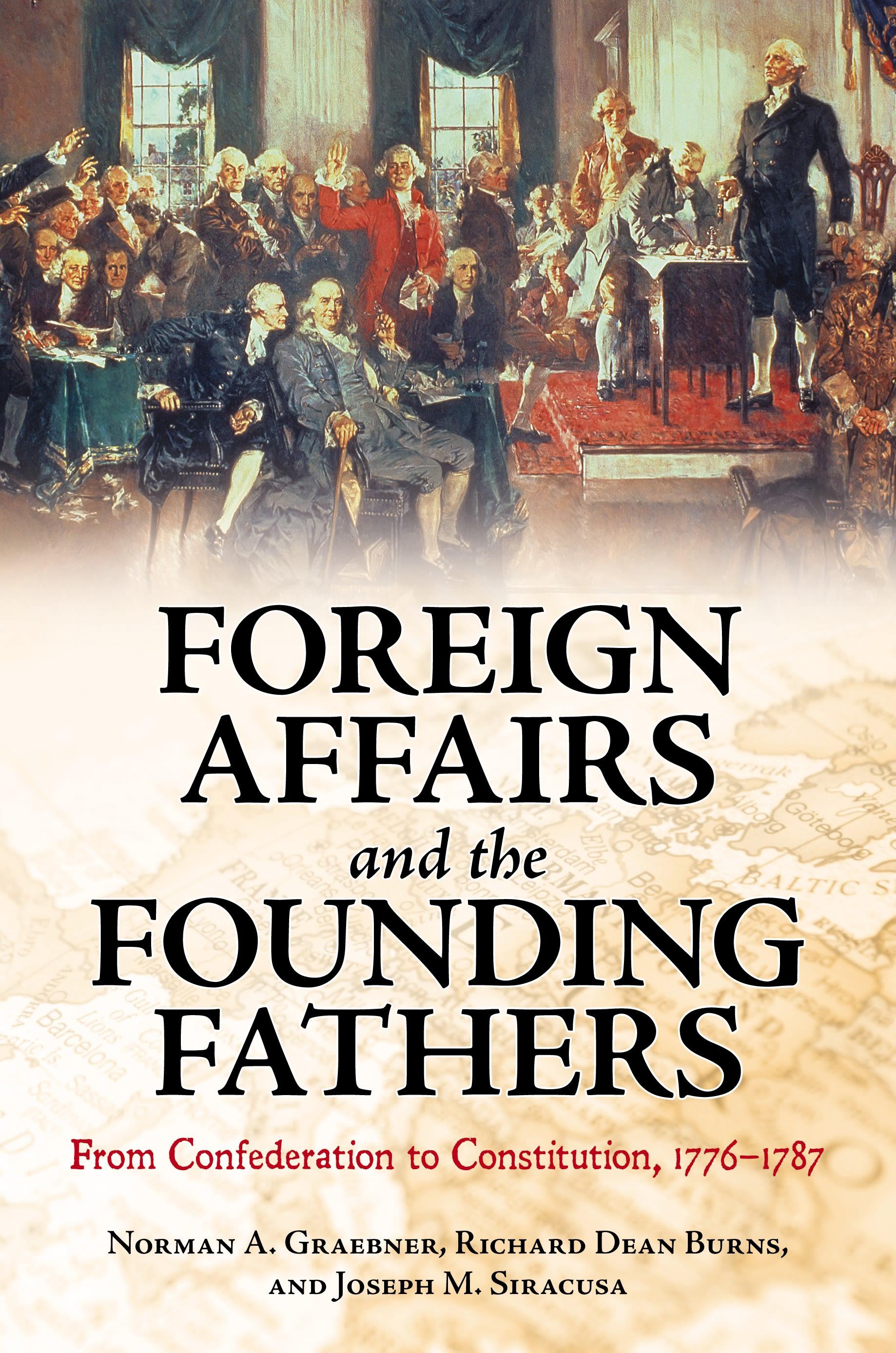
This concise diplomatic history of the Confederation era is the first new work on the topic in a generation. In its pages, three distinguished diplomatic historians offer a realist interpretation of the way in which the Founding Fathers conducted foreign affairs, refreshing our collective memory about their priorities and their values.
When three of the nation's leading historians come together to fashion a fresh study of American history, the resulting work cannot help but be a monumental addition to the field. Foreign Affairs and the Founding Fathers: From Confederation to Constitution, 1776–1787 is such a work. These eminent scholars provide a thoughtful, realist interpretation of the Founders' view of America's place in the world, delivering a timely reassessment of their aspirations, thoughts, and actions during the seminal decades of the American nation.
This book takes readers backstage where they can eavesdrop on the Founders to better understand their motives and intentions and see how they responded to threats and problems associated with America's place in the world. Arguing that the Founding Fathers essentially thought and acted in terms of power—ranking matters of national interest and security over ideology and moral concerns—the book sheds new light on the foreign policy opportunities and challenges of the day, as the Founders weighed and determined them. In so doing, it offers important guideposts for our own time.
When three of the nation's leading historians come together to fashion a fresh study of American history, the resulting work cannot help but be a monumental addition to the field. Foreign Affairs and the Founding Fathers: From Confederation to Constitution, 1776–1787 is such a work. These eminent scholars provide a thoughtful, realist interpretation of the Founders' view of America's place in the world, delivering a timely reassessment of their aspirations, thoughts, and actions during the seminal decades of the American nation.
This book takes readers backstage where they can eavesdrop on the Founders to better understand their motives and intentions and see how they responded to threats and problems associated with America's place in the world. Arguing that the Founding Fathers essentially thought and acted in terms of power—ranking matters of national interest and security over ideology and moral concerns—the book sheds new light on the foreign policy opportunities and challenges of the day, as the Founders weighed and determined them. In so doing, it offers important guideposts for our own time.
Betal nemt med kort, Klarna, Apple Pay eller Google Pay. Ikke tilfreds? Du har altid 14 dages fortrydelsesret. Læs mere i vores vilkår. Har du spørgsmål, så send os en mail på hello@memmo.org.
Memmo gør det nemmere at studere – uanset hvor du er i verden. Hos os samler du dine kursusbøger og smarte studieværktøjer ét sted: resuméer, quizzer, podcasts og flashcards. Og så er der Ted, din studieven, der svarer på alt, du undrer dig over. Over 50 000 studerende studerer allerede her – bygget til at hjælpe dig med at lære hurtigere og stresse mindre.