
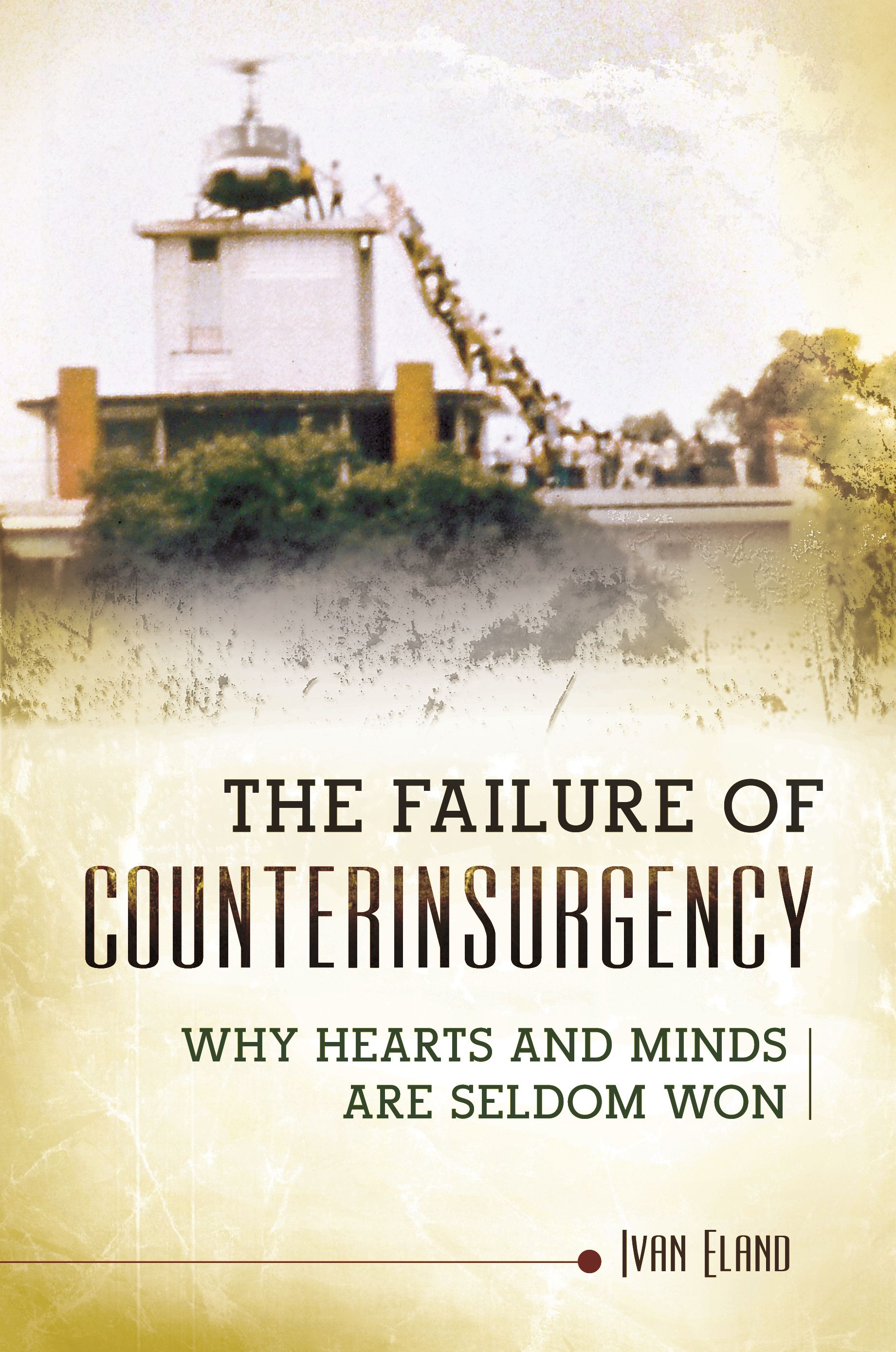
This book examines the implications of counterinsurgency warfare for U.S. defense policy and makes the compelling argument that the United States' default position on counterinsurgency wars should be to avoid them.
Given the unsatisfactory outcomes of the counterinsurgency (COIN) wars in Afghanistan and Iraq, the U.S. military is now in a heated debate over whether wars involving COIN operations are worth fighting. This book provides a comprehensive analysis of the effectiveness of COIN through key historic episodes and concludes that the answer is an emphatic "no," based on a dominant record of U.S. military or political failure, and inconsistency in the reasons for the rare cases of success. The author also examines the implications of his findings for U.S. foreign policy, defense policy, and future weapons procurement.
Given the unsatisfactory outcomes of the counterinsurgency (COIN) wars in Afghanistan and Iraq, the U.S. military is now in a heated debate over whether wars involving COIN operations are worth fighting. This book provides a comprehensive analysis of the effectiveness of COIN through key historic episodes and concludes that the answer is an emphatic "no," based on a dominant record of U.S. military or political failure, and inconsistency in the reasons for the rare cases of success. The author also examines the implications of his findings for U.S. foreign policy, defense policy, and future weapons procurement.
Betal nemt med kort, Klarna, Apple Pay eller Google Pay. Ikke tilfreds? Du har altid 14 dages fortrydelsesret. Læs mere i vores vilkår. Har du spørgsmål, så send os en mail på hello@memmo.org.
Memmo gør det nemmere at studere – uanset hvor du er i verden. Hos os samler du dine kursusbøger og smarte studieværktøjer ét sted: resuméer, quizzer, podcasts og flashcards. Og så er der Ted, din studieven, der svarer på alt, du undrer dig over. Over 50 000 studerende studerer allerede her – bygget til at hjælpe dig med at lære hurtigere og stresse mindre.