
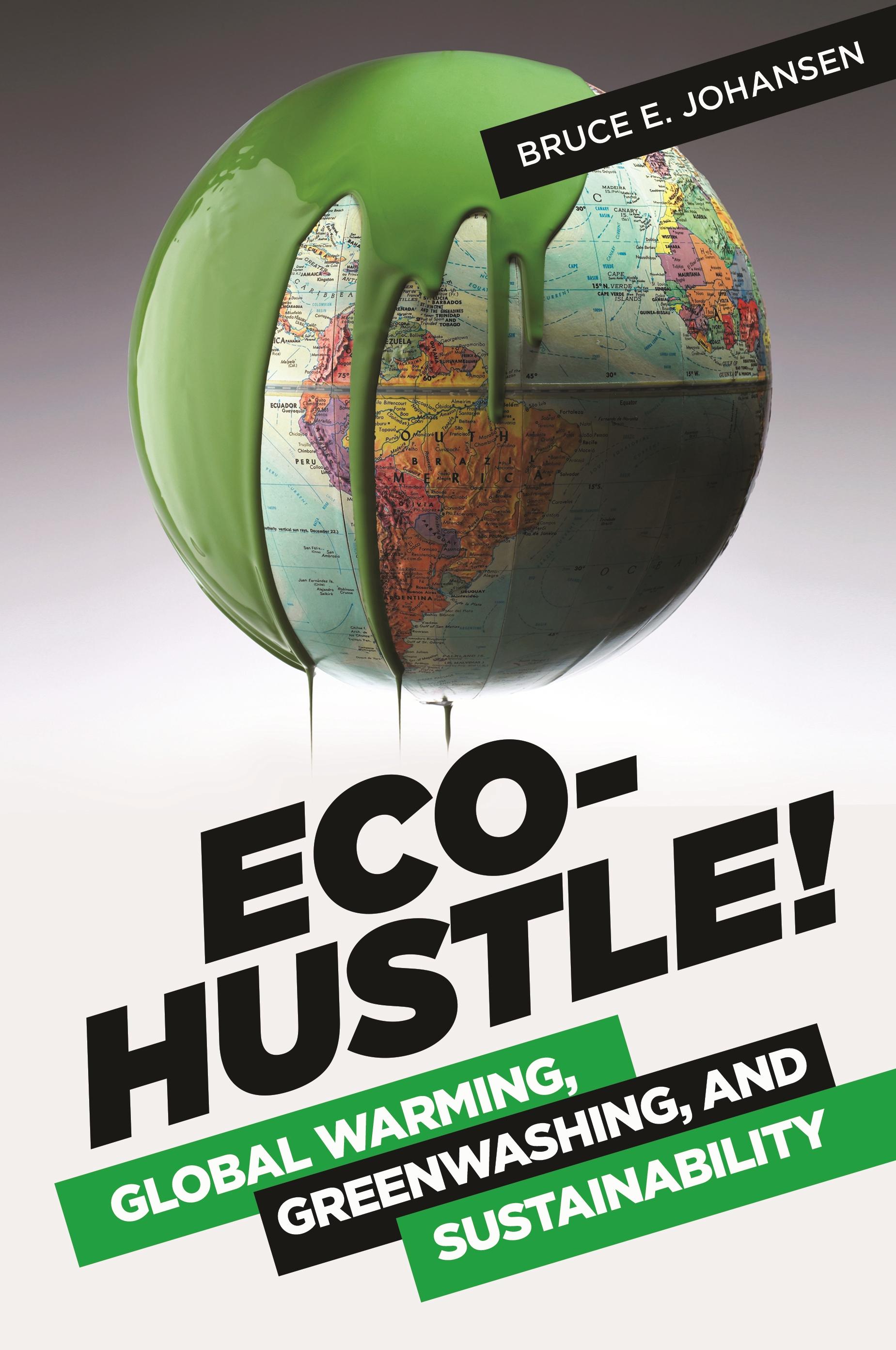
How many of our efforts to save the environment are effective? Learn how our system is simply masking the symptoms of global warming.
Climate change is more than just a buzzword. It is a reality that society and industry have failed to deal with effectively. "Greenwashing," a term that author Bruce E. Johansen defines as the "environmental sleight of hand" performed by technology and advertising, has us convinced that certain "green" practices are sustainable. In his book, Johansen examines the sanctioned activities and practices commonly touted as environmentally responsible and points out their failings. He explains why the global climate change problem is more urgent than many people think, and provides real-world examples of companies that are taking measures with genuine benefits to the environment.
Presenting information relevant to every inhabitant of earth and that environmentalists, climate scientists, and students and educators in environmental studies will find essential reading, this book brings questions about legislation and economics to the forefront and asks whether today's system can support a true effort at sustainable living. It presents honest—and what some readers may find surprising—answers to inquiries into what is really "good for the environment," such as why corn ethanol may be worse for the atmosphere than oil and why coal capture and sequestration may be the worst "green" idea yet.
Climate change is more than just a buzzword. It is a reality that society and industry have failed to deal with effectively. "Greenwashing," a term that author Bruce E. Johansen defines as the "environmental sleight of hand" performed by technology and advertising, has us convinced that certain "green" practices are sustainable. In his book, Johansen examines the sanctioned activities and practices commonly touted as environmentally responsible and points out their failings. He explains why the global climate change problem is more urgent than many people think, and provides real-world examples of companies that are taking measures with genuine benefits to the environment.
Presenting information relevant to every inhabitant of earth and that environmentalists, climate scientists, and students and educators in environmental studies will find essential reading, this book brings questions about legislation and economics to the forefront and asks whether today's system can support a true effort at sustainable living. It presents honest—and what some readers may find surprising—answers to inquiries into what is really "good for the environment," such as why corn ethanol may be worse for the atmosphere than oil and why coal capture and sequestration may be the worst "green" idea yet.
Betal nemt med kort, Klarna, Apple Pay eller Google Pay. Ikke tilfreds? Du har altid 14 dages fortrydelsesret. Læs mere i vores vilkår. Har du spørgsmål, så send os en mail på hello@memmo.org.
Memmo gør det nemmere at studere – uanset hvor du er i verden. Hos os samler du dine kursusbøger og smarte studieværktøjer ét sted: resuméer, quizzer, podcasts og flashcards. Og så er der Ted, din studieven, der svarer på alt, du undrer dig over. Over 50 000 studerende studerer allerede her – bygget til at hjælpe dig med at lære hurtigere og stresse mindre.