
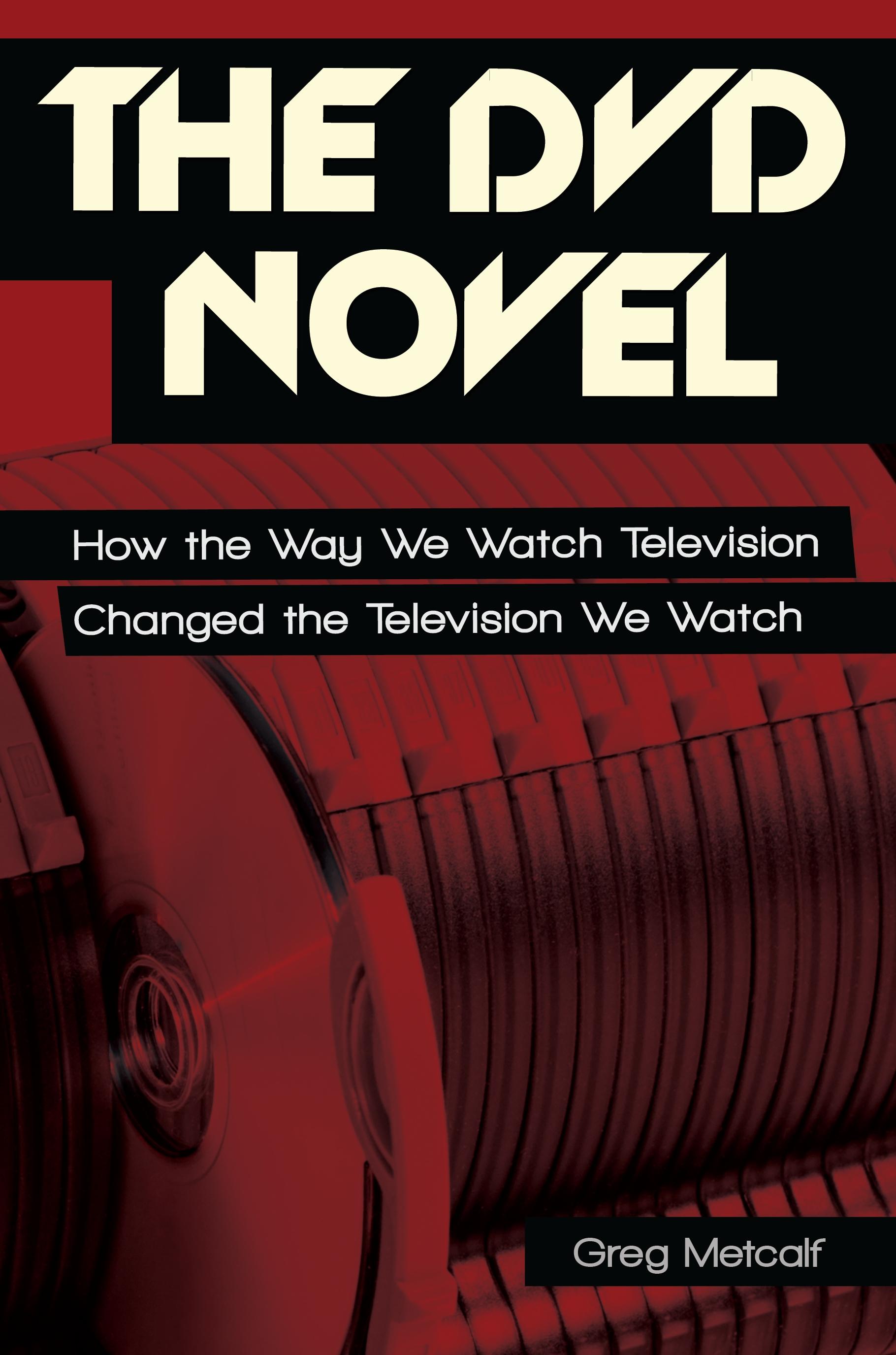
Now that television shows can live forever as DVD sets, the stories they can tell have changed; television episodes are now crafted as chapters in a season-long novel instead of free-standing stories. This book examines how this significant shift in storytelling occurred.
In 1981, NBC's Hill Street Blues combined the cop show and the soap opera to set the model for primetime serial storytelling, which is evident in The Sopranos, The Wire, and Breaking Bad. In 1963, ABC's The Fugitive showed how an anthology series could tell a continuing tale, influencing The X-Files, House, and Fringe. In 1987, NBC's The Days and Nights of Molly Dodd changed the situation comedy into attitudinal comedy, leading to Weeds, Nurse Jackie, and Entourage. The DVD Novel: How the Way We Watch Television Changed the Television We Watch not only examines how American television shows changed, but also what television artists have been able to create.
The book provides an alternate history of American television that compares it to British television, and explains the influence of Dennis Potter's The Singing Detective on the development of long-form television and the evolution of drama shows and sitcoms. The work considers a wide range of network and cable television shows, paying special attention to the work of Steven Bochco, David Milch, and David Simon, and spotlighting the influence of graphic novels and literary novels in changing television.
In 1981, NBC's Hill Street Blues combined the cop show and the soap opera to set the model for primetime serial storytelling, which is evident in The Sopranos, The Wire, and Breaking Bad. In 1963, ABC's The Fugitive showed how an anthology series could tell a continuing tale, influencing The X-Files, House, and Fringe. In 1987, NBC's The Days and Nights of Molly Dodd changed the situation comedy into attitudinal comedy, leading to Weeds, Nurse Jackie, and Entourage. The DVD Novel: How the Way We Watch Television Changed the Television We Watch not only examines how American television shows changed, but also what television artists have been able to create.
The book provides an alternate history of American television that compares it to British television, and explains the influence of Dennis Potter's The Singing Detective on the development of long-form television and the evolution of drama shows and sitcoms. The work considers a wide range of network and cable television shows, paying special attention to the work of Steven Bochco, David Milch, and David Simon, and spotlighting the influence of graphic novels and literary novels in changing television.
Sider: 256
Kategori: Film- & Medievetenskap
e-ISBN: 9798216076544
Forsendelsesvægt: 1.2 kg
Sendes inden for: 1-2 dage
Betal nemt med kort, Klarna, Apple Pay eller Google Pay. Ikke tilfreds? Du har altid 14 dages fortrydelsesret. Læs mere i vores vilkår. Har du spørgsmål, så send os en mail på hello@memmo.org.
Memmo gør det nemmere at studere – uanset hvor du er i verden. Hos os samler du dine kursusbøger og smarte studieværktøjer ét sted: resuméer, quizzer, podcasts og flashcards. Og så er der Ted, din studieven, der svarer på alt, du undrer dig over. Over 50 000 studerende studerer allerede her – bygget til at hjælpe dig med at lære hurtigere og stresse mindre.