
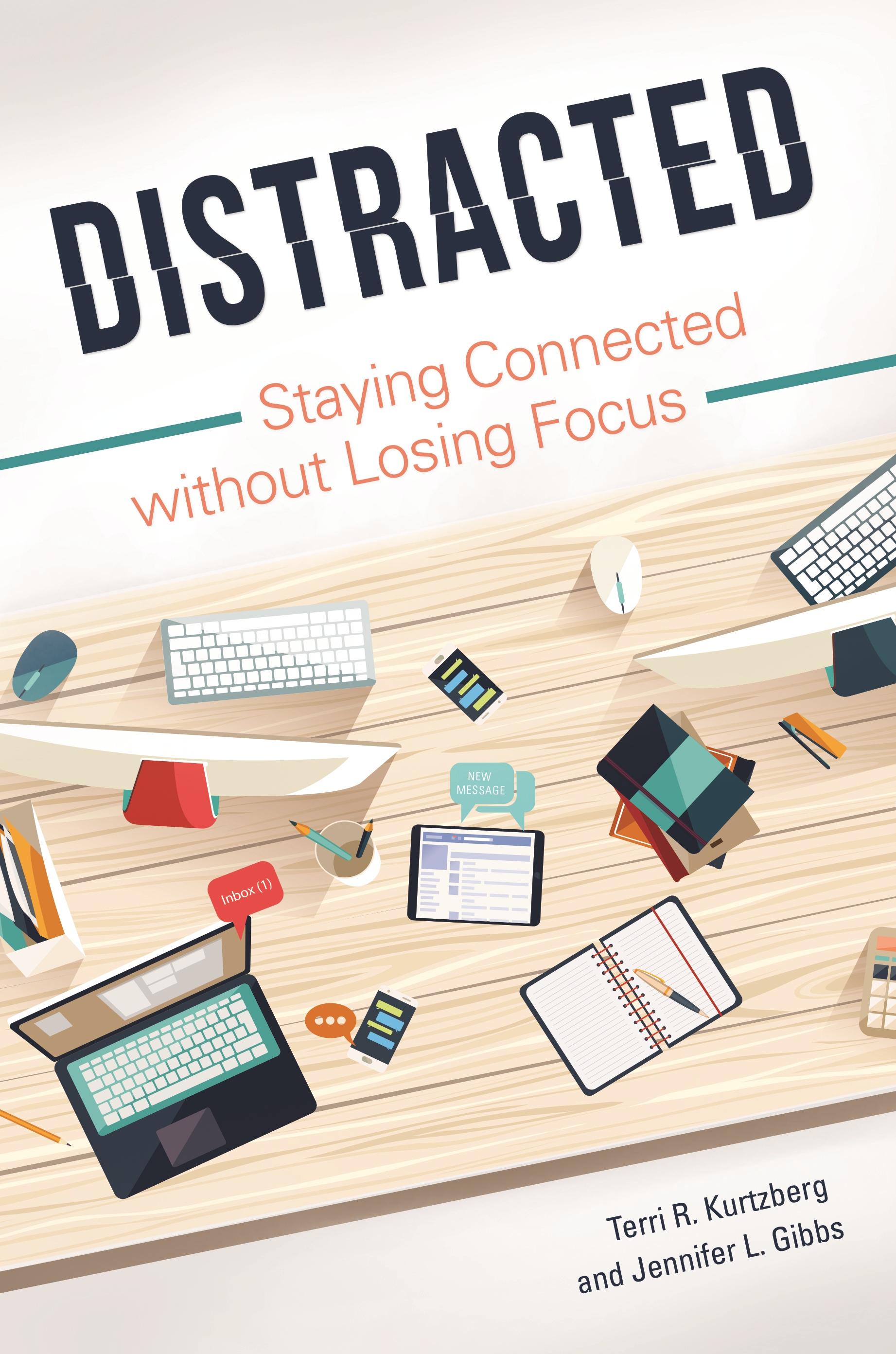
What are the benefits and negative consequences of our increased connectivity at school, at work, and at home? Is being constantly distracted now a worldwide problem? This book examines how new technologies and social pressures have changed the way we use our attention, and the extent to which they drive us to distraction, by interpreting hundreds of scientific studies from the literatures in cognitive and social psychology, sociology, communication, management, and decision making.
While distraction is ever-present in daily life, staying connected in an efficient way is the goal for one and all. To accomplish that, some amount of fine-tuning of typical interactions with technology is in order. Nearly everyone recognizes the addictive nature of constant connectivity—and its destructive effect on productivity and quality of work. But the availability of technology also promotes better engagement, control, and flexibility in both professional and personal settings. An in-depth analysis of these tradeoffs can lead to smarter choices about when and how to be connected throughout the day and across settings. The ultimate objective is to have technology enhance our lives without serving as a source of constant distraction.
Distracted: Staying Connected without Losing Focus explains the nuances of what this addiction stems from—considering both societal and technological factors—and identifies both the invaluable opportunities and the counterproductive consequences of living in our technology-enabled, instant-access-to-everything world. The chapters examine a wide swath of scientific research to expose how technology use affects our attention and the extent to which it causes distraction. Authors Terri Kurtzberg and Jennifer Gibbs apply the science of human attention to reveal how specific areas of our lives are significantly changed with the advent of "continuous connectedness," including in the workplace, in personal relationships, in childhood development, and with regard to education and learning. Readers will clearly understand why multitasking fails us, what the consequences are—to ourselves and those around us—of being focused on a screen for much of the day, and how each of us can adjust our use of technology in order to improve our lives.
While distraction is ever-present in daily life, staying connected in an efficient way is the goal for one and all. To accomplish that, some amount of fine-tuning of typical interactions with technology is in order. Nearly everyone recognizes the addictive nature of constant connectivity—and its destructive effect on productivity and quality of work. But the availability of technology also promotes better engagement, control, and flexibility in both professional and personal settings. An in-depth analysis of these tradeoffs can lead to smarter choices about when and how to be connected throughout the day and across settings. The ultimate objective is to have technology enhance our lives without serving as a source of constant distraction.
Distracted: Staying Connected without Losing Focus explains the nuances of what this addiction stems from—considering both societal and technological factors—and identifies both the invaluable opportunities and the counterproductive consequences of living in our technology-enabled, instant-access-to-everything world. The chapters examine a wide swath of scientific research to expose how technology use affects our attention and the extent to which it causes distraction. Authors Terri Kurtzberg and Jennifer Gibbs apply the science of human attention to reveal how specific areas of our lives are significantly changed with the advent of "continuous connectedness," including in the workplace, in personal relationships, in childhood development, and with regard to education and learning. Readers will clearly understand why multitasking fails us, what the consequences are—to ourselves and those around us—of being focused on a screen for much of the day, and how each of us can adjust our use of technology in order to improve our lives.
Betal nemt med kort, Klarna, Apple Pay eller Google Pay. Ikke tilfreds? Du har altid 14 dages fortrydelsesret. Læs mere i vores vilkår. Har du spørgsmål, så send os en mail på hello@memmo.org.
Memmo gør det nemmere at studere – uanset hvor du er i verden. Hos os samler du dine kursusbøger og smarte studieværktøjer ét sted: resuméer, quizzer, podcasts og flashcards. Og så er der Ted, din studieven, der svarer på alt, du undrer dig over. Over 50 000 studerende studerer allerede her – bygget til at hjælpe dig med at lære hurtigere og stresse mindre.