
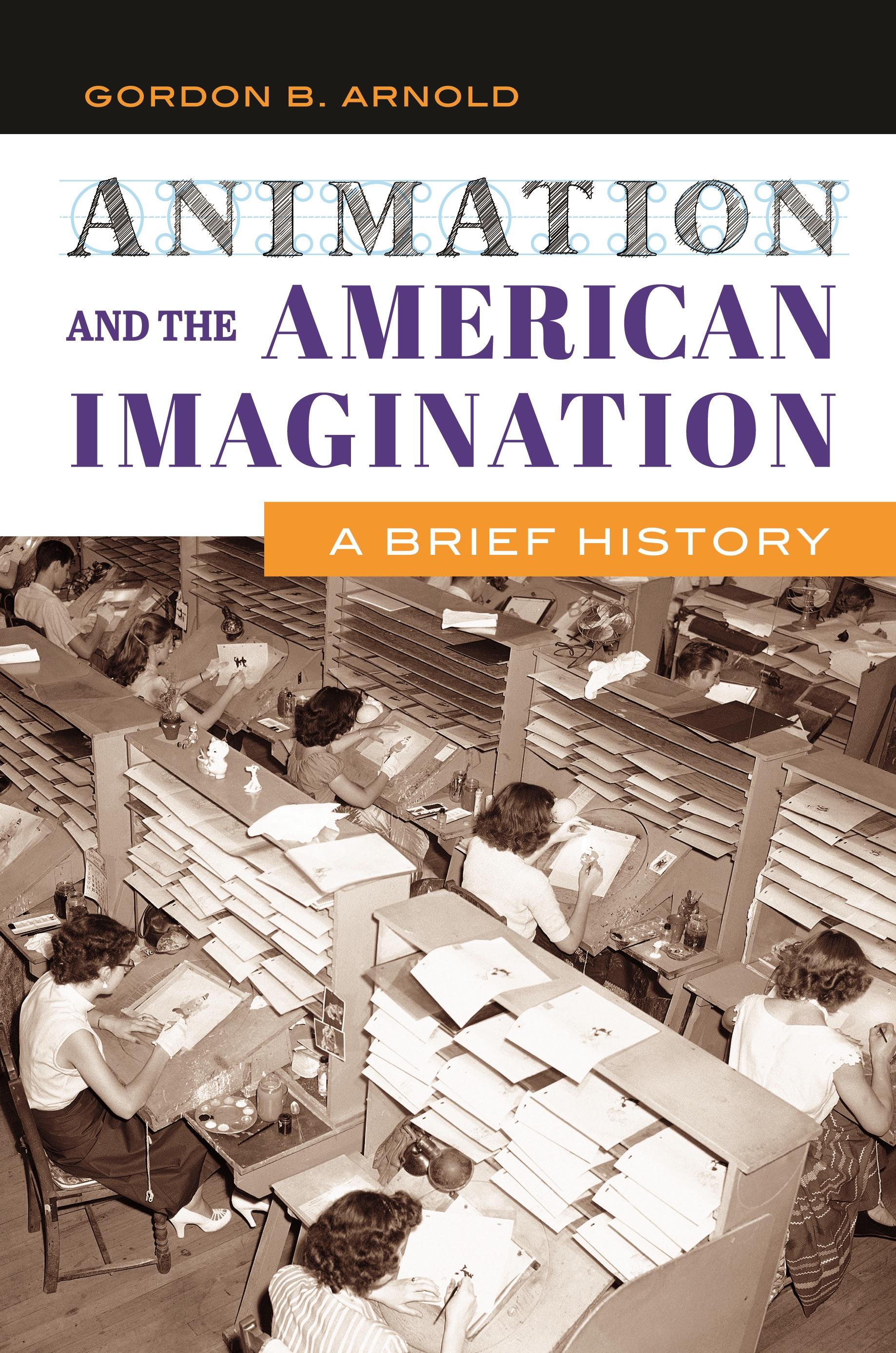
Providing a detailed historical overview of animated film and television in the United States over more than a century, this book examines animation within the U.S. film and television industry as well as in the broader sociocultural context.
From the early 1900s onwards, animated cartoons have always had a wide, enthusiastic audience. Not only did viewers delight in seeing drawn images come to life, tell fantastic stories, and depict impossible gags, but animation artists also relished working in a visual art form largely free from the constraints of the real world. This book takes a fresh look at the big picture of U.S. animation, both on and behind the screen. It reveals a range of fascinating animated cartoons and the colorful personalities, technological innovations, cultural influences and political agendas, and shifting audience expectations that shaped not only what appeared on screen but also how audiences reacted to thousands of productions.
Animation and the American Imagination: A Brief History presents a concise, unified picture that brings together divergent strands of the story so readers can make sense of the flow of animation history in the United States. The book emphasizes the overall shape of animation history by identifying how key developments emerged from what came before and from the culture at large. It covers the major persons and studios of the various eras; identifies important social factors, including the Great Depression, World War II, the counterculture of the 1960s and 1970s, and the struggles for civil rights and women's rights; addresses the critical role of technological and aesthetic changes; and discusses major works of animation and the responses to them.
From the early 1900s onwards, animated cartoons have always had a wide, enthusiastic audience. Not only did viewers delight in seeing drawn images come to life, tell fantastic stories, and depict impossible gags, but animation artists also relished working in a visual art form largely free from the constraints of the real world. This book takes a fresh look at the big picture of U.S. animation, both on and behind the screen. It reveals a range of fascinating animated cartoons and the colorful personalities, technological innovations, cultural influences and political agendas, and shifting audience expectations that shaped not only what appeared on screen but also how audiences reacted to thousands of productions.
Animation and the American Imagination: A Brief History presents a concise, unified picture that brings together divergent strands of the story so readers can make sense of the flow of animation history in the United States. The book emphasizes the overall shape of animation history by identifying how key developments emerged from what came before and from the culture at large. It covers the major persons and studios of the various eras; identifies important social factors, including the Great Depression, World War II, the counterculture of the 1960s and 1970s, and the struggles for civil rights and women's rights; addresses the critical role of technological and aesthetic changes; and discusses major works of animation and the responses to them.
Betal nemt med kort, Klarna, Apple Pay eller Google Pay. Ikke tilfreds? Du har altid 14 dages fortrydelsesret. Læs mere i vores vilkår. Har du spørgsmål, så send os en mail på hello@memmo.org.
Memmo gør det nemmere at studere – uanset hvor du er i verden. Hos os samler du dine kursusbøger og smarte studieværktøjer ét sted: resuméer, quizzer, podcasts og flashcards. Og så er der Ted, din studieven, der svarer på alt, du undrer dig over. Over 50 000 studerende studerer allerede her – bygget til at hjælpe dig med at lære hurtigere og stresse mindre.