
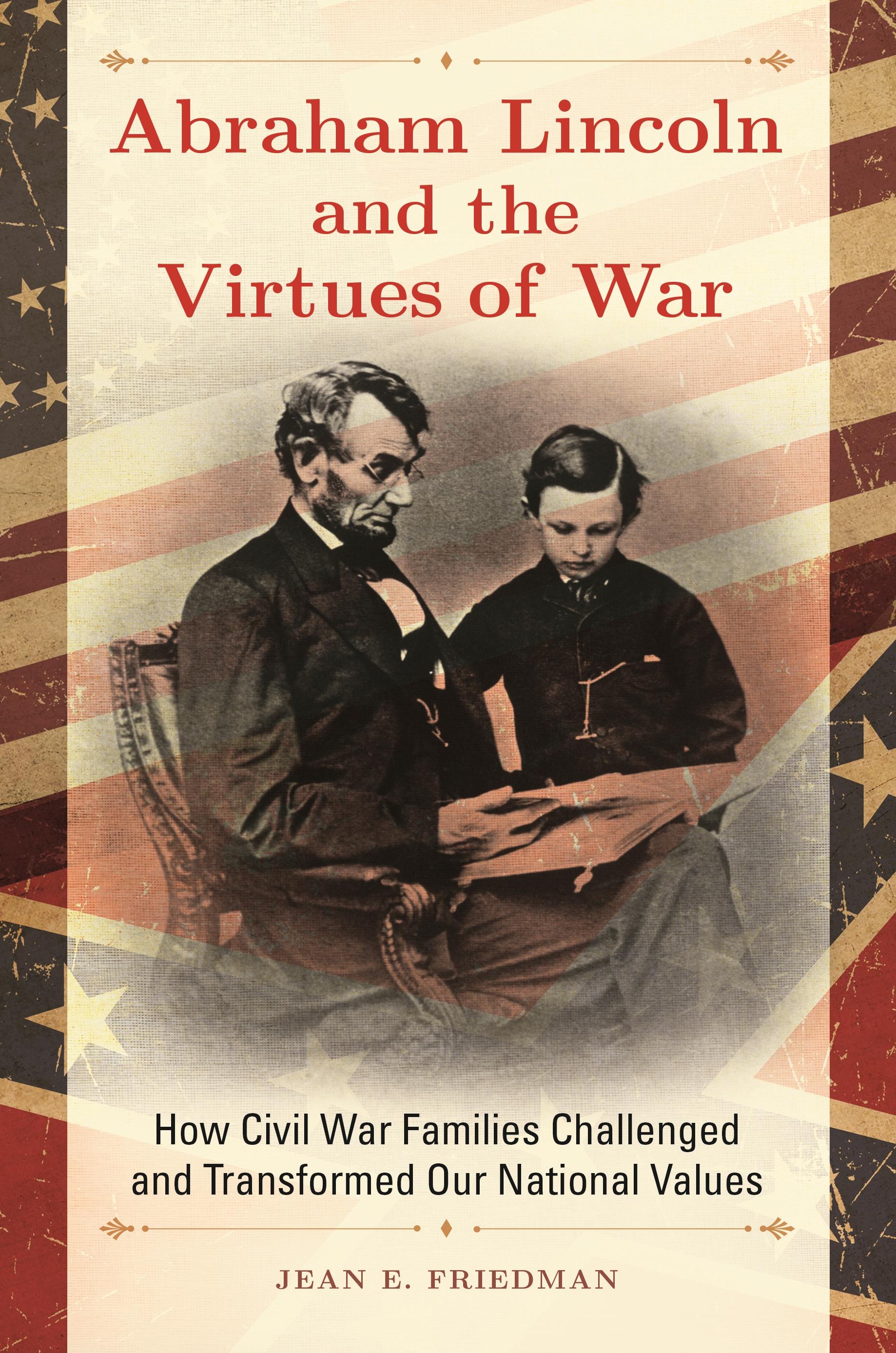
This study introduces a new perspective on Lincoln and the Civil War through an examination of his declaration of our national values and the subsequent interpretation of those values by families during the war.
This volume is a completely new approach to Civil War history. Historians rightly regard Abraham Lincoln as a moral exemplar, a president who gave new life to the national values that defined America. While some previous studies attest to Lincoln's identification with family virtues, this is the first to link Lincoln's personal biography with actual histories of families at war. It analyzes the relationship that existed between Lincoln and these families and assesses the moral struggles that validated the families' decision for or against the conflict.
Written to be accessible to students and the general reader alike, the book examines Lincoln's presidency as measured against the stories of families, North and South, that struggled with his definition of Union virtues. It looks at Lincoln's compelling case for democratic values—among them, justice, patriotism, honor, and commitment—first stated in his 1861 speech before Independence Hall. The work also uses case studies to demonstrate how virtue, as practiced in families, illuminated, contested, adapted, and even transformed his concept, giving new meaning to the "virtues of war."
This volume is a completely new approach to Civil War history. Historians rightly regard Abraham Lincoln as a moral exemplar, a president who gave new life to the national values that defined America. While some previous studies attest to Lincoln's identification with family virtues, this is the first to link Lincoln's personal biography with actual histories of families at war. It analyzes the relationship that existed between Lincoln and these families and assesses the moral struggles that validated the families' decision for or against the conflict.
Written to be accessible to students and the general reader alike, the book examines Lincoln's presidency as measured against the stories of families, North and South, that struggled with his definition of Union virtues. It looks at Lincoln's compelling case for democratic values—among them, justice, patriotism, honor, and commitment—first stated in his 1861 speech before Independence Hall. The work also uses case studies to demonstrate how virtue, as practiced in families, illuminated, contested, adapted, and even transformed his concept, giving new meaning to the "virtues of war."
Betal nemt med kort, Klarna, Apple Pay eller Google Pay. Ikke tilfreds? Du har altid 14 dages fortrydelsesret. Læs mere i vores vilkår. Har du spørgsmål, så send os en mail på hello@memmo.org.
Memmo gør det nemmere at studere – uanset hvor du er i verden. Hos os samler du dine kursusbøger og smarte studieværktøjer ét sted: resuméer, quizzer, podcasts og flashcards. Og så er der Ted, din studieven, der svarer på alt, du undrer dig over. Over 50 000 studerende studerer allerede her – bygget til at hjælpe dig med at lære hurtigere og stresse mindre.